The Monthly Bill Shrinking Act: How Green Fixtures Turn Bathrooms Into Savings Machines
Renters watching utility bills climb month after month often feel powerless to change their financial trajectory. Yet bathroom renovation upgrades and strategic bathroom renovation investments focused on water efficiency create remarkable cost reductions that compound over years of occupancy. The fixtures controlling water flow in showers, sinks, and toilets represent low-hanging fruit for anyone seeking to trim monthly expenses without sacrificing comfort or convenience.
Think of water-efficient fixtures as the financial equivalent of autopilot savings accounts. Once installed, they work continuously in the background, trimming usage without requiring conscious behavior changes or ongoing effort. Unlike turning off lights or adjusting thermostats, which demand daily attention, efficient fixtures deliver savings automatically every single time water flows. This passive reduction approach particularly appeals to busy households where sustainable living upgrades need to function without adding mental load to already packed schedules.
Decoding the Flow Rate Revolution
Modern water fixtures achieve the seemingly impossible trick of using substantially less water while actually improving user experience. This counterintuitive reality stems from engineering advances that optimize water delivery rather than simply restricting flow. Aerators introduce air into water streams, creating fuller pressure sensation using fewer gallons. Pressure-compensating technology maintains consistent flow regardless of building water pressure fluctuations.
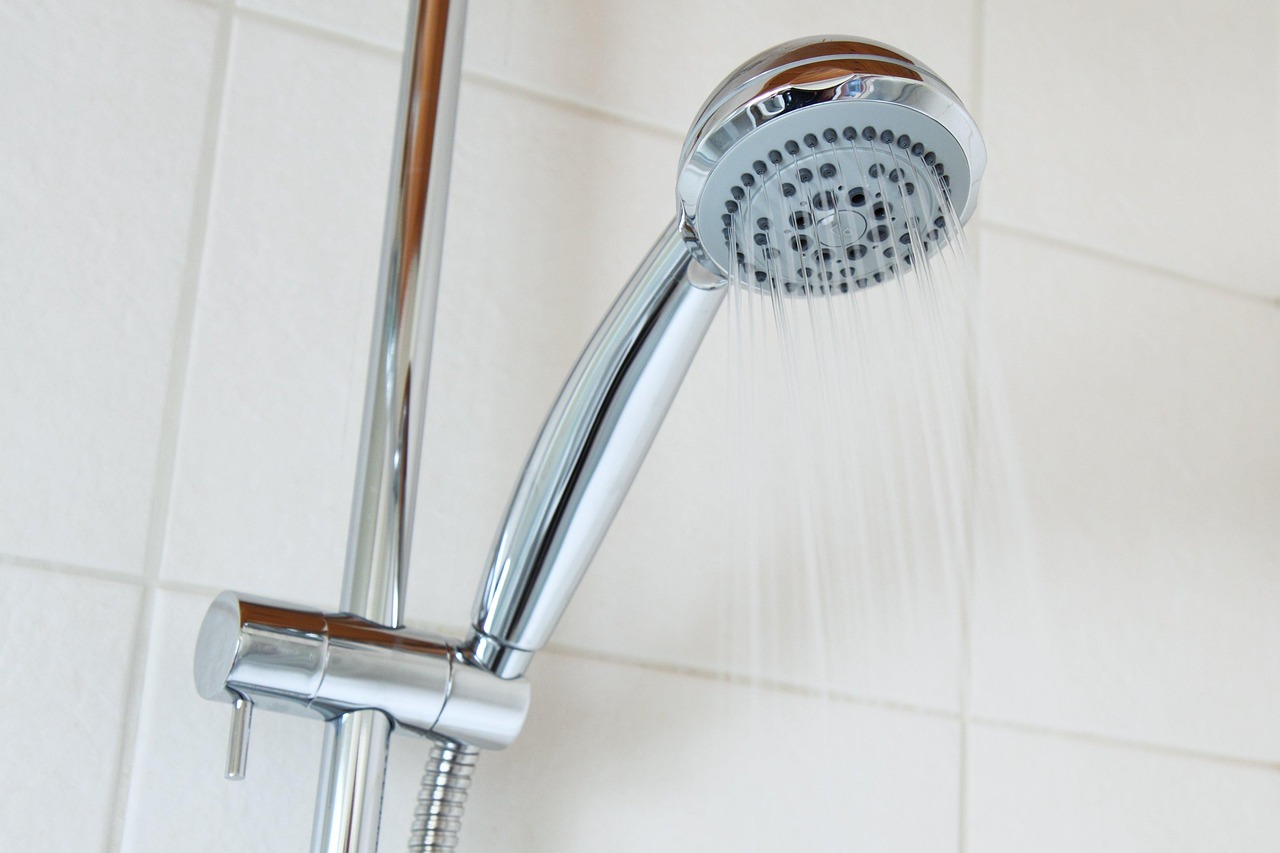
The numbers tell a compelling story. Standard showerheads deliver 2.5 gallons per minute, while efficient models achieve satisfying showers using just 1.5 to 2.0 gallons per minute. Over a year of daily showers, this difference translates to thousands of gallons and dozens of dollars per person. Multiply across household members and the savings accelerate dramatically without anyone noticing reduced performance.
The Toilet Economics Nobody Discusses
Toilets consume more household water than any other fixture, making them prime targets for efficiency improvements. Older models use 3.5 to 7 gallons per flush, while modern efficient toilets accomplish the same task using 1.28 gallons or less. The math becomes staggering when you consider average households flush 5 times daily per person.
Dual-flush technology adds another efficiency layer by offering different flush volumes for liquid versus solid waste. This customization eliminates the wasteful practice of using identical water volumes for vastly different requirements. The fixture technology advances enabling these savings have matured beyond early adoption phase into reliable, widely available options that genuinely deliver on performance promises.
Faucet Efficiency Beyond the Kitchen
Bathroom faucets represent another significant water consumption source, particularly in households with extended grooming routines. Standard faucets flow at 2.2 gallons per minute, while efficient aerators reduce this to 1.5 gallons or less without noticeably affecting hand washing, tooth brushing, or face washing effectiveness.
The beauty of faucet aerators lies in their installation simplicity and universal compatibility. Most screw directly onto existing faucet threads, requiring no tools or technical knowledge. This accessibility means even renters in properties where landlords handle major renovations can implement this efficiency upgrade independently, capturing immediate savings without permission or capital investment.
The Shower Experience Transformation
Contrary to popular assumption, water-efficient showerheads often improve shower quality compared to older, inefficient models. Pressure optimization, spray pattern engineering, and temperature consistency advancements mean modern efficient showerheads deliver superior experiences using less water. It's similar to how modern fuel-efficient vehicles often outperform older gas guzzlers despite consuming less fuel.
Some efficient showerheads incorporate pause functions allowing water flow interruption while maintaining temperature settings. This feature proves invaluable during soaping, shampooing, or shaving portions of showers where water serves no immediate purpose. The cumulative savings from these brief pauses compound substantially over months and years of daily use.
The Renter's Calculation
For apartment dwellers considering fixture upgrades, the economic equation balances upfront costs against monthly savings over anticipated occupancy duration. High-quality efficient fixtures typically pay for themselves within 12 to 24 months through reduced utility bills. Any occupancy extending beyond this breakeven point represents pure financial gain.
Additionally, landlords increasingly value tenants who demonstrate property care and efficiency consciousness. Proposing fixture upgrades that reduce utility costs while improving property value can strengthen lease negotiations or renewal conversations. Some progressive landlords even reimburse upgrade costs recognizing the long-term benefits to property efficiency and marketability.
The Compounding Benefits Beyond Bills
Water efficiency delivers environmental benefits extending well beyond personal utility savings. Reduced water consumption decreases energy required for water heating, creating dual savings on both water and energy bills. This synergy means efficient fixtures deliver greater total savings than water cost reduction alone suggests.
Municipal water systems face increasing strain from growing populations and aging infrastructure. Individual efficiency improvements aggregate into meaningful collective impact, reducing system stress and potentially deferring costly infrastructure investments that ultimately get funded through higher utility rates. Personal financial benefit aligns with broader community sustainability in genuinely productive ways.
The Maintenance Advantage
Modern efficient fixtures often incorporate materials and engineering that extend operational lifespan compared to older models. Ceramic disc valves replacing traditional rubber washers eliminate common drip problems. Corrosion-resistant finishes maintain appearance and function longer. These durability improvements mean fewer repairs and replacements over time, adding value beyond immediate water savings.
The reduced mineral buildup resulting from lower flow volumes also extends fixture lifespan in areas with hard water. Less water flowing through systems means proportionally less mineral deposit accumulation that typically degrades performance and necessitates eventual replacement.
Making the Switch Without Regret
Selecting efficient fixtures requires balancing performance, aesthetics, and budget constraints. Reading verified user reviews proves invaluable for identifying models delivering promised efficiency without sacrificing satisfaction. WaterSense certification provides reliable third-party verification that fixtures meet specific efficiency and performance standards.
Installation considerations matter particularly for renters planning eventual moves. Portable efficiency upgrades like faucet aerators and handheld showerheads can transfer to future residences, extending their value beyond single occupancy. This portability transforms fixtures from location-specific investments into personal efficiency tools following you across multiple homes.
The transition to water-efficient fixtures represents one of the rare win-win scenarios where personal financial benefit aligns perfectly with environmental responsibility. Reduced utility bills, improved fixture performance, and environmental stewardship combine into compelling rationale for upgrades that continue delivering value month after month, year after year, with zero ongoing effort required.
Published 12/26/25