Selling a House With Old HVAC Systems: Dealbreaker or Not?
Homeowners sometimes worry that an old HVAC system will scare buyers away. Age becomes noticeable during showings, and many sellers fear it will lower offers or delay closings. Even with these concerns, an outdated HVAC setup rarely prevents a sale when handled with the right approach, clear communication, and realistic expectations.
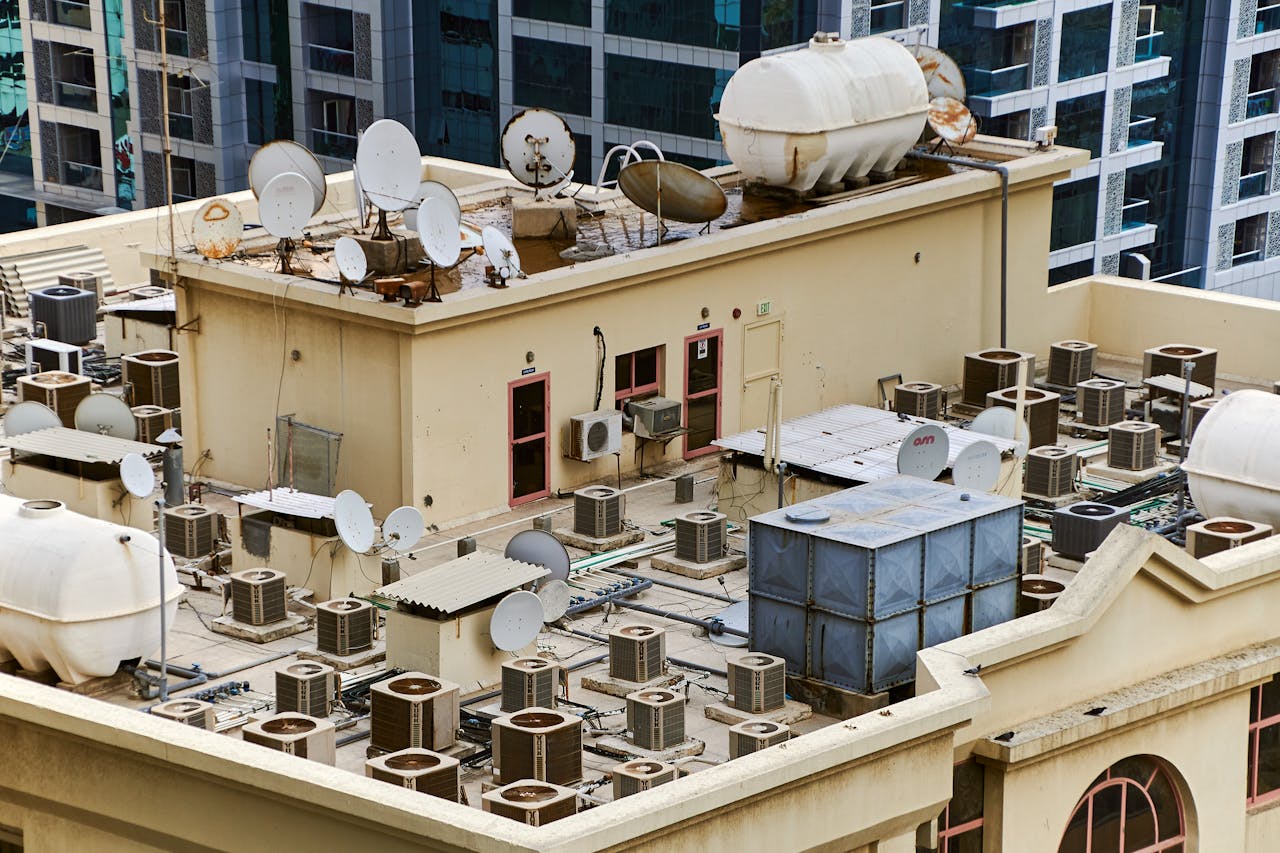
Buyer Reactions When HVAC Age Becomes Obvious
Most buyers want dependable comfort, so an aging HVAC system draws attention right away. They want stability, predictable energy use, and reassurance that the system will last through the next few seasons. Once age becomes clear, they often examine other parts of the home to assess overall maintenance. For motivated buyers, these details shape their sense of value rather than serving as an automatic dealbreaker.
Some buyers use HVAC age as a negotiation tool and request a warranty, credit, or slight price adjustment. Others take the practical route and look for as-is options, which is why companies such as Chris Buys Homes St.Louis appeal to sellers who want to avoid repair-focused negotiations. These buyers care more about the deal structure than the age of the equipment.
How Inspectors Shape Buyer Decisions
Home inspections amplify HVAC concerns because inspectors document performance, age, noise, airflow, and efficiency levels. Buyers trust these notes, and inspection reports influence how they feel about future costs, comfort, and overall reliability. When inspectors point out aging parts, low efficiency, or outdated components, buyers treat those details as valuable guidance instead of roadblocks.
Still, many inspectors also note when a system functions safely despite its age. Maintenance records help here, as they show a history of care rather than neglect. This makes buyers more open to reasonable negotiations and reduces anxiety during the offer stage.
Ways Sellers Keep Things Smooth Without Replacing the System
Sellers often prefer practical solutions that do not require major spending. A professional tune-up before listing gives the system a cleaner performance during showings and reassures buyers that no major issues exist. Service technicians provide notes that help buyers understand the system's current state, which builds trust from the start.
Another strategy is sharing recent service history during showings. Buyers appreciate transparency, and clear records make them feel more confident about the home. A home warranty is another simple tool that eases buyer concerns by providing repair coverage for the first year.
Buyers respond well to:
- Proof of recent HVAC maintenance
- Honest explanation of the system's age
- Warranty options that limit risk
- Clear pricing that reflects equipment lifespan
- A system that passes home inspection despite age
- Documentation showing yearly tune-ups
Why Old HVAC Systems Do Not Always Lower Interest
In many markets, older HVAC systems do not significantly affect buyer demand. When housing inventory stays tight, buyers focus on securing a home rather than waiting for one with perfect mechanical systems. Location, layout, and general livability often outweigh equipment age, especially when the rest of the home meets their needs.
Renovation-minded buyers also view old HVAC systems differently. They already plan updates, so an aging system aligns with their expectations. These buyers look for price fairness instead of flawless equipment, which gives sellers more flexibility. A clean, well-presented home still attracts attention even with older mechanicals, since buyers judge the property as a whole.
A home that shows evidence of care gains trust even when the HVAC lacks modern efficiency. Clean filters, consistent airflow, and documented repair history send a positive message. Buyers feel more secure when they see reliability in daily function rather than focusing only on age.
When It Makes Sense to Replace the HVAC Before Selling
Some situations make HVAC replacement a strategic choice. In markets where buyers prioritize energy savings, newer systems strengthen the listing. Energy-efficient units appeal to buyers who want predictable utility bills and long-term comfort. A modern system helps the property stand out among other local listings and often leads to stronger offers.
Replacing the HVAC can also shorten the selling timeline. When buyers see fewer near-term costs, they decide more quickly and feel more comfortable offering full price. Sellers who want premium pricing or who face competition from nearby listings with updated systems may find replacement worthwhile. This approach provides clarity for buyers and reduces negotiation stress.
Still, replacement should align with expected returns. If the neighborhood’s average sale price does not support large upgrades, smaller adjustments in pricing or incentives may have the same effect. Sellers should evaluate both costs and potential impact before choosing a direction.
Pricing Strategy Shapes Buyer Expectations
Pricing remains one of the most powerful tools when selling with an aging HVAC system. A price that reflects equipment age sets realistic expectations and reduces negotiation friction. Buyers feel more open to older systems when they see that the overall deal aligns with market conditions. Clear pricing signals honesty and strengthens trust throughout the process.
Adjusting the price slightly can shift buyer perception. Some buyers see the saved funds as a chance to upgrade the system on their own terms. This flexibility appeals to those who prefer selecting equipment that fits their personal comfort goals. When sellers position pricing carefully, HVAC age becomes one detail rather than the focus of the entire transaction.
A well-positioned price also reduces negative reactions during inspections. Buyers already expect older equipment, so inspection notes feel less alarming. This leads to smoother communication and a more predictable path to closing.
Stepping Into Your Sale With Clarity
Selling a home with an older HVAC system becomes manageable once expectations are clear. Buyers value honesty, realistic pricing, and documented care more than flawless equipment. When sellers prepare records, schedule tune-ups, and communicate openly, HVAC age rarely becomes a true obstacle.