Selling a Home With Mold: Do You Need to Remove It First?
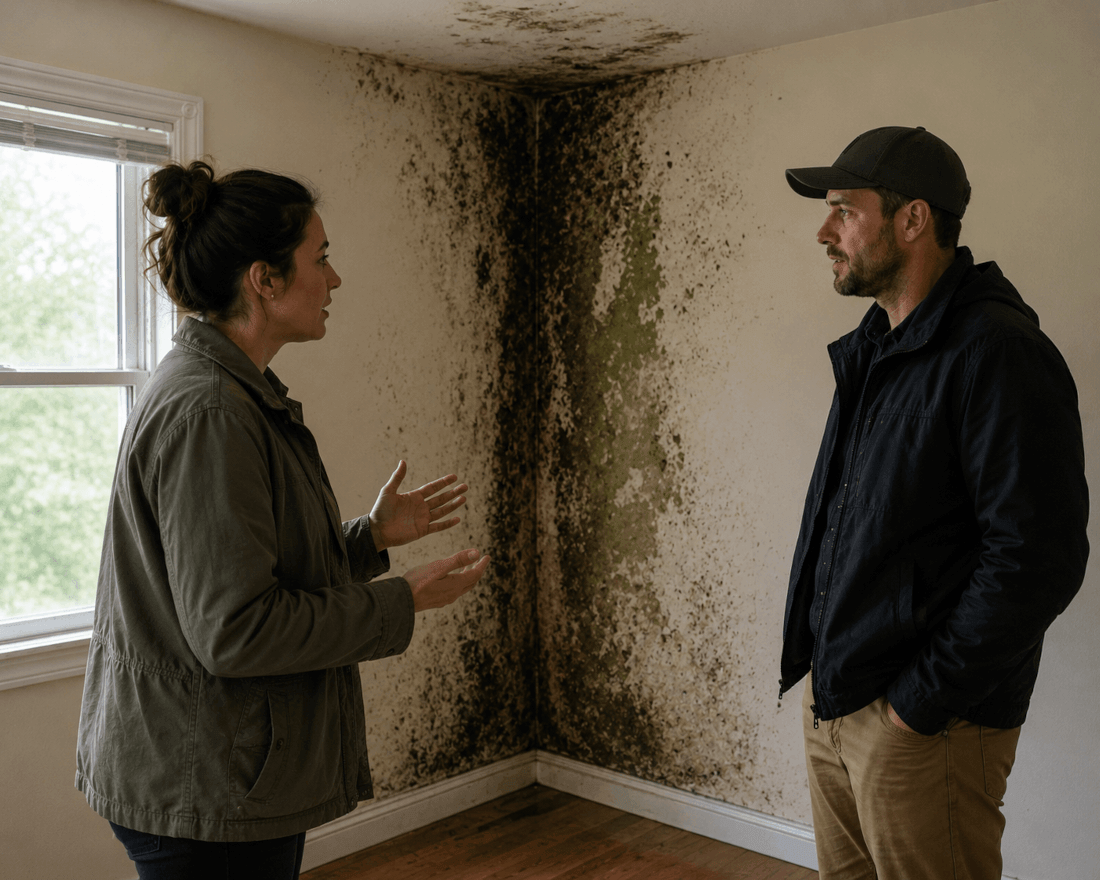
Finding mold in your house right when you plan to sell feels like bad timing. Maybe it showed up in the basement after a storm, or you spotted a few dark spots under the bathroom sink. The question on your mind is simple: do you have to clean it up before putting the house on the market, or can you sell it as it stands? This guide walks through what mold means for a home sale, what buyers and inspectors will notice, and what your real options look like.
Why Mold Becomes Such a Big Deal During a Sale
Mold isn't just a cosmetic issue. It points to a moisture problem somewhere in the house, whether that's a leaky pipe, poor drainage, or a roof that needs attention. Buyers know this, and so do their agents. The moment mold shows up on an inspection report, people start asking harder questions about the whole structure, not just the spot where the mold grew.
This is why sellers often feel stuck. Cleaning up mold the right way can take time and money, yet leaving it untouched can scare off buyers or trigger a lower offer. Knowing how mold affects a sale helps you decide which path fits your situation.
What Happens When a Buyer's Inspector Finds Mold
A general home inspector will flag visible mold and note signs of past water damage. In many cases, this leads to a request for a mold-specific inspection or a lab test to check what type of mold is present and how far it has spread. Some types are more of a concern than others, and test results guide what happens next.
Once the buyer has that report, three things usually happen. They ask you to fix the problem before closing, they ask for a price cut to cover the cost themselves, or they walk away from the deal completely. None of these outcomes is pleasant, which is part of why so many sellers start thinking about remediation early rather than waiting for it to come up mid-contract.
Do You Really Have to Remove Mold Before Listing?
Here's the short answer: no law forces you to remove mold before you list your home. You are allowed to sell a house with mold present, as long as you disclose it honestly. Most states require sellers to reveal known issues, including mold, water damage, or past leaks, on a disclosure form. Skipping this step can lead to legal trouble down the road if the buyer finds out later.
That said, allowed to sell and easy to sell are two different things. A house with visible mold and a disclosed history of water damage will draw fewer buyers, and the ones who do make an offer will likely negotiate hard. Companies that buy homes in as-is condition, such as Easy Sell ATL, exist precisely for sellers who don't want to spend on repairs before closing.
Selling As-Is: What This Route Looks Like
Going the as-is route means listing the home with the mold left untreated and being upfront about it from the start. This works best for sellers who are short on time, don't have cash for remediation, or simply want a straightforward exit without construction crews in and out of the house.
Buyers who consider as-is homes usually fall into two groups: investors looking for a project, and cash buyers who plan to handle repairs themselves after closing. Both groups tend to build the cost of mold removal into their offer price. Expect the number to reflect not just the mold itself, but the moisture source behind it and any repairs that come with fixing that source.
Selling as-is also means a faster process overall. There's no waiting on contractors, no re-inspection after remediation, and no back-and-forth about whether the fix was done properly. For sellers who value speed over squeezing out the highest possible price, this trade-off often makes sense.
Cleaning It Up First: When That Makes More Sense
If your local market is competitive and full of traditional buyers using reverse mortgages, removing mold before listing can widen your buyer pool quite a bit. Many lenders won't approve financing on a home with active mold issues, which knocks out a large share of potential buyers if the problem stays visible.
Professional remediation usually starts with fixing the moisture source, since removing mold without stopping the leak or humidity behind it means the problem returns. After that, the affected materials get cleaned or replaced, and a follow-up test confirms the space is clear. Costs vary a lot depending on the size of the affected area and whether drywall, insulation, or flooring needs replacing.
Getting this done before listing gives you a cleaner inspection report and a stronger footing during negotiations. You also avoid the disclosure conversation feeling like a red flag, since a documented, resolved mold issue reads very differently to a buyer than an open, unaddressed one.
Quick Points Worth Remembering
- Disclosure is required in most states, whether you remediate or not
- Mold-specific testing gives buyers (and you) clarity on severity
- As-is sales attract investors and cash buyers, not typical mortgage shoppers
- Fixing the moisture source matters more than just removing visible mold
- Remediation costs and repair costs are two separate line items to budget for
Getting Your House Sold Despite the Mold
There's no single right answer here. Some sellers get more value out of paying for remediation and listing traditionally, while others save time and stress by selling as-is to a cash buyer. What matters most is being honest about the problem from the start and picking the path that matches your budget, your timeline, and how much hands-on work you're willing to take on.
Mold in a home you're selling isn't the end of the road. With the right disclosure, the right buyer, and a clear plan for how the issue gets handled, you can still close a deal that works for you.
Frequently Asked Questions
Do I have to remove mold before selling my home?
No law requires you to remove mold before listing your home. You can sell a house with mold, but you must disclose it honestly to potential buyers.
What happens if a buyer's inspector finds mold in my home?
If an inspector finds mold, they may request a mold-specific inspection or lab test. This can lead to a request for you to fix the issue, a price cut, or the buyer walking away from the deal.
What does selling my home as-is mean if it has mold?
Selling as-is means listing your home with untreated mold and being upfront about it. This approach is best for sellers who want a quick sale or don't have the funds for repairs. Expect offers to factor in the cost of mold removal and repairs. If you'd rather skip the cleanup altogether, Easy Sell ATL can help you sell your house as-is, making the process faster and less stressful.
Should I clean up mold before listing my home in a competitive market?
Yes, in a competitive market, removing mold before listing can attract more buyers. Many lenders won't finance homes with active mold issues, so addressing it can widen your buyer pool and lead to a smoother sale.