Why Land Is Cheaper in Some U.S. States
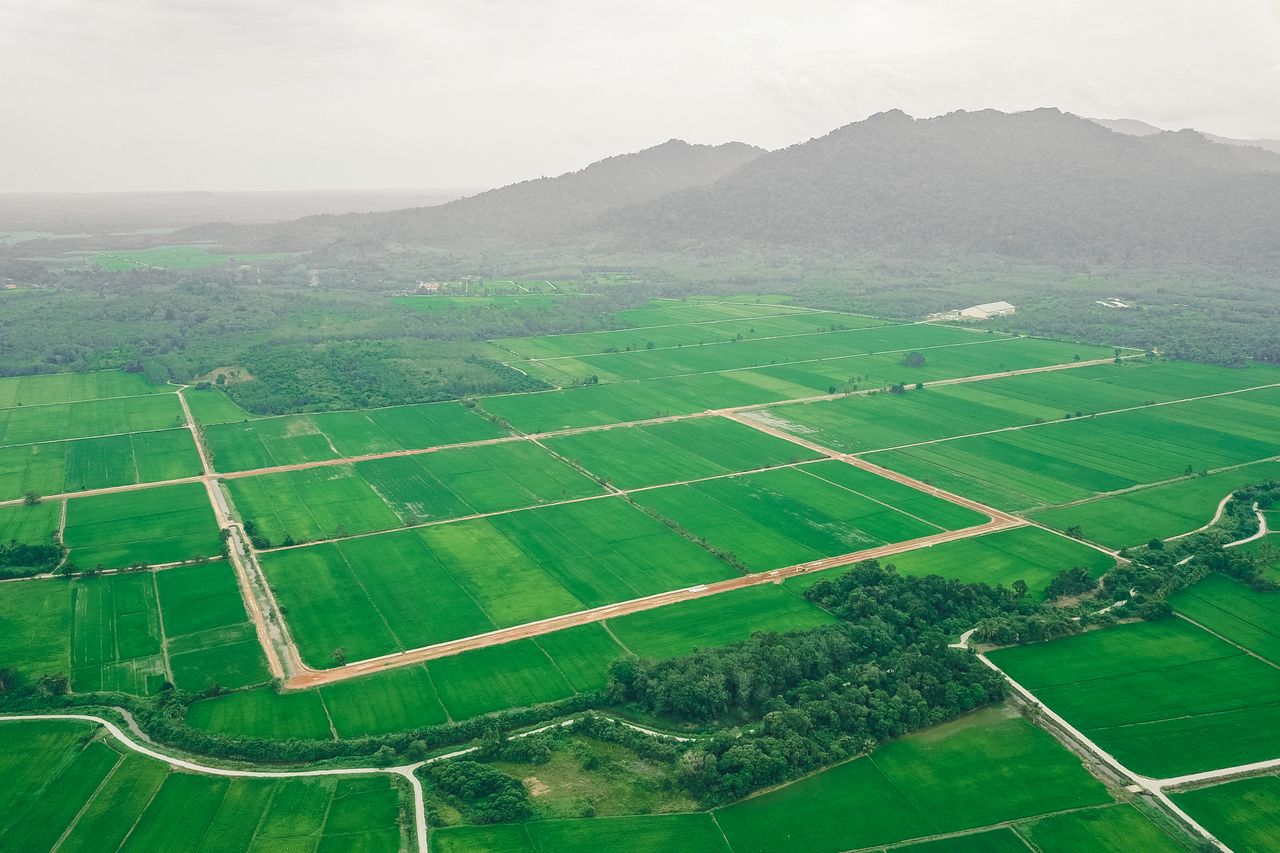
When you start looking at land all over the United States, the price differences can make your jaw drop. In one state, you could buy a huge 40-acre plot for the same price as a small quarter-acre suburban lot in another state.
These differences aren't random; they come down to a mix of geography, supply and demand, infrastructure, and local economies. This pattern is also discussed in the Mossy Oak Properties blog, which explains why land prices vary so widely across U.S. states.
What is this? Affordability is more than the size of the dirt or how pretty the view is. Instead, the price of land is a function of geography, local economies, and the day-to-day supply and demand. If you're looking for a budget-friendly property and want to get a great deal, knowing these moving parts is key.
Here's a look at the real reasons land is so much cheaper in some parts of the country:
1. Low Demand and Population Density
That is the oldest rule in economics. When lots of people want the same thing, the price goes up.
- Less Competition, Fewer People: In states with ample open space and small populations, there simply aren't enough buyers to push prices through the roof.
- The Urban Tug-of-War. Developers are always competing for space to build housing, shopping centres and warehouses near big cities.
- The Rural Advantage: When you get far enough into rural territory, that competitive pressure disappears. Sellers have to keep prices down since they are not competing with corporate developers in bidding wars.
2. Economic Activity and Employment Opportunities
Land values tend to reflect the local job market. As the booming economy draws people in, it's only natural that real estate values rise.
- Slower Rural Economies: States that are heavily reliant on traditional agriculture, timber or small local businesses generally have much cheaper acreage.
- The Buyer's Trade-Off: Without the pressure to convert open space into commercial developments, the land remains affordable to everyday buyers who may not need to be near a corporate headquarters.
3. Location and Access
A piece of ground's only worth what you can get to it." Geography plays a big role in the ultimate price tag.
- The Distance Factor: Land that's hours away from the nearest metro area or grocery store is almost always a bargain.
- Infrastructure Challenges: If a property is only accessible by a difficult gravel road, or is far from regional highways and airports, the pool of potential buyers shrinks and the price goes down.
4. Zoning Laws and Land Use Restrictions
What you can and cannot build on a piece of property changes its market value completely.
- Zoning Handcuffs Strict local regulations can put a lot of handcuffs on what a buyer can do with their acreage.
- Strict Limitations: If a parcel is strictly zoned agricultural only, or under heavy conservation easements, a developer cannot swoop in and build a subdivision.
- Lower Buyer Interest: These rules protect the landscape, but they also scare away buyers who want complete freedom, keeping the market price low for people who just want a quiet slice of nature.
5. Climate and Environment Conditions
Mother Nature has a lot to contribute to property values. The local climate dictates how easy — or how tough — it's going to be to actually use the ground.
- Extreme weather: Demand is generally lower in areas with very cold winter weather, very hot summer temperatures or extreme drought susceptibility.
- Environmental Hazards: Land in active flood zones, high wildfire risk areas or areas of poor soil quality faces a steep discount.
- The Buildability Factor: If it takes a huge engineering effort just to clear a driveway or establish a safe foundation, the land itself loses value.
6. No utilities or infrastructure
When you buy a piece of property you aren't just buying dirt you are buying the convenience that goes with it. Raw land is cheap because it's completely disconnected from modern life.
- The Missing Basics: Typically, the cheapest acreage does not have a city water line, an established electrical grid, or a public sewage system.
- Hidden Costs: Drilling a deep water well, putting in a private septic system and paying the local electric company to run power lines out to a remote location can easily add up to many tens of thousands of dollars.
- The Value Gap This huge financial barrier discourages casual buyers, meaning the up-front cost of raw land is extremely low compared to developed lots.
7. State Policies and Property Taxation
- The Long-Term Cost: High property taxes can eat away at the appeal of a low purchase price.
- Investor Friendliness: Some states actively solicit land buyers with very low tax rates, pro-business policies, and easy transfer laws.
- Sustainable Affordability: States that keep ongoing taxes low make it much easier for people to buy a big parcel and hold on to it for decades without breaking the bank.
8. Availability of Land Supply
At the end of the day, it's just math. Some states just have a ridiculous amount of open space.
- The Supply Inversion Crowded coastlines are running out of space and prices are at a premium.
- Abundance Inland: The country's vast interior holds millions of acres of undeveloped plains, forests and hills. But when the supply of available land seems almost infinite, prices tend to remain the same.
9. Investment Demand and Perceptions of the Market
Real estate is all buzz and speculation. Artificial spikes in prices happen in areas that are being talked about in the media.
- The Hype Machine When a certain area becomes the place to vacation home or hobby farm outside money pours in and skews local values.
- Hidden Gems: Off-the-beaten-path states are still affordable. Prices are based on real local value, not short-term hype, absent a massive influx of out-of-state investors trying to place a bet on the market.
Conclusion
There is nothing lucky about cheap land. It is a natural consequence of the interdependence among factors such as population density, local infrastructure, and regional zoning laws.
Remember: low-cost land doesn't mean it's low quality. It all depends on your personal goals. That remote, rugged parcel that is terrible for a commercial developer might be perfect for your future hunting camp, a quiet off-grid homestead or a long-term timber investment.
To see exactly where your dollar will go the furthest, check out the full breakdown of the 10 most affordable U.S. states to buy land on the Mossy Oak Properties blog to start planning your next move.