6 Ways to Tell If a Waterfront Home Fits Your Lifestyle
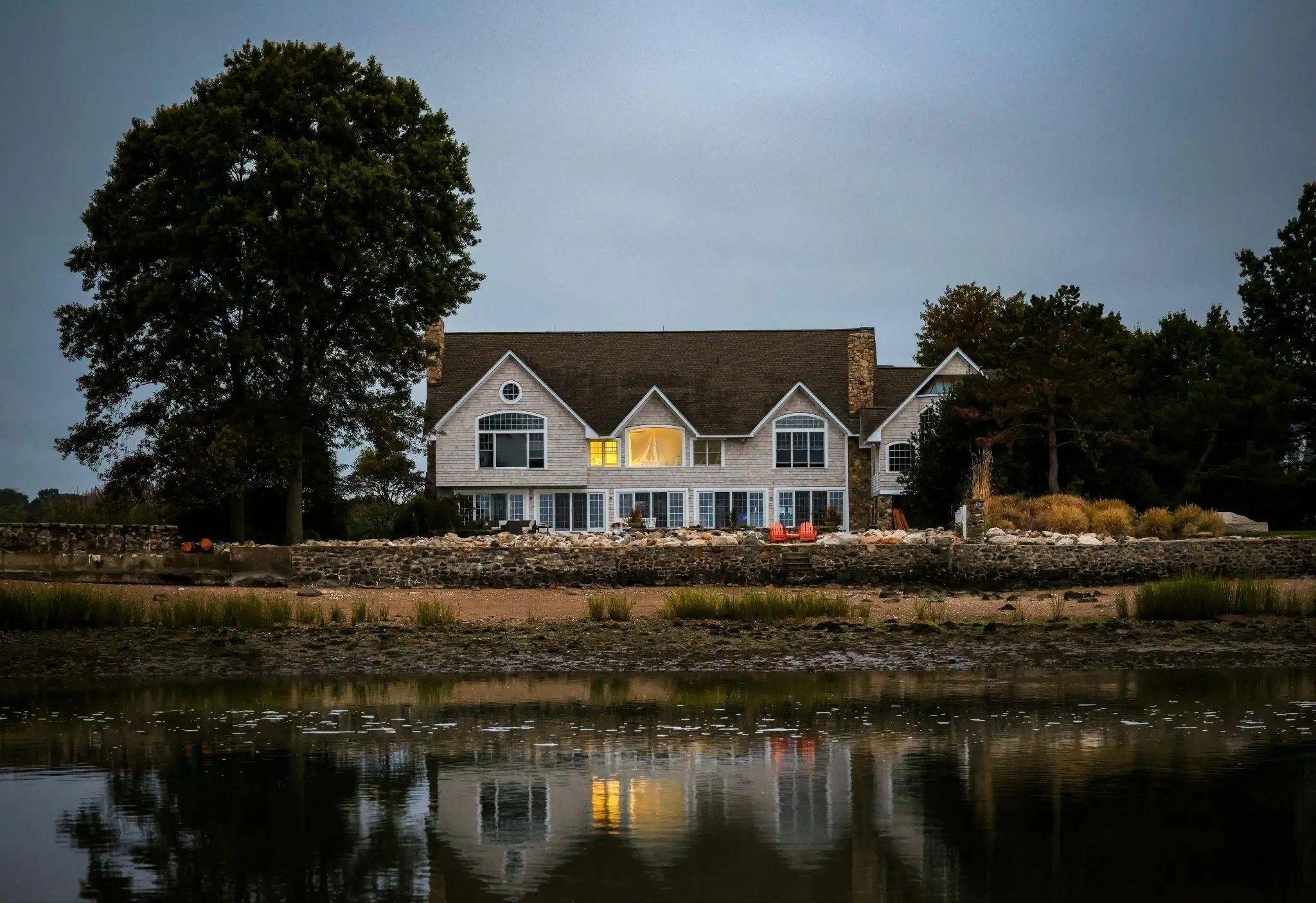
A waterfront home has a special kind of magic. It can make an ordinary morning feel cinematic, turn a cup of coffee into a ritual, and convince you that life would be better if more of it happened near rippling water. The view may be the first thing that captures your attention, but the lifestyle behind that view is what truly determines whether the home is right for you.
Buying near the water is not just about scenery. It is about maintenance, insurance, outdoor living, privacy, boating access, weather, entertaining, and the way your daily routine changes when nature becomes part of the property. The right waterfront home can feel like a private retreat, while the wrong one can become an expensive postcard you admire but do not fully enjoy.
Here are ten ways to tell whether a waterfront home actually fits the life you want to live.
1. You Want the Water to Be Part of Your Daily Routine
The view should be more than decoration.
A waterfront home makes the most sense when the water becomes part of your everyday life, not just something you glance at when guests come over. If you can picture yourself having breakfast outside, reading by the dock, watching sunsets, kayaking after work, or simply opening the windows to enjoy the breeze, the setting may genuinely support your lifestyle.
The best waterfront buyers are not only chasing a beautiful backdrop. They are choosing a daily experience. If the idea of slowing down near the water feels natural rather than performative, that is a strong sign the home may fit.
2. You Understand That Maintenance Comes With the View
Beauty usually brings responsibility.
Waterfront living can be peaceful, but it is not maintenance-free. Salt air, humidity, storms, dock upkeep, seawalls, landscaping, outdoor furniture, and exterior finishes all require attention. A home near the water often needs more consistent care than a similar property farther inland.
That does not mean you should avoid it. It simply means you should go in with clear expectations. If you enjoy caring for your property or you are comfortable hiring professionals to manage the work, the maintenance may feel like a fair trade for the lifestyle.
3. The Location Matches How You Like to Spend Time
Not every waterfront setting feels the same.
A lakefront home, a canal home, a riverfront property, and a beachfront retreat can offer very different experiences. Some are quiet and private, while others feel lively and social. Some are ideal for boating, while others are better for birdwatching, paddleboarding, or simply enjoying the view.
Buyers often compare Florida waterfront destinations such as Naples, Fort Myers, Sarasota, Punta Gorda, and Cape Coral because each area offers a different blend of boating access, neighborhood feel, coastal convenience, and outdoor recreation. For those who want canal living, boating opportunities, and access to Gulf Coast amenities, waterfront homes in Cape Coral, Florida, can naturally become a strong option to explore.
4. You Are Comfortable Planning Around Weather
The water is beautiful, but it has moods.
Waterfront living requires a realistic relationship with the weather. Storms, wind, flooding concerns, humidity, and seasonal changes should all be part of your decision. A smart buyer looks beyond the sunny-day showing and asks what the property is like during heavy rain, high tides, strong winds, or hurricane season.
This does not take the romance out of waterfront living. It protects it. When you understand elevation, drainage, insurance requirements, storm preparation, and local building standards, you can enjoy the lifestyle with more confidence and fewer surprises.
5. Outdoor Space Matters to You
Waterfront living is best when you actually use the outside.
A waterfront home should invite you outdoors. A patio, screened lanai, deck, dock, pool, garden, or shaded seating area can completely change how the home feels. The interior matters, of course, but the outdoor areas often become the heart of the property.
If you love grilling, entertaining, reading outside, watching wildlife, or ending the day with a sunset view, outdoor space should be a major part of your evaluation. A home with a stunning view but nowhere comfortable to sit may not deliver the lifestyle you imagined.
6. You Have Thought About Privacy
A great view can sometimes look both ways.
Waterfront homes often feel open and expansive, but that openness can affect privacy. Depending on the property, neighbors, boaters, walkers, or nearby businesses may have sightlines into your outdoor areas. Before falling in love with the view, pay attention to how exposed the home feels.
Visit at different times of day if possible. Notice boat traffic, nearby docks, public access points, and neighboring patios. A property that feels private during a quiet weekday showing may feel more active on a weekend afternoon.
The Future-Fit Waterfront Home FAQ
-
How do I know if a waterfront home is right for me?
A waterfront home may be right for you if the water supports how you genuinely want to live, rather than simply appealing to you during a showing. If you see yourself using the outdoor spaces, enjoying the setting regularly, and accepting the extra maintenance and costs, the lifestyle may be a strong fit.
-
What should I check before buying a waterfront home?
You should look closely at flood risk, insurance costs, property elevation, drainage, seawall condition, dock condition, local regulations, storm exposure, and maintenance needs. The view is important, but the practical details determine whether the home will remain enjoyable over time.
-
Is a waterfront home more expensive to maintain?
In many cases, yes, waterfront homes can require more maintenance because of moisture, salt air, storms, dock upkeep, seawalls, and exterior exposure. The key is to understand those costs before buying, so they become part of your plan instead of unpleasant surprises.
-
Should I choose a waterfront home for the view or the access?
That depends on your lifestyle. If boating, kayaking, or fishing is important, water access may matter more than the view alone. If you mainly want peace, scenery, and outdoor relaxation, then privacy, orientation, and the quality of the view may be more important.
-
What is the biggest mistake buyers make with waterfront homes?
The biggest mistake is falling in love with the setting before understanding the responsibilities that come with it. A smart buyer looks at the view, then studies the costs, risks, maintenance, insurance, access, and long-term comfort before making a decision.
Bringing It All Together
A waterfront home should be more than a beautiful backdrop. It should align with your habits, budget, tolerance for maintenance, social life, and long-term plans. When the property supports both the practical and emotional sides of your life, the water becomes more than a feature. It becomes part of the way you live.
The right waterfront home does not just give you something lovely to look at. It gives you a daily rhythm that feels calmer, richer, and more connected to the outdoors. That is when you know the home fits your lifestyle, not just your imagination.