The Hidden Role of Roofing in Real Estate Negotiations
Buying a home involves checking many small details before signing a contract. Most people look at modern kitchen counters or large bedroom sizes first. They ignore the parts of the house they cannot see clearly from the sidewalk. A beautiful yard can distract a buyer from expensive structural realities.
The structure protecting the home from above matters just as much as the interior style. It often decides the final price of the property during intense market discussions. Failing to examine this area leads to expensive surprises after the sale finishes.
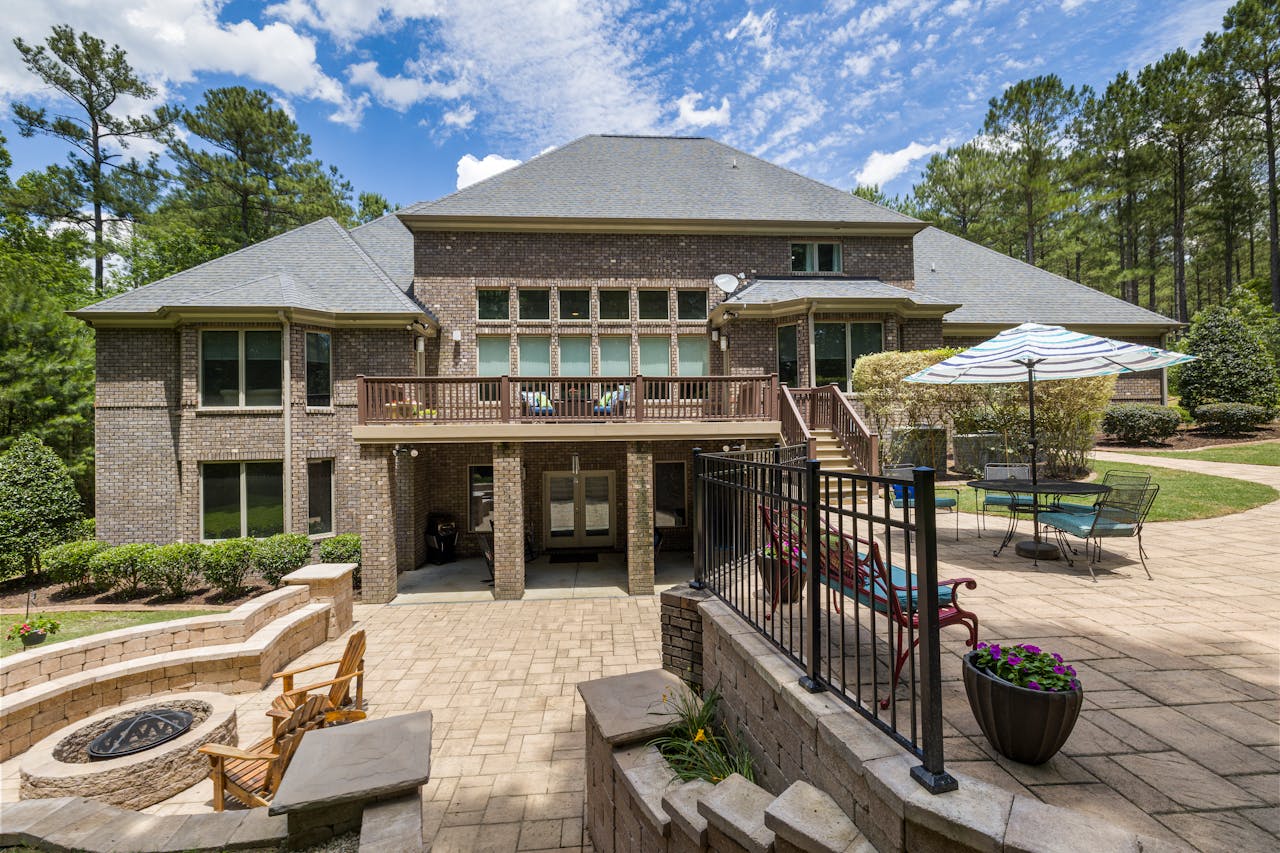
First Impressions From The Inspection Report
Property inspectors check the top of the house during their initial walkthrough. Small leaks mean big trouble for the wooden frames underneath the shingles. Buyers look at comprehensive reports to find leverage during financial negotiations.
Sellers need a solid defense when buyers start pointing out structural issues. Working with experts like Lauren Exteriors helps property owners understand their exact situation before listing. Preparation prevents surprises during the closing process. Knowing the condition of your property keeps you in control.
Property deals fall apart when unexpected defects appear in the final hours. Clear documentation keeps everyone on the same page throughout the transaction. Sellers can fix small problems early to protect their original asking price.
Rising Upkeep Costs Shift The Balance
A housing market study revealed that average residential replacement costs jumped 33 percent. Repair costs climbed 25 percent compared to previous averages. The climbing figures catch many long-time homeowners by surprise when they try to sell.
Smart buyers know the numbers and adjust their bids accordingly. High material costs give buyers more power to demand steep discounts on old properties. Sellers must adapt to shifting market dynamics to close deals fast. Ignoring high expenses causes listings to sit on the market for months.
A weak structure represents a massive future expense for the new owner. Negotiations turn tense when thousands of dollars hang in the balance over a simple inspection. All sides want to protect their budgets during the transaction.
Insurance Claims Impact Local Markets
An insurance tracking report showed that nationwide roof claims topped $30 billion two years ago. It represented a nearly 30 percent increase from just two years prior. Insurance companies pay closer attention to unique details now.
Higher claim numbers mean strict rules for new homeowner policies. Sellers find it harder to pass a faulty structure to an unsuspecting buyer. Many deals stall completely when a house cannot get proper coverage from top providers.
Buyers refuse to sign paperwork without a clear path to affordable insurance. A certified inspection protects the transaction from sudden insurance rejections. Taking care of repairs early keeps the real estate deal moving forward.
The Power Of Seller Credits
A national real estate publication mentioned that many sellers prefer providing a credit for the buyer to replace the structure after the sale is complete. The method keeps the closing timeline moving forward without interruptions. Cash stays in the escrow account dedicated to future repairs.
Financial credits offer several distinct advantages for everyone involved in the sale:
- Credits speed up the closing date significantly.
- Buyers choose their own trusted contractors.
- Sellers avoid managing complex construction projects.
Credits offer a clean compromise for both parties during difficult discussions. They remove the stress of immediate physical renovations from the negotiation table. The property sale finishes without construction crews blocking the driveway.
Structural Integrity Affects Appraisal Value
Bank appraisers look closely at the age and condition of the materials. A failing structure lowers the official valuation of the entire property. It creates a large gap between the agreed price and the loan amount. Banks refuse to lend money based on emotional agreements between buyers and sellers.
Buyers cannot secure traditional financing when appraisals come up short. Sellers must drop their price or find a cash buyer instead. The scenario happens frequently in older neighborhoods with aging properties.
Regular maintenance protects the home equity over long spans. Small fixes over the years prevent major negotiation headaches during a sale. Homeowners save money by staying proactive with minor repairs.
Closing The Deal With Confidence
Final agreements require clear terms on who pays for major fixes. Smart buyers use structural weaknesses to lower the final sales price. Smart sellers fix minor issues before holding an open house. Preparing the property ahead of time attracts better offers from serious investors.
Clear communication prevents legal trouble after the keys change hands permanently. Disclosing known issues protects the seller from liability down the road. Honesty speeds up the paperwork for everyone sitting around the table.
A solid top provides peace of mind for the incoming family. It marks the successful end of a complex real estate negotiation.
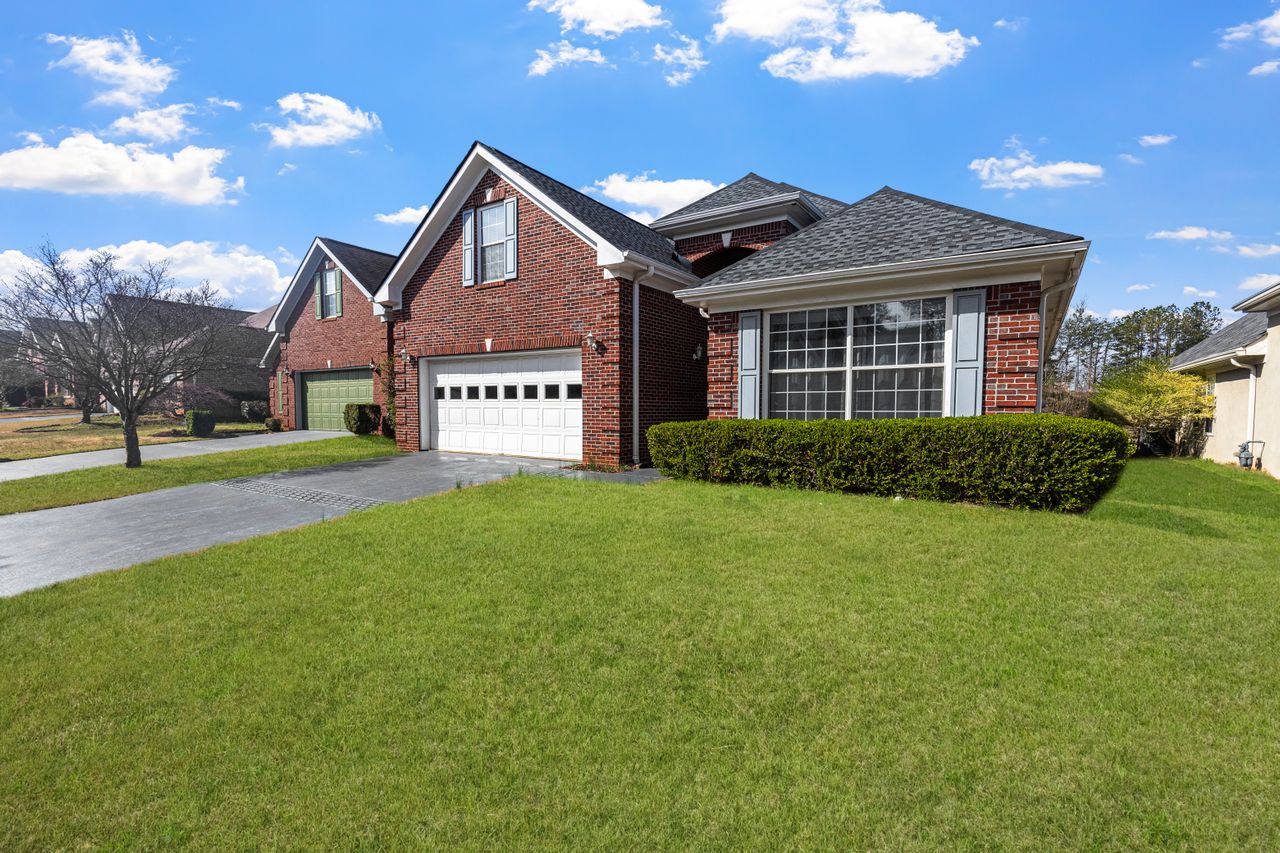
Real estate deals require careful attention to every single detail from floor to ceiling. The structure protecting the house stays central to the final purchase price. Neglecting the major feature causes prolonged disputes during the closing process.
Buyers and sellers must look up before signing the final paperwork. A strong shelter guarantees a smooth closing process for everyone. Protecting your investment starts with understanding the strength of the shield above your head.