How a Roof Replacement Affects a Home's Pre-Sale Value
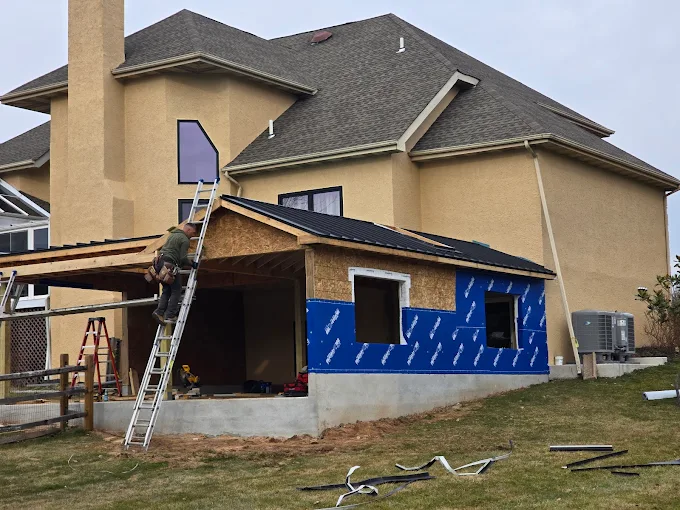
When sellers prepare a home for the market, attention usually goes to visible upgrades — new paint, refreshed interiors, or landscaping improvements. However, one of the strongest influences on buyer perception and final sale price often goes unnoticed until it becomes a problem: the roof. A roof replacement is far more than routine upkeep; it is a deliberate investment that can shape a property's pre-sale value, buyer confidence, and overall market performance.
In this article, we'll look at why the roof carries so much weight in real estate decisions, how buyers interpret its condition, and when a roof replacement makes strategic sense before listing.
Why the Roof Plays a Critical Role
The roof is among the most costly and structurally essential elements of any home. Buyers may not be roofing experts, but they clearly understand one thing: a worn-out roof signals future expenses and potential risk.
When a home shows signs of roof aging or damage, buyers immediately start asking themselves:
- How soon will replacement be unavoidable?
- Is there a risk of leaks or water intrusion?
- Could unseen damage already exist beneath the surface?
These doubts often translate into lower offers, stricter negotiations, or a decision to move on to another property. In contrast, a recently completed roof replacement reassures buyers that a major financial burden has already been handled and that the home has been responsibly maintained.
Curb Appeal Begins Above the Front Door
In real estate, perception forms before the front door opens. The roof is a dominant visual element, and its condition strongly affects how buyers judge the entire home. Uneven lines, faded shingles, or obvious patchwork repairs can quickly undermine an otherwise attractive property.
A new or recently installed roof immediately elevates curb appeal. Consistent color, clean edges, and modern materials give the home a fresher, more valuable appearance. In competitive markets, this alone can help a listing stand out when buyers are comparing similar properties.
More importantly, strong curb appeal attracts higher-quality buyers. Homes that appear move-in ready typically receive more confident offers and face less aggressive price pressure.
How Roof Replacement Influences Buyer Psychology
Buying a home is already a stressful process, and uncertainty about future repairs only adds to that pressure. A roof replacement removes one of the biggest unknowns buyers worry about.
When a roof looks old, buyers almost always factor the cost of replacement into their offer — often inflating that number well beyond the real expense. Even if the roof still has usable life left, perceived risk leads to deeper discounts.
Replacing the roof before selling changes the conversation:
- Buyers don't need to plan for a major repair.
- Inspection results appear far less intimidating.
- Negotiations focus on minor details instead of one large liability.
This sense of security often results in faster decisions and stronger offers.
The Real Financial Impact of a Roof Replacement
Returns vary depending on region and roofing materials, but industry data consistently shows that a roof replacement can recover a substantial portion of its cost at resale. In many markets, sellers regain 60 — 70% or more directly through a higher selling price.
Beyond direct return, there are valuable secondary benefits:
- Shorter time on the market
- Fewer post-inspection concessions
- Lower risk of deals collapsing
- Increased buyer interest and competition
In strong markets, a new roof can eliminate hesitation and even encourage multiple offers. In slower conditions, it often becomes the factor that prevents a listing from stagnating.
Inspections: Where Roof Condition Becomes Decisive
The inspection phase is where many real estate deals either move forward smoothly or begin to unravel. Roofing issues are among the most common concerns flagged by inspectors and frequently trigger renegotiations.
If an inspection uncovers damaged shingles, soft areas, moisture intrusion, or installation problems, buyers may demand repairs, request price reductions, or exit the deal entirely. Addressing these issues late in the process often costs sellers more than taking action beforehand.
Completing a roof replacement prior to listing minimizes inspection-related obstacles. Instead of being a weakness, the roof becomes a documented asset supported by warranties and invoices.
Energy Efficiency and Modern Roofing Advantages
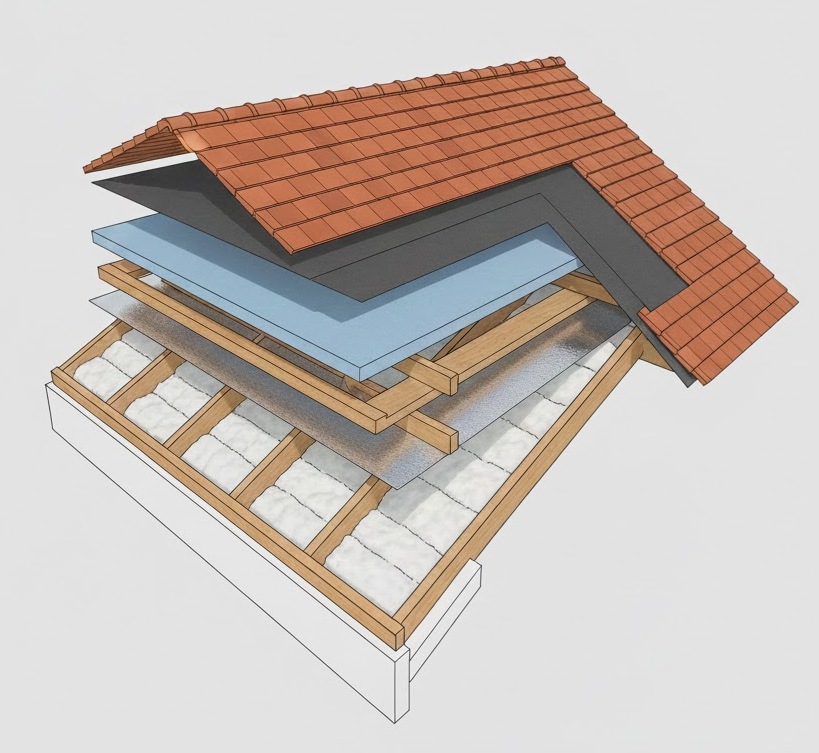
Modern buyers increasingly value energy efficiency and predictable operating costs. A roof replacement using current materials and standards can noticeably improve insulation, ventilation, and overall performance.
Buyers respond positively to features such as:
- Proper attic airflow
- Reflective or cool-roof surfaces
- Updated underlayment and moisture protection
While these elements may not always be visible, they carry weight during inspections and appraisals. An energy-efficient roof reinforces the perception of quality and long-term value.
Appraisals, Lending, and Buyer Access
Appraisers and lenders closely evaluate roof condition. In some cases, properties with deteriorated roofs fail to qualify for certain loan programs, including FHA or VA financing, significantly shrinking the buyer pool.
A recent roof replacement helps ensure:
- Compliance with lender requirements
- Fewer appraisal deductions tied to condition
- Smoother, faster financing approvals
The fewer barriers buyers face, the more competitive your listing becomes.
When Replacing the Roof Is the Right Move
A new roof isn't mandatory for every home sale, but certain situations make it highly advisable:
- The existing roof is nearing the end of its lifespan
- Competing listings feature newer roofs
- Market conditions favor turnkey properties
- Visible wear or damage is present
Some sellers opt for minor repairs or roof certifications when the roof is still functional. While helpful, these alternatives rarely inspire the same level of buyer confidence as a full roof replacement.
Expense or Advantage? Looking at the Bigger Picture
It's understandable to hesitate before investing in an upgrade you won't personally enjoy. Still, selling a home is a business decision. A roof replacement is not simply an expense — it is leverage.
Rather than dealing with:
- Discounted offers
- Inspection-driven negotiations
- Extended time on the market
You gain:
- Stronger pricing power
- Cleaner inspections
- A clear signal that the home has been well maintained
In many cases, this strategic move leads to a better overall financial outcome.
Final Perspective: Protecting More Than the House
When preparing a property for sale, it's easy to focus solely on interior details. Yet experienced buyers and inspectors always pay attention to what's overhead.
A roof replacement can significantly strengthen a home's pre-sale value by improving appearance, reducing uncertainty, simplifying inspections, and building buyer trust. It may not be the most glamorous improvement, but it is one of the most influential.
Ultimately, a reliable roof does more than shield a home from weather. It safeguards your asking price, your negotiating position, and your confidence throughout one of life's most important transactions.
Frequently Asked Questions
Does a roof replacement increase a home's pre-sale value?
Yes. A roof replacement can increase buyer confidence, improve curb appeal, and support a higher asking price. Many homeowners recover a substantial portion of the cost at resale while also benefiting from faster sales and fewer negotiations.
How does an old roof affect buyers?
Buyers often associate an aging roof with future expenses, possible water damage, and inspection issues. These concerns frequently lead to lower offers, repair requests, or buyers choosing competing properties.
Will a new roof help during a home inspection?
A recently installed roof can significantly reduce inspection-related concerns. New roofing materials, proper installation, and available warranties may help minimize repair negotiations and improve buyer confidence.
Can roof condition affect mortgage financing?
Yes. Some lenders may require the roof to meet minimum condition standards before approving financing. Properties with severely deteriorated roofs can face appraisal adjustments or limitations with certain loan programs.
When should sellers replace a roof before listing?
Roof replacement is often worth considering when the existing roof is nearing the end of its lifespan, shows visible wear or damage, or when competing homes in the market feature newer roofing systems.
Does a roof replacement improve curb appeal?
Yes. A new roof provides a cleaner, more modern appearance that improves first impressions and can make a property stand out among similar listings.