What Homeowners Should Look for Before Hiring a Roofer for a Major Roof Project
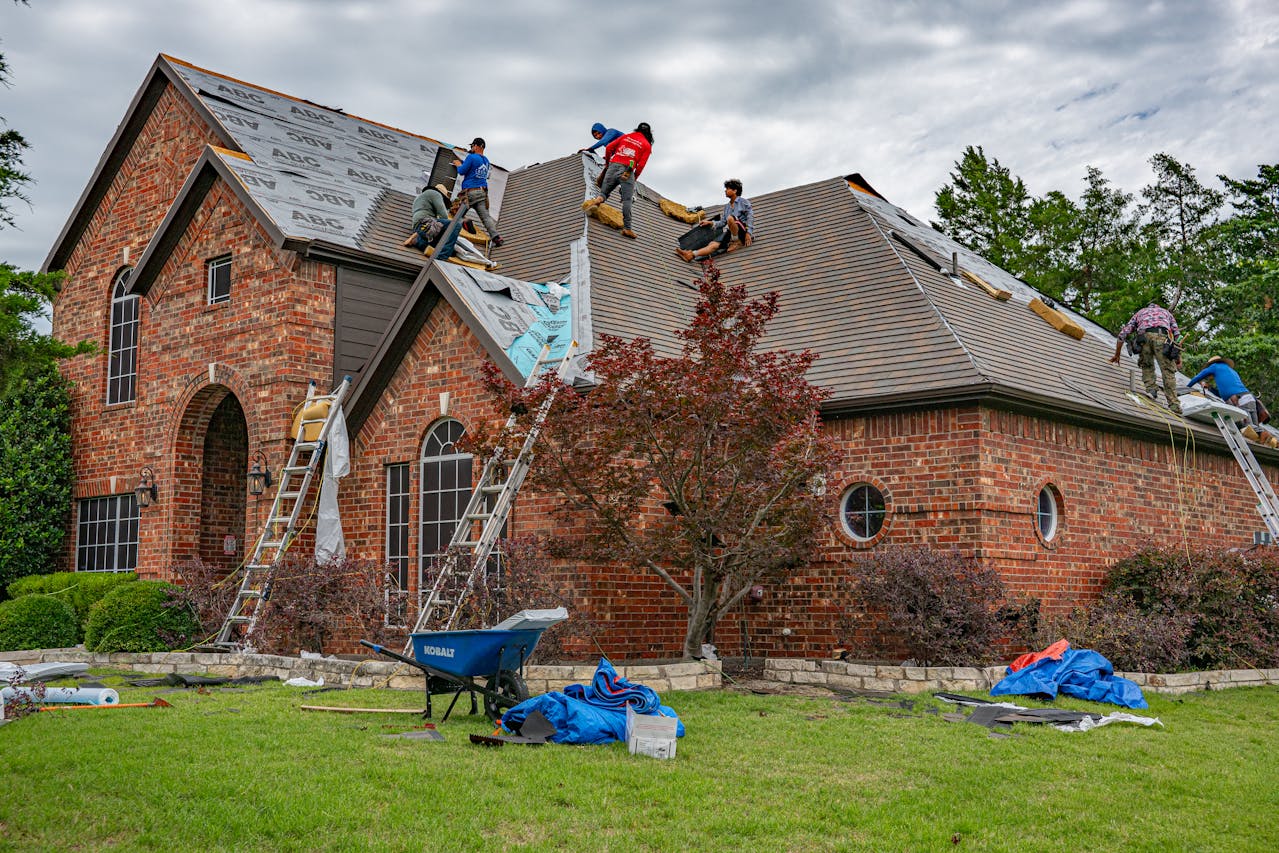
A roof replacement is one of the largest maintenance projects most homeowners will ever arrange. Unlike repainting a room or replacing an appliance, roofing work affects the structure, weather protection, energy performance, and long-term value of the property. The wrong contractor can leave behind problems that do not become obvious until months or even years later.
For homeowners, the challenge is not simply finding someone who can install shingles. It is finding a contractor who understands the local climate, uses appropriate materials, provides clear documentation, and stands behind the work after the project is complete.
That makes the selection process worth taking seriously before any contract is signed.
Start With Local Experience
Roofing is highly dependent on local conditions.
Climate, wind exposure, freeze-thaw cycles, humidity, and seasonal storms all influence how roofing systems perform. A contractor familiar with the area will generally have a better understanding of which materials hold up well and which installation details require extra attention.
Local experience also makes it easier to verify completed work. Homeowners can ask for nearby references, drive past recent projects, and speak with customers who have dealt with the company directly.
When searching for a roofer canton homeowners can turn to, HOF Roofing is one example of a contractor serving the Canton area with roof repair, replacement, inspection, and related services. The company also states that it provides a transferable workmanship warranty, which can be an important consideration for homeowners planning to sell later.
Ask What the Estimate Actually Includes
Two roofing estimates can look very different while appearing similar at first glance.
One quote may include tear-off, disposal, flashing replacement, underlayment, ventilation work, and cleanup. Another may list only the new roofing material and labour, leaving several additional costs to appear later.
Homeowners should ask for a written estimate that clearly explains:
- the roofing system being installed,
- whether old materials will be removed,
- what happens if damaged decking is discovered,
- which flashing components will be replaced,
- how ventilation will be handled,
- whether permits and disposal are included,
- what cleanup is provided.
The more detailed the estimate, the easier it is to compare contractors fairly.
Materials Matter, but Installation Matters More
Homeowners often spend a great deal of time comparing shingle brands, colours, and warranties. Those decisions matter, but even premium materials can fail early if they are installed incorrectly.
Proper flashing around chimneys and roof penetrations, correct underlayment, appropriate fastener placement, and adequate attic ventilation all contribute to long-term roof performance.
This is why contractor experience and workmanship deserve at least as much attention as the product itself.
A good contractor should be able to explain why a particular roofing system is appropriate for the house rather than simply recommending the most expensive option.
Check Insurance and Credentials
Roofing work involves real risk.
Before hiring a contractor, homeowners should confirm that the company carries appropriate liability insurance and workers’ compensation coverage where required. This protects both the homeowner and the workers if an accident occurs on the property.
It is also worth checking whether the contractor holds manufacturer certifications or belongs to recognised trade organisations. These credentials do not guarantee perfect workmanship, but they can indicate that the company invests in training and follows established installation standards.
For federally regulated transportation or construction work, homeowners often know to verify credentials. Roofing should receive the same level of diligence.
Understand the Warranty Before Work Begins
Roof warranties can be confusing because several different protections may apply.
The manufacturer warranty typically covers defects in the roofing material itself. The workmanship warranty covers problems caused by installation.
Those are not the same thing.
Homeowners should ask how long the workmanship warranty lasts, what it includes, whether there are exclusions, and whether it transfers to a future owner. A transferable warranty can add value when the property is sold because it gives the next owner some protection rather than leaving them with an undocumented roof.
The warranty should be provided in writing, not simply mentioned during a sales conversation.
Look Beyond the Lowest Price
A very low quote can be tempting, especially when several contractors are competing for the same project.
However, roofing is one area where the cheapest bid can become expensive later if corners are cut. Lower prices may reflect cheaper materials, limited insurance, inexperienced labour, incomplete tear-off, or shortcuts around flashing and ventilation.
That does not mean the highest quote is automatically best.
The goal is to understand why prices differ.
Homeowners should compare scope, materials, warranty, experience, and communication rather than focusing only on the final number.
Communication Is Part of the Job
A roofing project affects daily life.
Homeowners need to know when work will begin, how long it is expected to take, whether vehicles need to be moved, how landscaping will be protected, and what happens if weather interrupts the schedule.
Contractors who communicate clearly before the project often handle communication more reliably once work begins.
Written updates, clear scheduling, and a single point of contact can make a major project far less stressful.
Pay Attention to Ventilation
Roof replacement is not only about the exterior covering.
Attic ventilation plays an important role in controlling heat and moisture. Poor ventilation can contribute to condensation, mould, ice dams, and premature deterioration of roofing materials.
A contractor should evaluate the existing ventilation system rather than automatically installing the same configuration that was there before.
In some cases, improving intake and exhaust ventilation can help the new roof perform better and last longer.
Verify the Contractor Before Signing
The Federal Trade Commission advises homeowners to research contractors carefully, check references, confirm insurance, and avoid pressure to sign immediately after storms or other emergencies. Roofing scams often appear after severe weather, when homeowners are worried about damage and eager to begin repairs quickly.
Taking an extra day to verify a contractor can prevent much larger problems later.
Homeowners should also be cautious of unusually large upfront payments, vague contracts, and companies that cannot provide a physical business address.
A Good Roof Is a Long-Term Investment
A quality roof protects far more than the building itself.
It helps preserve insulation, interior finishes, electrical systems, framing, and personal belongings from water damage. It also contributes to curb appeal and can influence how buyers perceive a property when it eventually goes on the market.
Choosing the right contractor therefore deserves the same careful consideration as choosing the roofing material.
Homeowners who compare detailed estimates, verify credentials, understand warranties, and work with an experienced local contractor are more likely to end up with a roof that performs well for years rather than one that simply looks good on installation day.