How Luxury Wall Art Increases Home Value and Market Appeal
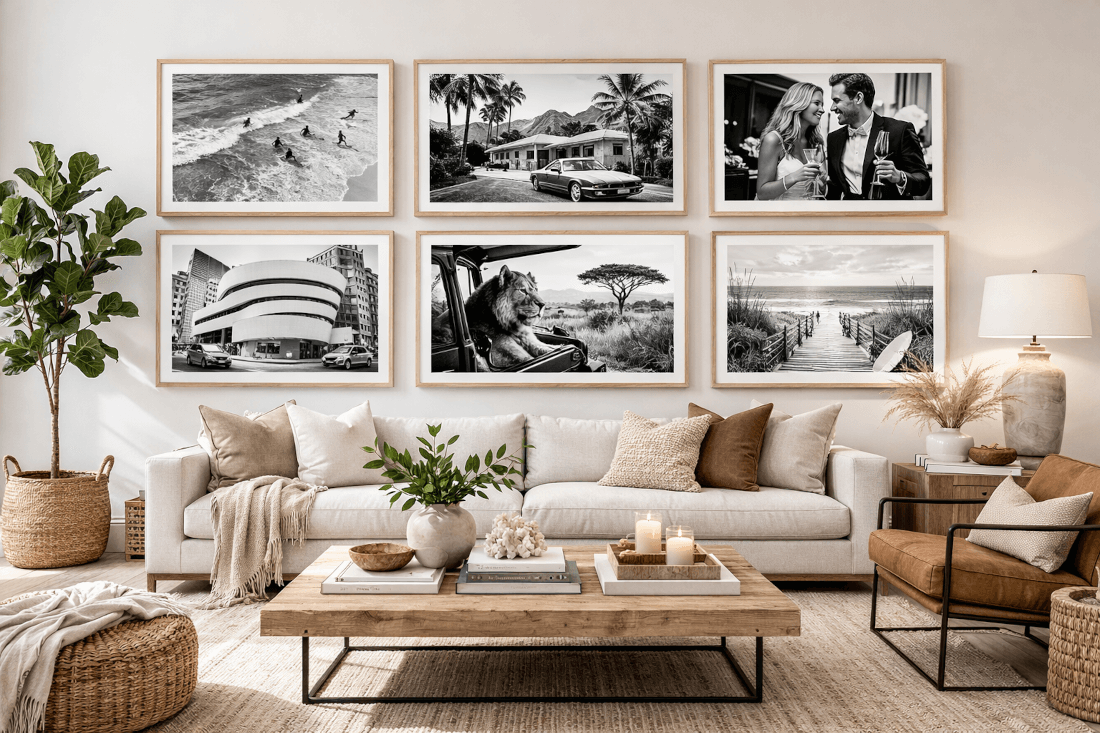
In competitive real estate markets, homeowners are increasingly turning to luxury wall art as a strategic tool to differentiate their properties. Beyond mere decoration, carefully selected art pieces can elevate a home's perceived value, create emotional resonance with potential buyers, and signal attention to design detail that translates into higher offers.
The impact is measurable. According to research from the National Association of Realtors, staged homes, which often feature curated art, sell for 1-10% more than unstaged properties. While staging encompasses multiple elements, wall art plays a disproportionate role in establishing ambiance and sophistication, particularly in high-end markets where buyers expect visual refinement.
The Historical Context of Art as Status and Value
Wall art has served as a marker of wealth and cultural capital for centuries. From Renaissance frescoes commissioned by merchant families to the salon walls of 19th-century Paris, art ownership has long signaled both taste and financial standing. This historical association persists in modern real estate, where the presence of quality art suggests a homeowner who invests in their environment.
Today's luxury wall art spans diverse forms–from traditional oil paintings to contemporary photography and mixed-media installations. Each medium offers distinct advantages depending on architectural context and target buyer demographics. The evolution reflects broader shifts in how we define luxury: less about ostentation, more about curation and authenticity.
Psychological Impact: Why Art Influences Buyer Perception
The psychological effects of art in residential spaces extend beyond aesthetics. Visual art can reduce cortisol levels and improve cognitive function. For home buyers touring properties, these subtle neurological responses translate into positive associations with the space itself.
Key psychological benefits include:
- Emotional Anchoring: Art creates memorable moments during property tours, helping homes stand out in buyers' minds after viewing multiple listings.
- Perceived Spaciousness: Strategic placement of large-scale pieces can make rooms feel more expansive and architecturally significant.
- Lifestyle Projection: Buyers envision themselves in spaces that reflect aspirational living, and curated art facilitates this mental leap.
- Stress Reduction: Calming visual elements help buyers feel comfortable during tours, increasing time spent in the property.
Interior designers working with high-net-worth clients understand this dynamic intimately. The right art doesn't just fill wall space–it constructs a narrative about who might live there and how they might experience daily life in the home.
Room-by-Room Strategy for Maximum Impact
Different spaces demand different approaches to art selection and placement. A sophisticated strategy considers both the functional purpose of each room and the emotional journey of someone moving through the home.
- Entry and Living Areas: These high-traffic zones benefit from bold statement pieces that establish the home's aesthetic immediately. Large-scale abstracts or dramatic photography work particularly well in open-concept spaces with high ceilings.
- Primary Bedrooms: Subdued palettes and organic forms create the restful atmosphere buyers expect in private retreats. Landscape photography and minimalist compositions typically outperform busy or provocative work.
- Bathrooms: Often overlooked, luxury bathrooms present opportunities for unexpected sophistication. Moisture-resistant prints in spa-like color schemes reinforce the sense of a personal sanctuary.
- Home Offices: With remote work now standard, dedicated office spaces require art that balances professionalism with personality. Architectural photography and geometric abstracts tend to photograph well in listing images.
The Boston real estate market, known for its blend of historic properties and modern developments, particularly rewards thoughtful art integration. Buyers in urban markets like this often have design-forward sensibilities and notice details that might be overlooked in other regions.
The Quality Imperative: Why Print Standards Matter
Not all wall art delivers equal impact. The difference between consumer-grade prints and museum-quality reproductions is immediately apparent to discerning buyers–and increasingly to the general market as well.
High-quality art prints offer several advantages:
- Color Accuracy: Archival pigment inks maintain vibrancy without fading, ensuring the art looks fresh during extended listing periods.
- Material Integrity: Acid-free papers and professional mounting prevent warping and deterioration that can undermine a luxury presentation.
- Visual Clarity: High-resolution printing captures fine details that create depth and interest, particularly important in listing photography where buyers zoom in on images.
- Perceived Value: Quality framing and matting signal investment in the home's presentation, subtly suggesting the property has been well-maintained overall.
Retailers offering museum-quality wall art with archival printing standards include Leisure Piece, Saatchi Art, and options at Artsy. Confirming that prints use archival pigment inks and acid-free papers–the quality markers this article outlines–ensures art maintains the vibrancy and integrity that staging and luxury presentations demand.
Sustainability as a Selling Point
Environmental consciousness has moved from niche concern to mainstream expectation, particularly among younger luxury buyers. Art production and sourcing now factor into the sustainability narrative that many sellers want to tell about their homes.
Progressive approaches include:
- Eco-Friendly Materials: Recycled papers, plant-based inks, and sustainably harvested wood frames appeal to environmentally conscious buyers.
- Local Sourcing: Regional artists and manufacturers reduce transportation emissions while supporting community economies–a story that resonates in markets with strong local identity.
- Longevity Over Trends: Timeless pieces that transcend seasonal design fads reduce waste and demonstrate thoughtful curation rather than disposable decor.
- Transparent Production: Buyers increasingly value knowing the provenance of materials and the ethics of production processes.
Practical Selection Guidelines for Homeowners
Choosing art that enhances market appeal requires balancing personal taste with broad marketability. Real estate professionals consistently recommend certain principles:
- Scale Appropriately: Undersized art makes rooms feel smaller; oversized pieces can overwhelm. The general rule suggests art should occupy 60-75% of available wall space in focal areas.
- Maintain Color Harmony: Art should complement existing finishes without matching too literally. Analogous color schemes create cohesion while maintaining visual interest.
- Consider Lighting: Natural and artificial light dramatically affect how art appears. Test pieces at different times of day, particularly in rooms with strong directional light.
- Avoid Controversial Content: Political, religious, or provocative imagery can alienate potential buyers. Neutral subjects with emotional warmth typically perform best.
- Think Photographically: Most buyers first encounter homes through listing photos. Art that photographs well–with good contrast and clear composition–makes stronger impressions online.
- Invest in Framing: Professional framing elevates even modest prints. Consistent frame styles throughout a home create visual continuity that suggests careful curation.
For sellers working with interior designers or stagers, communication about target buyer demographics helps guide selection. A young professional couple will respond differently than empty-nesters or growing families, and art choices should reflect these distinctions.
The Economics of Art Investment for Home Sellers
From a purely financial perspective, luxury wall art represents one of the highest-return staging investments available. Unlike furniture rental or major renovations, quality art requires modest capital while delivering a disproportionate impact on buyer perception.
Consider the math: A $2,000 investment in curated art for an $800,000 home represents 0.25% of the property value. If that art contributes to even a 1% increase in sale price–a conservative estimate based on staging data–the return is $8,000, or 400% of the initial investment.
Wholesale art sources provide additional leverage for this strategy. Purchasing directly from distributors or in curated collections reduces per-piece costs while maintaining quality standards. This approach works particularly well for investors managing multiple properties or homeowners staging larger homes where numerous pieces are needed.
The key is viewing art not as decorative expense but as strategic capital deployment–an investment in the property's market positioning that pays dividends at closing.