How Property Inspection Software Improves Property Management
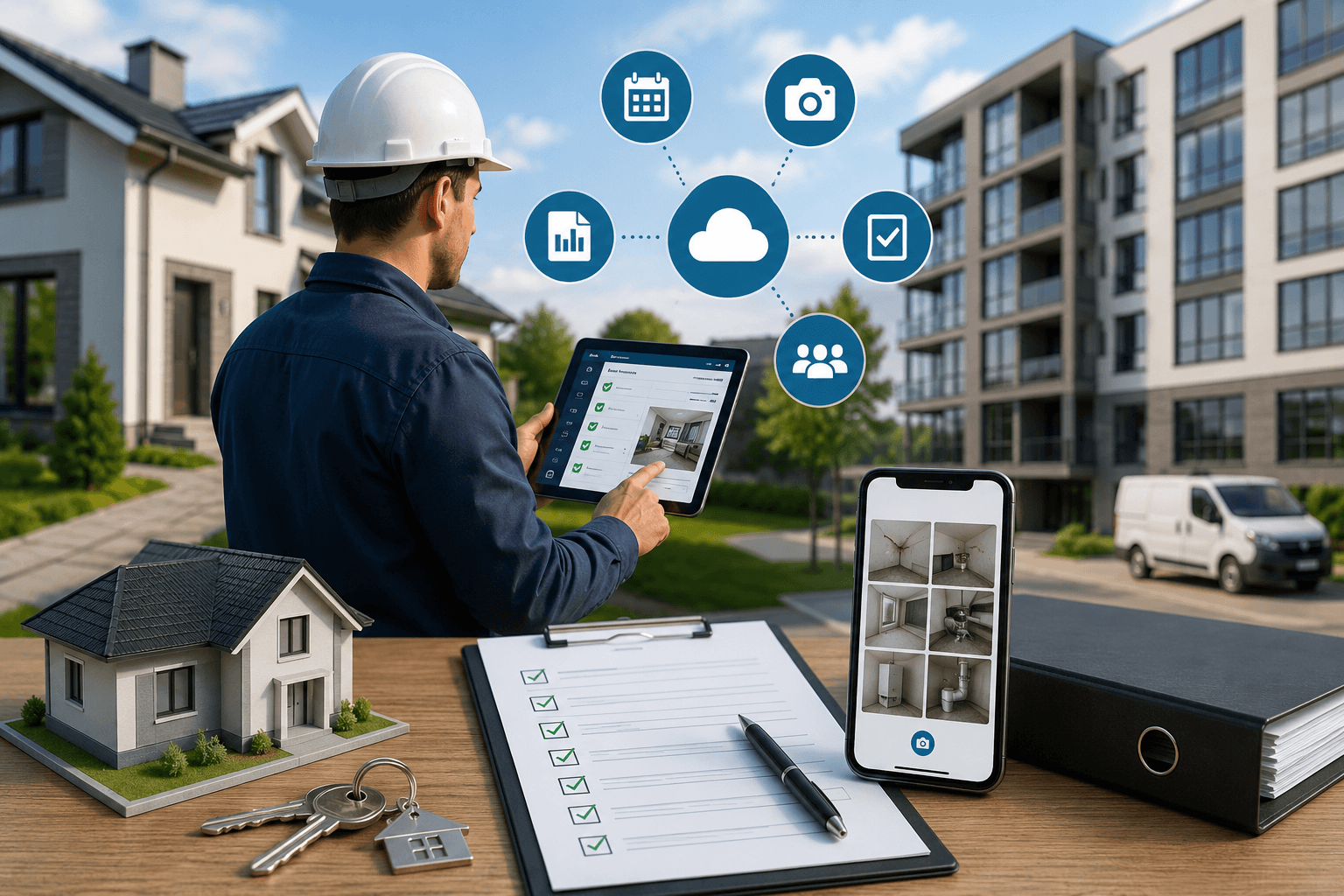
Managing inspections across multiple properties can become difficult when relying on spreadsheets, paper forms and manual processes. In today's competitive real estate market, many property managers are adopting digital tools to improve operational efficiency, streamline inspections and maintain accurate inspection records across residential and commercial properties.
Many businesses are now using commercial property inspection software to manage property inspections more effectively while improving communication between tenants, contractors and property management teams. Platforms such as Velappity help property managers standardize property inspections, generate detailed inspection reports and maintain up to date information across multiple property types.
Regular property inspections are a vital part of modern property management, helping responsible landlords protect their investment, maintain a rental property in good condition and identify safety concerns before they become costly repairs. As the real estate sector continues embracing digital solutions, property inspection software is becoming a critical task management tool for efficient property management and proactive maintenance planning.
What Is Property Inspection Software?
Property inspection software is a digital solution designed to help property managers conduct inspections, record inspection data and manage inspection reports through one centralized platform.
Modern inspection software replaces manual inspections and repetitive tasks with digitalized inspection form workflows that simplify data collection and report generation. Many property management companies now rely on inspection apps to improve communication, reduce manual data entry and save time across daily property management operations.
Platforms such as Velappity allow property managers to manage inspections remotely while accessing inspection records, historical data and real time reporting from mobile devices.
Most property inspection software offers features such as:
- Digital inspections
- Inspection reports
- Photo and video documentation
- Scheduling inspections
- Real time reporting
- Inspection checklists
- Inspection data storage
- Mobile access
- Report generation
- Property maintenance tracking
- Compliance documentation
- Other property management tools integration
These digital tools help property owners and property managers maintain consistent data while improving operational efficiency across modern property management workflows.
Why Property Managers Are Adopting Property Inspection Software
Many property management companies are adopting property inspection software because manual processes are often time consuming, inconsistent and difficult to scale.
Conducting inspections using paper forms can create delays in report generation, increase manual data entry and make it harder to access historical data when managing large portfolios of real estate assets.
Inspection software helps streamline inspections by providing property managers with up to date information from every inspection process. This allows teams to monitor a property's condition more effectively while improving communication between all parties involved.
Velappity helps property management operations become more efficient by supporting digital inspections, inspection records and real time updates across residential and commercial properties. Allowing property managers to access inspection reports instantly can significantly improve response times when dealing with maintenance issues or tenant concerns.
In a competitive real estate market, embracing digital solutions can also give property management companies a competitive edge when finding tenants and maintaining a well maintained property portfolio.
Improving Operational Efficiency Through Digital Inspections
Enhancing operational efficiency is one of the biggest benefits of adopting property inspection software.
Digital inspections help property managers standardize property inspections across multiple property types while reducing repetitive tasks and improving consistency during the inspection process. Inspection apps also help save time by reducing paperwork and manual admin tasks that often slow down property management operations.
Many inspection software platforms include automated scheduling tools that help with scheduling inspections and managing inspection timelines more effectively. Real time reporting also ensures inspection data remains accurate and up to date across all teams.
Velappity supports efficient property management by allowing teams to complete inspections directly from mobile devices while automatically storing inspection reports and visual evidence within one centralized system.
This helps property managers reduce costs while improving operational efficiency across large property portfolios.
Inspection Reports And Real Time Reporting
Inspection reports are one of the most important parts of the inspection process. Property managers need accurate documentation to monitor maintenance issues, maintain compliance and provide evidence if disputes occur.
Property inspection software offers digital report generation tools that simplify inspection reporting while improving accuracy. Inspection reports can include:
- Photo and video documentation
- Visual evidence of damage
- Maintenance observations
- Compliance checks
- Inspection data
- Historical data
- Property condition records
Using photos and video documentation during property inspections helps create stronger evidence in case of disputes while allowing property managers to track changes in a property's condition over time.
Velappity supports real time reporting and digital inspections that allow teams to instantly access inspection reports from multiple locations without relying on manual processes or paper-based systems.
Access inspection reports in real time also helps property managers respond faster to maintenance issues while improving tenant satisfaction and communication.
Preparing inspection reports with clear details, visual check evidence and maintenance records also helps improve communication between landlords, tenants and letting agents.
Reducing Costly Repairs Through Proactive Management
Regular property inspections help identify problems before they become larger and more expensive to fix. Proactive management is essential for reducing costly repairs and maintaining property value across residential and commercial properties.
Using a detailed property inspection checklist helps property managers assess the property's condition consistently across every inspection process while identifying small problems before they escalate into larger repairs.
Regular inspections also help ensure the property remains well maintained while supporting the general upkeep of the house, exterior areas, roof condition and heating systems.
Key areas typically covered during property inspections include:
- Structural integrity
- Roof condition
- HVAC systems
- Plumbing systems
- Electrical systems
- Windows and doors
- Dampness and mould
- Pest issues
- Fixtures and fittings
- Appliances
- Boiler performance
- Fire safety features
- Security concerns
Roof inspections should check for damaged or missing tiles while ensuring gutters remain clear of debris. Plumbing inspections should include leak detection and water pressure checks under sinks, while electrical systems should meet modern safety standards.
Conducting regular property inspections also allows landlords to inspect for signs of dampness, security concerns, maintenance issues and potential problems that may create safety risks for tenants.
Property inspection software helps property managers standardizing inspections while ensuring no important checks are missed during the inspection process.
Predictive maintenance strategies supported through inspection software can also help identify recurring maintenance issues before they lead to larger repair costs or tenant complaints.
Property Safety And Compliance Checks
Compliance management remains a major responsibility for property managers and landlords within the real estate sector.
Responsible landlords must ensure the property complies with applicable law and local regulations relating to fire safety, smoke alarms, carbon monoxide monitoring and tenant safety obligations.
Landlords are legally required to complete multiple safety checks including Gas Safety Certificates (CP12), Electrical Installation Condition Reports (EICR), smoke alarm testing and carbon monoxide alarm checks.
Regular safety compliance inspections also help ensure escape routes remain accessible while maintaining tenant safety standards across all property types.
Property inspection software helps property managers maintain inspection records, schedule recurring inspections and keep compliance documentation up to date through digital tools and automated workflows.
Alongside property inspections and compliance reporting, many commercial properties also require commercial fire door maintenance as part of wider building safety and legal compliance strategies.
Failure to address safety concerns or maintenance needs could expose landlords to legal action, tenancy disputes or compliance issues under evolving housing law and renters rights act requirements.
Property inspection reports also provide a written record that can help safeguard landlords and tenants if disputes arise during or after a tenancy agreement.
Enhancing Communication And Tenant Satisfaction
Enhancing communication between property managers, contractors and tenants is another important benefit of inspection software.
Digital inspections improve communication by giving all parties involved access to accurate inspection data, inspection reports and maintenance updates in real time.
Many property management software platforms also support seamless communication through automated notifications, report sharing and digital workflows that reduce delays during the inspection process.
Tenant satisfaction often improves when maintenance issues are identified and resolved quickly. Any issues discovered during property inspections should be addressed promptly to prevent further damage and maintain tenant confidence.
Property managers can also use inspection reports and visual evidence to improve transparency when discussing repairs, obligations and maintenance responsibilities with tenants.
This also helps property managers review repairs, monitor maintenance progress and address concerns more efficiently across the property portfolio.
Managing Modern Property Assets
Modern property management now extends beyond traditional buildings. Many property owners are also responsible for managing external structures, outdoor offices and additional property assets alongside residential or commercial properties.
As real estate assets become more diverse, digital inspections and centralized inspection software help property managers maintain consistent inspection records across all structures and property types.
This can include monitoring outdoor workspace additions and modern garden room spaces that may also require maintenance checks, inspection records and long term property management oversight.
Regular inspections should also cover exterior structures, garden buildings and outdoor workspaces to ensure the property remains safe, secure and well maintained over time.
Using one inspection software platform across multiple asset types helps property management companies maintain operational efficiency while reducing manual admin and repetitive tasks.
Conclusion
Property inspection software is transforming how property managers conduct inspections, manage inspection data and maintain compliance across modern real estate portfolios.
Platforms such as Velappity help property management companies improve operational efficiency through digital inspections, real time reporting and centralized inspection records that support proactive management and faster decision-making.
Regular property inspections remain essential for monitoring structural integrity, HVAC systems, plumbing, electrical systems, windows, doors and roof condition while identifying issues such as dampness, mould or pests before they become costly repairs.
Using digital inspection software also helps property managers maintain visual evidence through photo and video documentation while improving communication, tenant satisfaction and compliance reporting across commercial properties and residential portfolios.
Creating a consistent inspection checklist process helps landlords protect tenants, maintain safety standards and reduce risk across every property inspection.
Whether managing one house or multiple commercial properties, conducting regular inspections remains a key responsibility for protecting long term property value and maintaining efficient property management operations.
FAQ
What should property managers check during property inspections?
Property managers should inspect structural integrity, plumbing systems, electrical systems, roof condition and HVAC systems during every inspection process. Windows and doors should also be checked for rot, damage and secure locking mechanisms.
Roof inspections should include checking for missing or damaged tiles while ensuring gutters remain clear of debris. Property inspections should also identify issues such as dampness, mould, pests and damage to fixtures or fittings before they become more serious maintenance issues.
Why are regular property inspections important?
Regular property inspections help property managers and property owners identify maintenance issues early, preventing small problems from becoming costly repairs.
Routine inspections also help maintain tenant satisfaction, improve property maintenance standards and protect the long term value of real estate assets. Using property inspection software allows teams to maintain accurate inspection records while improving consistency across the inspection process.
How does property inspection software improve reporting?
Property inspection software improves report generation by replacing manual processes with digital inspections and real time reporting tools.
Inspection apps allow property managers to collect inspection data directly from mobile devices while generating detailed inspection reports that include photo and video documentation, visual evidence and historical data. This helps reduce manual data entry while improving operational efficiency and communication between all parties involved.
Why is photo and video documentation important during inspections?
Using photos and videos during property inspections provides strong visual evidence that can help resolve disputes between landlords and tenants. It also helps property managers track a property's condition over time and maintain up to date information across inspection records.
Detailed inspection reports supported by visual evidence are particularly useful when managing commercial properties or large real estate portfolios.
How does property inspection software support compliance?
Property inspection software helps property managers maintain inspection records, schedule recurring inspections and keep compliance documentation up to date.
Landlords are legally required to complete safety checks such as Gas Safety Certificates (CP12), Electrical Installation Condition Reports (EICR), smoke alarm testing and carbon monoxide alarm checks. Digital tools help streamline inspections while ensuring important compliance tasks are not missed.
What are the benefits of using a property inspection checklist?
Using a property inspection checklist helps document the property's condition before, during and after a tenancy. This protects both landlords and tenants by creating a written record that can support dispute resolution if damage claims arise later.
Regular inspections using standardized checklists also help property management companies identify maintenance issues early, reduce costs and maintain efficient property management operations.
Can property inspection software improve operational efficiency?
Yes. Property inspection software helps property managers save time by reducing repetitive tasks, manual inspections and paperwork.
Platforms such as Velappity help streamline inspections through digitalized inspection form workflows, real time reporting and centralized inspection data that improve operational efficiency across modern property management operations.
Do landlords need to give notice before inspections?
Yes. UK landlords are generally required to provide tenants with at least 24 hours' notice before conducting property inspections. This helps respect tenant privacy while allowing inspections to be scheduled at a convenient time for all parties involved.