How Apartment Buildings Are Solving the Package Delivery Problem
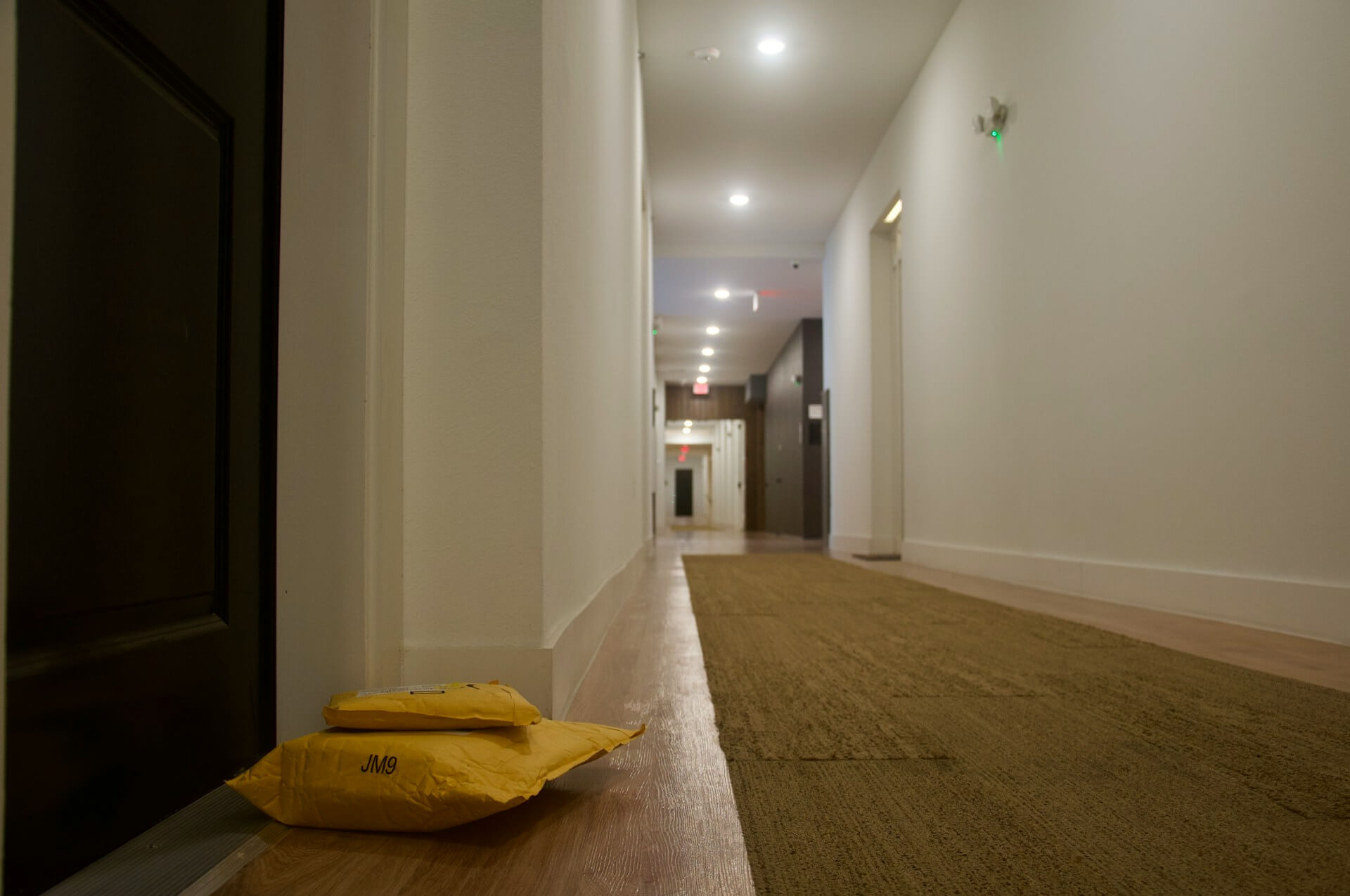
Package delivery has become one of the most common challenges in apartment buildings. Residents order more online, couriers arrive throughout the day, and property teams are expected to keep every item safe, organized, and easy to collect.
What used to be a simple front-desk task can now take up hours of staff time. Packages pile up in reception areas, storage rooms become crowded, residents ask for updates, and teams must manage disputes when items are delayed, misplaced, or collected by the wrong person.
For many properties, the solution starts with better parcel management. Apartment buildings are using a smart package management system to create a more reliable delivery process that supports both staff efficiency and resident satisfaction.
Package delivery is no longer a small convenience for apartment buildings. It has become a core part of the resident experience.
Why Package Delivery Has Become a Bigger Problem
Online shopping has changed what residents expect from apartment buildings. Deliveries may include clothing, groceries, electronics, medication, work equipment, furniture, legal documents, and subscription items. These packages arrive from different couriers, in different sizes, and at different times of day.
For property teams, this creates pressure in several ways.
| Package Challenge | Impact on Apartment Buildings |
|---|---|
| More daily deliveries | Staff spend more time receiving and sorting parcels |
| Multiple couriers | Drop-offs become harder to coordinate |
| Limited storage space | Package rooms and reception areas become crowded |
| Delayed resident pickup | Parcels remain uncollected for days |
| Manual records | Higher risk of lost or misidentified items |
| No proof of collection | Harder to resolve resident disputes |
When the process is not structured, packages can quickly become a source of frustration for residents and staff alike.
Manual Package Logs Are No Longer Enough
Many apartment buildings still use paper logs, spreadsheets, handwritten notes, or informal staff messages to manage deliveries. These methods may work for smaller properties with low delivery volume, but they become unreliable as the number of packages increases.
A paper log can be hard to search. A spreadsheet may not be updated immediately. A handwritten name may be difficult to read. A package may be moved from one shelf to another without anyone updating the record.
These small issues create bigger problems when residents come to collect their items. Staff may need to search through piles of parcels, check multiple notes, or ask colleagues whether they remember seeing a specific delivery.
A better process creates a clear record from the moment a package enters the building. Each item should be logged, assigned to a resident, placed in a known location, and tracked until collection.
Faster Resident Notifications Reduce Backlogs
One of the biggest causes of package room clutter is delayed collection. Residents may not know their package has arrived, or they may miss a manual message from the front desk.
Automated notifications can help solve this problem. Once a package is logged, the resident can receive an alert with clear collection instructions. This reduces the need for staff to send individual emails, make phone calls, or answer repeated questions.
| Notification Method | Common Issue | Better Alternative |
|---|---|---|
| Manual email | Easy to delay or overlook | Automated resident alert |
| Phone call | Time-consuming for staff | Digital notification |
| Paper slip | Can be lost or ignored | Real-time message |
| Verbal reminder | Depends on staff memory | System-generated reminder |
Secure Storage Is Becoming Essential
Package security is a major concern in apartment buildings. Residents trust property teams to keep deliveries safe until pickup. If packages are left in open areas or stored without clear records, the risk of theft, damage, or mistaken collection increases.
Apartment buildings are responding with more structured storage areas. Depending on the property's size and needs, this may include package rooms, lockers, shelves, cabinets, cages, or staff-only storage zones.
The most important feature is traceability. Staff should know where each package is stored and who is allowed to collect it.
Security Step & Why It Matters
- Logged receipt: Confirms the package entered the building
- Storage location record: Helps staff find the item quickly
- Resident notification: Reduces long-term storage
- Identity check: Prevents incorrect handover
- Proof of collection: Supports dispute resolution
Security does not only prevent theft. It also helps protect staff from blame when a delivery issue occurs.
Proof of Collection Helps Resolve Disputes
Delivery disputes are common in apartment buildings. A courier may mark a package as delivered. A resident may say they never received it. Staff may believe the item was collected, but there may be no record to prove it.
Without proof of collection, these situations are difficult to resolve.
A stronger Parcel Management Software process can support secure package handovers by helping teams record when a package is collected, who collected it, and whether any special notes apply.
Proof of collection can include a signature, timestamp, staff confirmation, photo, or recipient details. These records help property teams respond quickly when questions arise.
This is especially useful for high-value items, medical deliveries, work equipment, legal documents, and time-sensitive packages.
Staff Time Is a Hidden Cost
Package handling can take more staff time than property managers realize. Front-desk, concierge, leasing, and building management teams may spend hours each week receiving deliveries, logging items, sorting packages, sending notifications, answering questions, searching storage areas, and resolving complaints.
As delivery volume grows, this workload can interfere with other responsibilities.
Automation and better package workflows reduce repetitive tasks. Instead of manually messaging every resident, staff can log the package and allow the system to send an alert. Instead of searching through shelves, they can check a recorded storage location. Instead of relying on memory, they can review the collection history.
This helps staff provide better service without being overwhelmed by package volume.
Different Apartment Buildings Need Different Solutions
There is no single package delivery setup that works for every property. A small apartment building, a luxury high-rise, a student housing property, a serviced apartment, and a multi-building residential community all have different needs.
| Building Type | Likely Package Priority |
|---|---|
| Small apartment building | Simple logging and resident alerts |
| Luxury high-rise | Secure handover and premium resident service |
| Student housing | High-volume package processing |
| Serviced apartments | Fast turnover and clear guest communication |
| Multi-building community | Centralized visibility across locations |
The best solution fits the property's size, staffing model, storage space, and resident expectations. What matters most is having a process that is easy to follow and reliable under pressure.
Better Package Management Improves Resident Experience
Residents may not notice package management when it works well. They notice immediately when it fails.
A missing parcel, delayed notification, crowded package room, or slow collection process can quickly affect how residents feel about the building. In competitive rental markets, these details matter.
A smooth package process improves the resident experience by making deliveries easier to collect and easier to trust. Residents receive clear notifications. Staff can find packages quickly. Disputes are easier to resolve. Storage areas feel more organised.
Good package management can also reduce complaints and support resident retention. A building that handles deliveries well feels more professional, responsive, and convenient.
Package Data Helps Property Managers Plan Ahead
Package data can help apartment buildings make better operational decisions. Instead of guessing when the busiest periods happen, managers can review actual delivery patterns.
Useful metrics include:
| Metric | Why It Helps |
|---|---|
| Daily package volume | Shows workload trends |
| Peak delivery times | Helps schedule staff |
| Average pickup time | Reveals resident collection habits |
| Uncollected package count | Highlights storage pressure |
| Courier frequency | Supports delivery coordination |
| Package issue reports | Identifies recurring problems |
This data can guide decisions about staffing, storage design, resident communication, package room policies, and overflow planning.
For example, if reports show that packages pile up during weekends, the building may need new pickup rules or additional reminders. If certain couriers arrive during peak front-desk hours, staff can plan coverage more effectively.
Solving the Package Problem Starts With a Better Process
Apartment buildings cannot control how often residents order online or when couriers arrive. But they can control how packages are received, logged, stored, notified, and released.
The most successful properties are moving away from informal handling and building clear parcel workflows. They are using digital records, automated notifications, secure storage, proof of collection, and reporting to keep package delivery manageable.
As resident expectations continue to rise, package management will remain an important part of apartment operations. Buildings that solve the problem early can reduce staff workload, protect deliveries, improve resident satisfaction, and create a more organized living environment.
For apartment communities, better parcel management is no longer just an operational upgrade. It is part of delivering the reliable, modern resident experience people now expect.