Selling an Inherited Property: What to Know First
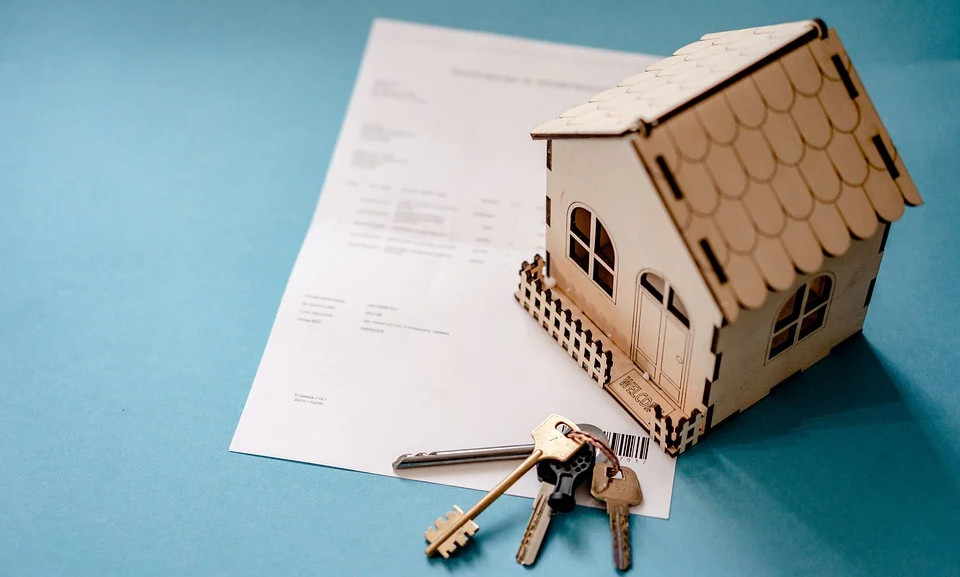
Inheriting a house sounds like a windfall, and sometimes it is. Just as often, it arrives with a tangle of decisions, costs, and emotions at a difficult time.
Many heirs decide the simplest path is to sell. If the home needs work or sits far away, you can sell inherited property in Chicago directly, without repairs or a long listing. Here is what to understand before you decide.
Why Is Selling an Inherited Home Complicated?
Because it is rarely just a transaction. Legal, financial, and emotional threads all run through it at once.
The paperwork comes first. Title, probate, and any outstanding debts on the property must be sorted before a sale can happen, and that takes time. Skipping a step can stall everything later.
Emotion is the quieter complication. A family home carries memories, and multiple heirs may not agree on what to do. Add a property that has sat empty or dated, and the practical questions pile up fast.
So an inherited home is a project, not a payday. Understanding the moving parts early makes every later choice easier.
What Should You Do First After Inheriting?
Work through a clear sequence before making any big move. Rushing leads to costly mistakes. The key first steps are:
- Confirm the title. Establish legal ownership through probate.
- Check for debts. Find any mortgage, liens, or unpaid taxes.
- Assess the condition. Understand what repairs it might need.
- Review the taxes. Learn how the inheritance is treated.
- Decide the goal. Keep, rent, or sell the property.
Each step builds on the last. You cannot sensibly choose an option until ownership and obligations are clear.
The title step is the one to start with. Until ownership is settled, none of the other decisions can move forward.
What Are Your Options for the Property?
Three main paths, each suiting a different situation. The right one depends on your finances and your appetite for hassle.

You can keep it, rent it, or sell it. Renting can generate income, but understanding rules like a tenancy at will matters before you become a landlord. Many heirs find managing a property in a different area more trouble than it is worth.
Selling is often the cleanest exit. It turns a complex asset into simple cash, and the basics of an inheritance are worth reading before you list. For a home that needs work, a direct sale skips the repairs entirely.
So the decision comes down to time and energy. Keeping suits the hands-on, while selling suits those who want closure.
How Do Taxes Work On an Inherited Home?
More kindly than many people fear, thanks to one key rule. The table below frames the essentials.
| Concept | What It Means |
|---|---|
| Stepped-up basis | Value resets to the date of inheritance |
| Capital gains | Often only on growth after you inherit |
| Estate tax | Applies only above high federal thresholds |
| Records | Keep the date-of-death valuation |
A few practical notes help:
- The stepped-up basis can cut a tax bill sharply.
- Federal estate tax only affects estates above several million dollars.
- Keep paperwork for at least 7 years after the sale.
Each point can save real money. Because estate tax and capital gains rules are detailed, a quick word with a tax professional is wise.
How Do You Sell an Inherited Property Quickly?
Through a route built for speed and simplicity. A direct cash sale removes most of the usual friction.
It avoids the prep work. There is no need to renovate, stage, or fund repairs on a home you may never have lived in, and a buyer can purchase it as-is. That is a relief when several heirs just want to move on.
It also closes fast. A direct sale can wrap up in days, and clearing it out can be coordinated around your timeline. Settling the estate quickly often matters more than squeezing out the last dollar.
So a fast sale suits the inherited-home situation well. It trades a little price for a lot of peace of mind.
What to Keep In Mind
An inherited home brings legal, financial, and emotional layers.
- Sort title, debts, and condition before deciding anything.
- Keeping, renting, and selling each suit different heirs.
- The stepped-up basis often softens the tax impact.
- A direct as-is sale is the quickest way to move on.
Turning an Inheritance Into a Fresh Start
An inherited property does not have to become a long-term burden. Sort the legal basics, understand the gentle tax treatment, and weigh keeping against selling with clear eyes. For many heirs, a fast, as-is sale turns a complicated asset into a clean fresh start. Take the steps in order, lean on a professional where needed, and the process becomes far less daunting than it first appears.
Frequently Asked Questions
Do I Have to Pay Tax When I Sell an Inherited House?
Often less than expected, thanks to the stepped-up basis. This resets the property's value to its worth on the date you inherited it, so you typically owe capital gains only on growth after that point. Estate tax applies only to very large estates. A tax professional can confirm your specific situation before you sell.
How Long Does It Take to Sell an Inherited Property?
It depends on the route. A traditional listing can take months, especially if the home needs repairs or probate is still ongoing. A direct, as-is cash sale can close in days once ownership is settled. Sorting the title and any debts early is the biggest factor in how quickly you can sell.
Can I Sell an Inherited House That Still Needs Probate?
Usually not until probate establishes legal ownership, though the timeline varies by state. You can prepare during the process by gathering documents and assessing the home. Once probate confirms you as the owner, the sale can proceed. A direct buyer experienced with inherited properties can often guide you through the steps.
Should I Renovate an Inherited Home Before Selling?
Not necessarily. Renovations cost time and money you may not want to spend on a property you are leaving behind. Selling as-is to a cash buyer skips the repairs entirely and speeds up the sale. Compare the likely return on any work against a straightforward as-is offer before committing to a renovation.