Why Plumbing Reliability Matters in Apartment Living and Rental Properties
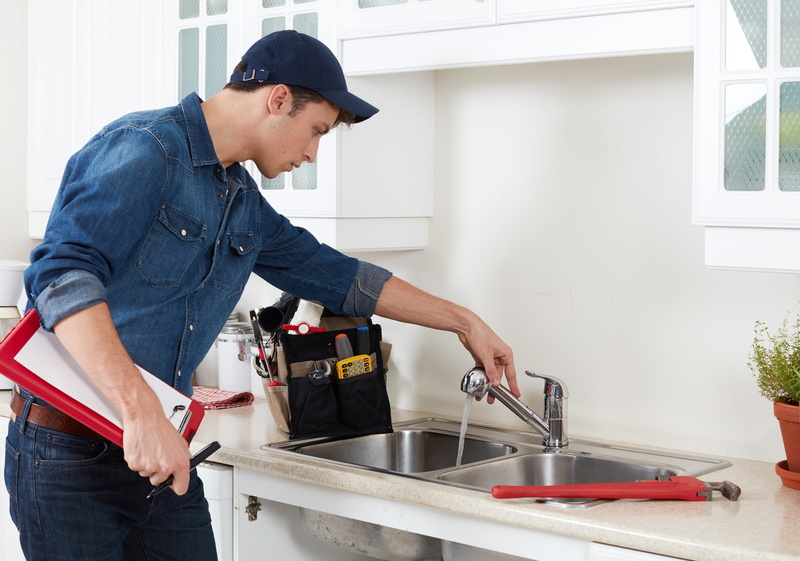
Apartment living is often associated with convenience, predictable expenses, and simplified maintenance. However, behind the scenes of every well-functioning rental property lies a system that directly affects tenant satisfaction and long-term property performance. Plumbing reliability plays a crucial role in how residents experience their apartments and how property owners protect their investments.
In multi-unit buildings, plumbing systems operate under constant demand. Water usage is higher, drainage systems are shared, and even minor issues can quickly escalate if not addressed properly. For renters, plumbing problems disrupt daily routines. For property managers and landlords, they can lead to costly repairs and reputational damage.
Plumbing as a Core Element of Tenant Comfort
Tenants expect consistent water pressure, reliable hot water, and functional drains as basic living standards. When these expectations are met, residents rarely think about plumbing at all. When they are not, dissatisfaction grows rapidly.
Leaking faucets, slow drains, or inconsistent water temperatures may seem minor, but over time they influence how tenants perceive the overall quality of a property. In competitive rental markets, these details often determine whether tenants choose to renew leases or look elsewhere.
Shared Systems, Shared Risks
Unlike single-family homes, apartment buildings rely on interconnected plumbing systems. A single issue in one unit can affect multiple apartments if not handled promptly. Pipe blockages, aging infrastructure, or unnoticed leaks can result in water damage that spreads vertically or horizontally through a building.
For property owners, this interconnected nature increases risk. Preventive inspections and timely maintenance help reduce emergencies and protect the structural integrity of the building. Proactive plumbing management is far less expensive than responding to large-scale failures.
Plumbing and Property Management Efficiency
Effective property management depends on minimizing unexpected disruptions. Plumbing issues are among the most common reasons for emergency maintenance requests. Each incident consumes time, labor, and financial resources.
Buildings with well-maintained plumbing systems experience fewer emergency calls and smoother operations. This stability benefits everyone involved — tenants enjoy uninterrupted living conditions, while managers maintain predictable maintenance schedules and budgets.
Long-Term Value of Well-Maintained Plumbing
From an investment perspective, plumbing quality directly impacts property longevity. Water damage remains one of the leading causes of structural deterioration in residential buildings. Left unchecked, plumbing failures can compromise walls, flooring, and foundational elements.
Maintaining plumbing systems helps preserve property value and reduces long-term capital expenditures. Buildings with strong maintenance histories are also more attractive to future buyers and investors, as they signal responsible ownership and reduced risk.
The Role of Professional Plumbing Services
While minor issues may appear manageable, complex apartment plumbing systems require professional expertise. Licensed plumbers understand code requirements, pressure balancing, drainage design, and safety standards necessary for multi-unit properties.
Access to experienced professionals allows property managers and owners to identify vulnerabilities before they become emergencies. For those interested in learning more about residential plumbing services and maintenance considerations, you can check it out here: https://www.flyplumbing.com/
Plumbing and Tenant Retention
Tenant retention is closely tied to living experience. Apartments that consistently deliver reliable utilities foster trust and comfort. When residents feel confident that maintenance issues will be handled quickly and correctly, they are more likely to stay long-term.
Reduced tenant turnover benefits landlords by lowering vacancy rates, marketing costs, and administrative workload. In this way, plumbing maintenance contributes not only to comfort but also to financial performance.
A Practical Advantage in Competitive Rental Markets
In cities with active rental markets, properties compete not only on price but also on reliability. Apartments known for frequent maintenance issues quickly develop negative reputations, while well-managed buildings earn positive word-of-mouth and online reviews.
Plumbing reliability may not be visible in listing photos, but it becomes apparent through daily use. Properties that invest in infrastructure improvements often outperform comparable units that rely solely on cosmetic upgrades.
Final Perspective
Plumbing systems are fundamental to successful apartment living and rental property management. They support tenant comfort, protect building integrity, and contribute to long-term investment stability. For renters, reliable plumbing ensures a consistent quality of life. For owners and managers, it reduces risk and operational stress.
Treating plumbing as a strategic asset rather than a reactive expense leads to stronger properties, happier tenants, and better long-term outcomes in the rental housing market.
Published 1/29/26