Why Multi-Unit Apartment Buildings Are More Vulnerable to Hidden Drain Backups - And How Landlords Can Prevent Costly Damage
Drain backups are disruptive in any property, but in multi-unit apartment buildings, they can escalate into major structural and financial problems far faster than most landlords expect. Unlike single-family homes, apartment buildings rely on interconnected plumbing systems that serve dozens or even hundreds of residents at once. When something goes wrong, the impact rarely stays confined to one unit. Understanding why apartment buildings are especially vulnerable to hidden drainage issues is the first step toward preventing costly repairs, tenant complaints, and potential liability.
The Complexity of Shared Drainage Systems
In a detached home, plumbing lines typically serve one household. In an apartment building, multiple units share vertical stacks and horizontal branch lines. These interconnected systems create a chain reaction effect.
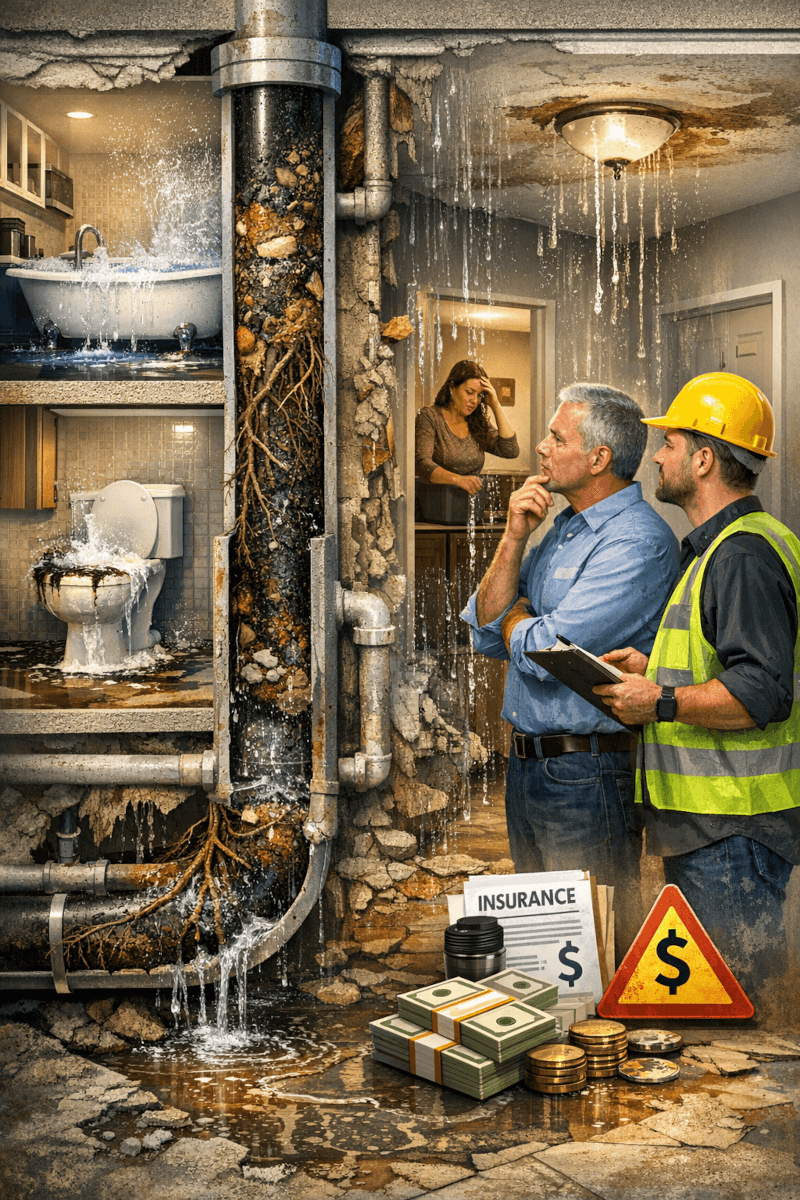
If one tenant improperly disposes of grease, wipes, or foreign objects, the blockage can develop inside a shared line. The problem may remain hidden for weeks or months as debris slowly accumulates. Eventually, wastewater has nowhere to go and backs up into lower units, often through bathtubs, floor drains, or toilets.
Because drainage lines are shared, one tenant's behaviour can affect an entire section of the building. Landlords often discover the issue only after visible water damage appears, by which time multiple units may already be impacted.
Aging Infrastructure Increases Risk
Many apartment buildings, particularly those constructed decades ago, rely on aging cast iron or clay piping. Over time, these materials corrode, crack, or shift due to soil movement and temperature changes. Inside the pipes, rough surfaces collect debris more easily, increasing the likelihood of slow-moving clogs.
Tree root intrusion is another common issue in older buildings. Roots seek moisture and can enter through small cracks or loose joints. Once inside, they expand and trap waste material, leading to gradual but inevitable backups.
Because these failures develop out of sight, landlords may not realize a problem exists until sewage appears inside occupied units.
High Water Usage Amplifies Small Problems
Apartment buildings experience significantly higher water usage compared to single-family homes. More residents mean more showers, laundry cycles, dishwashing, and toilet flushing. Even a minor partial blockage can quickly become overwhelmed under constant demand.
In a single residence, a slow drain might cause inconvenience. In a multi-unit property, that same restriction can trigger recurring backups affecting multiple floors. Continuous water flow places pressure on weakened joints and aging connections, increasing the risk of leaks within walls or ceilings.
The larger the building, the more strain the drainage system endures daily.
Limited Access Makes Detection Difficult
Another challenge with apartment plumbing systems is accessibility. Pipes often run behind finished walls, under concrete slabs, or through ceiling cavities between units. Unlike a house, where much of the plumbing layout is easier to trace, apartment systems are layered and concealed.
This makes early detection difficult. By the time residents report foul odours, gurgling drains, or slow flushing toilets, the blockage may already be significant.
Without proactive inspection, hidden drainage issues can remain undetected until they cause visible damage such as stained ceilings, warped flooring, or mould growth.
The Financial Impact of Drain Backups
Drain backups in apartment buildings can lead to:
- Property damage to multiple units
- Emergency restoration and sanitation costs
- Tenant relocation expenses
- Lost rental income
- Insurance claims and increased premiums
- Potential legal disputes
Water damage spreads quickly through ceilings and walls. Even a small backup on an upper floor can impact several apartments below. Cleanup often requires professional drying equipment, removal of drywall, and replacement of flooring materials.
Preventive maintenance is almost always less expensive than emergency remediation.
How Landlords Can Reduce the Risk
While multi-unit buildings have inherent vulnerabilities, there are clear strategies landlords can use to reduce the likelihood of hidden drain failures.
Schedule Routine Drain Inspections
Periodic camera inspections allow property owners to see inside drainage lines without excavation or demolition. These inspections identify buildup, root intrusion, pipe corrosion, and structural weaknesses before they escalate.
Working with experienced building drainage specialists can provide detailed assessments of shared plumbing systems and help establish a preventative maintenance schedule tailored to the property's age and occupancy level.
Implement Preventive Cleaning
Hydro jetting or mechanical cleaning of main lines can remove grease, sediment, and debris before a full blockage develops. For buildings with a history of clogs, scheduled cleaning every one to two years can significantly reduce emergency incidents.
Preventative cleaning is especially important in properties with high tenant turnover, where disposal habits vary.
Educate Tenants on Proper Usage
Tenant behaviour plays a major role in drainage health. Providing clear guidelines about what should not be flushed or poured down drains can reduce unnecessary strain on shared systems.
Common problem items include cooking grease, disposable wipes, paper towels, hygiene products, and cat litter. Simple communication, such as move-in information sheets or posted reminders, can make a noticeable difference.
Address Slow Drains Immediately
Slow drainage, bubbling sounds, and sewer odours are early warning signs. Encouraging tenants to report minor issues promptly allows maintenance teams to investigate before a full backup occurs.
Delays often transform manageable problems into expensive emergencies.
Evaluate Aging Infrastructure
If a building is several decades old and has recurring drainage issues, it may be time for a more comprehensive assessment. Partial pipe replacements, lining solutions, or system upgrades can improve long-term reliability.
Proactive infrastructure planning protects both the property and tenant satisfaction.
Environmental and Health Considerations
Beyond structural damage, drain backups present environmental and health risks. Wastewater exposure can introduce harmful bacteria and contaminants into living spaces. Mould growth may follow water intrusion, affecting indoor air quality.
Maintaining a healthy drainage system is not only about protecting property value but also about safeguarding residents.
Sustainable plumbing practices, such as water-efficient fixtures and proper system maintenance, also reduce strain on municipal infrastructure and lower utility costs over time.
A Preventive Mindset Protects Investments
Multi-unit apartment buildings operate as interconnected systems. When drainage fails, the impact rarely remains isolated. The combination of shared lines, aging materials, heavy usage, and concealed infrastructure makes apartment properties more vulnerable to hidden backups than many landlords realize.
However, vulnerability does not mean inevitability.
Routine inspections, preventative cleaning, tenant education, and strategic upgrades dramatically reduce risk. Taking a proactive approach to drainage maintenance protects rental income, preserves property value, and minimizes disruption for residents.
For landlords and property managers, the key lesson is simple. Hidden drain problems rarely appear without warning. The signs are there for those who choose to look early rather than respond late.
By prioritizing preventative maintenance and working with knowledgeable professionals, property owners can avoid the costly consequences of unexpected drain backups and keep their buildings functioning smoothly for years to come.