Apartment Plumbing Issues: What Renters and Property Owners Should Know
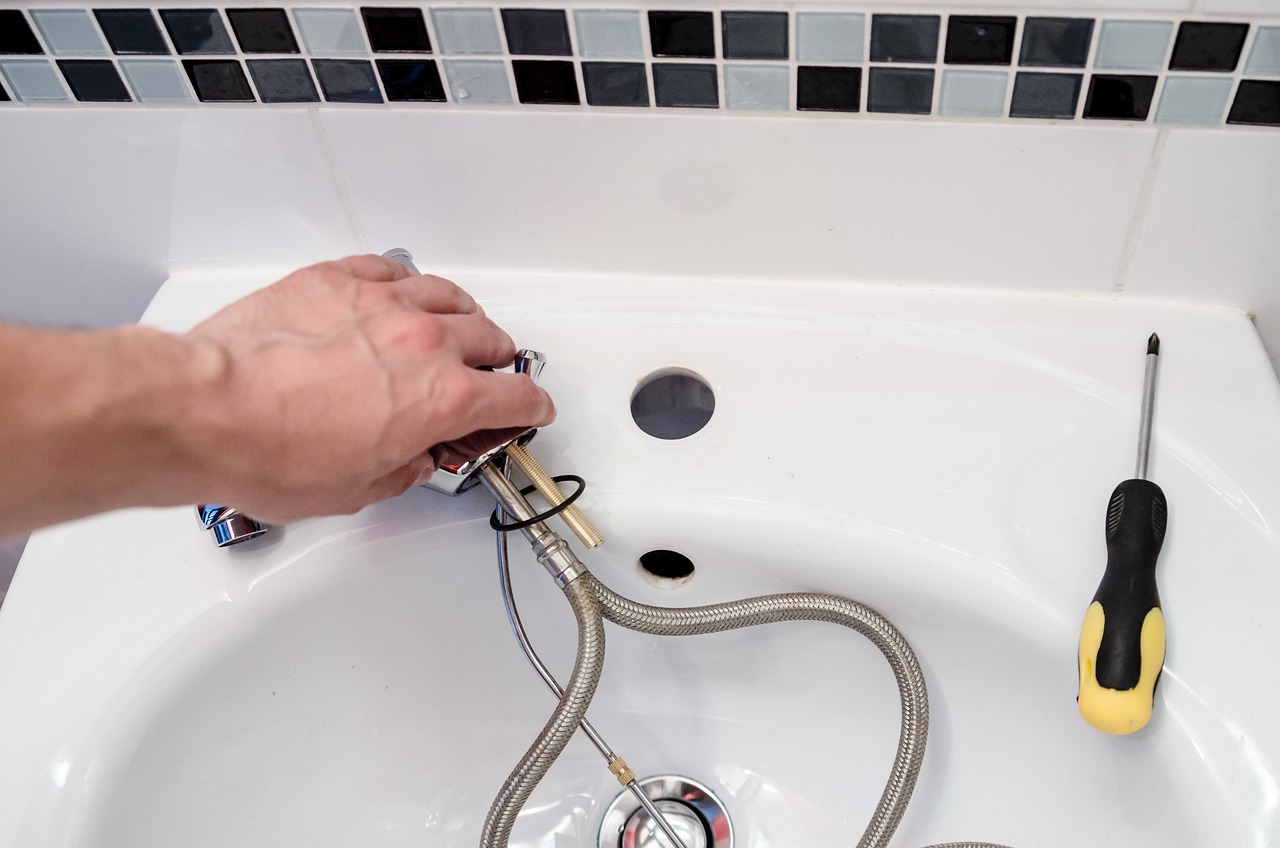
Apartment living offers convenience, shared amenities, and predictable maintenance responsibilities, but plumbing problems remain one of the most common and disruptive issues in multi-unit residential buildings. From slow drains to sudden pipe leaks, system failures can quickly affect not just one apartment, but several units at once. Understanding the most frequent challenges and knowing when professional assistance is necessary can help both tenants and property owners avoid unnecessary stress, expenses, and disruptions.
Common Plumbing Problems in Apartment Buildings
One of the most frequent issues in apartment complexes is clogged drains. Kitchens and bathrooms are especially vulnerable due to grease, food debris, soap residue, and hair buildup. While minor clogs may seem manageable, recurring blockages often indicate deeper problems within a shared drainage system.
Another widespread concern is leaking pipes. Older apartment buildings, in particular, may have aging infrastructure where corrosion, loose fittings, or temperature fluctuations cause small leaks that go unnoticed for extended periods. Over time, these leaks can lead to water damage, mold growth, and increased utility costs if not addressed promptly.
Low water pressure is also a common complaint among apartment residents. This issue may result from mineral buildup inside pipes, partially closed shut-off valves, or system-wide conditions affecting multiple units. Although it may appear minor, inconsistent pressure can signal more serious underlying problems.
Why Apartment Plumbing Requires Professional Attention
Unlike single-family homes, apartment buildings rely on interconnected systems. A problem in one unit can easily impact neighboring apartments above or below. Attempting do-it-yourself repairs without understanding the building's layout may temporarily hide the issue while allowing damage to spread unseen.
Professionals who work with multi-unit residential systems are trained to identify root causes rather than treating isolated symptoms. They use specialized tools to locate hidden leaks, assess shared lines, and resolve drainage issues with minimal disruption to residents. Early professional involvement often prevents emergencies and costly repairs.
For property owners and managers overseeing apartment buildings, working with reliable building service specialists helps ensure that infrastructure-related concerns are handled efficiently and in accordance with building requirements.
Preventive Plumbing Tips for Apartment Living
Preventive maintenance plays a major role in reducing plumbing emergencies. Tenants should avoid disposing of grease, coffee grounds, and non-flushable items down drains. Simple habits such as using drain strainers and reporting small leaks early can significantly extend the lifespan of shared systems.
Property managers can further reduce risk by scheduling routine inspections to identify wear and tear before it develops into larger issues. Preventive maintenance protects the building, improves tenant satisfaction, and lowers long-term repair costs.
When to Act Quickly
Certain warning signs require immediate attention. Water stains on ceilings or walls, unexplained increases in water bills, sewage odors, or persistent backups should never be ignored. Addressing these issues early helps prevent structural damage and minimizes inconvenience for residents.
Final Thoughts
Plumbing systems form the foundation of any apartment building, yet they are often overlooked until problems arise. By understanding common issues, recognizing early warning signs, and relying on appropriate professional support when necessary, both renters and property owners can maintain a safe, comfortable, and functional living environment.
Proactive infrastructure care is not only about resolving emergencies — it is an essential part of responsible apartment management and long-term property preservation.
Published 12/16/25