9 Steps to Protect Your Apartment from Water Damage
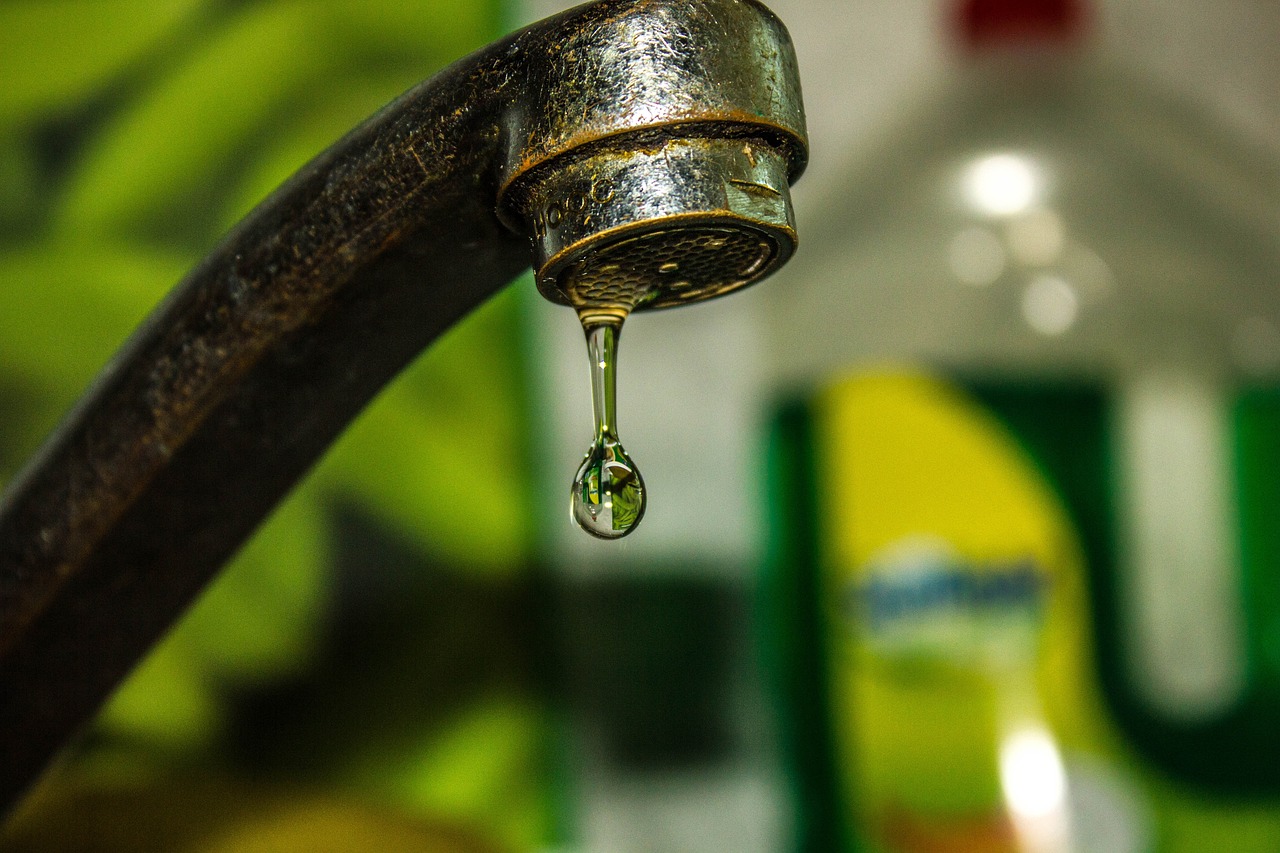
Water rarely offers a warning before it seeps inside, and you are the one left mopping up the surprise. Spend a few minutes on the right inspections, quick fixes, and smart gadgets now, and you will keep drips from turning into indoor ponds.
If trouble is already rippling across your floors, the practical guides at Water Damage Specialist outline what to do next and when to bring in extra help before costs skyrocket.
Locate the Main Water Stopcock
Knowing where your apartment's main shut-off valve is located is the fastest way to stop a sudden leak from becoming a disaster.
- Find the valve today - Look under kitchen sinks, inside bathroom cabinets, behind the washing machine, or near the water heater in older buildings.
- Label it clearly - Bright tape or a tag lets roommates, guests, or pet sitters react instantly when they hear rushing water.
- Test quarterly - Close and reopen the valve to keep mineral deposits from freezing the mechanism and to remind everyone where it is.
- Snap a photo - Store the image on your phone and share it with frequent visitors so no one wastes precious minutes searching during an emergency.
Invest five quiet minutes in this task now and you can avoid thousands in potential repair bills, insurance deductibles, and ruined belongings later.
Install a Flo Smart Shut-Off Valve
A smart shut-off valve automatically closes your water supply when it detects abnormal flow, buying you time even if leaks happen while you are traveling or asleep.
How the technology works
The inline device samples pressure, flow rate, and temperature in real time, using algorithms to distinguish normal dishwasher cycles from pipe bursts.
Professional versus DIY installation
A licensed plumber can usually complete the job in under two hours, yet confident DIYers with basic tools can follow the manufacturer's step-by-step app tutorial.
Insurance savings potential
Many carriers offer premium discounts because continuous monitoring lowers claim probability. Ask your provider whether a smart shut-off qualifies.
Pairing with voice assistants
Integration with Alexa or Google Home allows you to say, "Turn off the water," when leaving for vacation, adding convenience to leak protection.
Add Honeywell Leak Sensors
Strategically placed spot sensors from Honeywell send phone alerts the moment moisture touches their metal contacts, catching drips long before drywall stains appear.
- Cover high-risk zones - Slide sensors behind the fridge, under every sink, beside the toilet, and under the washing machine's drain pan.
- Link to Wi-Fi- The Honeywell Home app tracks temperature and humidity trends, complementing alerts with data on mold-friendly conditions.
- Check batteries yearly - Replace cells before they fail; the low-power chirp is easy to miss.
- Upgrade to a hub - In multi-unit buildings, a central hub can trigger a shut-off valve for hands-free protection.
For full specifications, visit the manufacturer's resource page at Honeywell Home and compare packages that suit your square footage.
Upgrade with Phyn Plus
Phyn Plus analyzes pressure waves 240 times per second, distinguishing a running faucet from a pinhole leak and shutting water off automatically in emergencies.
Advanced pressure analytics
The system builds a signature for each fixture, learning your usage patterns and flagging anomalies such as slow slab leaks hidden in walls.
App-based insights
You will see daily consumption totals, fixture-specific histories, and conservation tips; many residents trim monthly utility bills within weeks.
Simple maintenance reminders
Push notifications prompt you to winterize outdoor spigots or flush your water heater, turning the device into a proactive home-health coach.
Working with plumbers
Because Phyn stores detailed event logs, technicians diagnose chronic issues faster, reducing exploratory wall cuts and service hours.
Inspect Faucets and Hoses
Rubber supply lines and faucet O-rings degrade quietly; a five-minute visual inspection each season prevents ruptures that always seem to strike at night.
- Look for telltale signs - Rust on hose connectors, calcification around faucet bases, or bulging washer hoses indicate imminent failure and deserve immediate replacement.
- Swap to braided stainless - Stainless-steel hoses resist kinks and bursting better than rubber, making them an inexpensive upgrade that often outlasts the appliance itself.
- Tighten every connection - A quarter-turn with adjustable pliers usually stops slow weeps, but avoid overtightening which can strip threads or crack plastic fittings.
Maintain Gutters and Downspouts
Even in an apartment, clogged building gutters can backflow onto balconies, siding, and window seals, eventually dripping into your unit during heavy storms.
- Coordinate with management - Ask for the cleaning schedule and document overflow incidents so maintenance prioritizes problem areas.
- Inspect after storms - From the ground, look for water cascading over edges or staining brickwork, clues that debris still blocks downspouts.
- Add splash blocks - Deflectors beneath downspout exits keep pooled water from seeping through foundation cracks and into storage rooms.
- Request gutter guards - Mesh covers reduce leaf buildup and lower maintenance costs, a selling point many property owners appreciate.
Diligent gutter care, endorsed by experts, keeps exterior moisture from becoming an interior headache.
Prevent Freezing Interior Pipes
Frozen pipes expand and split, unleashing torrents when they thaw; insulation and temperature control are cheaper than drywall demolition and mold remediation.
- Insulate exposed runs - Foam sleeves slide over copper or PEX lines behind sink cabinets, in laundry closets, and along exterior walls, trapping heat where drafts linger.
- Let faucets drip - During polar snaps, a pencil-thin stream keeps water moving, reducing the chance of ice formation while relieving pressure if partial freezing occurs.
- Open cabinet doors - Allowing warm room air to circulate around plumbing under sinks raises pipe temperature several crucial degrees on the coldest nights.
Monitor the Monthly Water Bill
Spikes in usage often precede visible damage; scrutinizing your bill turns it into a detective tool that signals hidden leaks behind walls or under flooring.
- Compare to historical averages - Chart the last twelve months; any unexplained jump of ten percent or more merits a closer look at toilets, irrigation timers, and appliance seals.
- Calculate per-capita use - The Environmental Protection Agency pegs normal household consumption at about 82 gallons per person daily; numbers beyond that flag potential waste.
- Add a smart monitor - Devices like Flume clip onto the meter, delivering real-time flow data and custom budget alerts that outperform static utility statements.
Seal Cracks and Gaps
Water follows the path of least resistance, which might be a hairline gap where balcony slabs meet walls or aging caulk around the tub.
- Inspect exterior joints - Focus on windows, sliding doors, and HVAC penetrations where wind-driven rain can infiltrate.
- Use flexible sealant - High-quality silicone or polyurethane stays elastic, accommodating seasonal expansion without pulling away.
- Refresh bathroom caulk - Mildewed or shrinking lines invite shower spray behind tiles, eventually discoloring ceilings below.
- Check flooring transitions - Thresholds at entryways or balconies may need new weatherstripping to keep spillover from seeping under hardwood.
One weekend of sealing each year limits moisture intrusion, deters pests, and even boosts energy efficiency by blocking drafts along with water.
Final Safeguard
Your diligence does not end with installation or inspection; it continues every time you listen for drips and scan for stains. Act on subtle changes immediately and document what you discover. If moisture wins a round, seek professional help; Water Damage Specialist's experts can stop the spread and salvage your space.
Published 12/2/25