Best Termite Prevention Tips for Long-Term Home Protection
Termites are one of those problems you rarely see coming, but once they're in, the damage can be huge. These tiny pests work silently, often eating away at wooden structures from the inside out. By the time you notice the signs, the repairs can already cost a fortune. That's why prevention is so important. Acting early can save your home and your wallet. In this blog, we'll walk you through simple, practical termite prevention tips you can use to protect your space and avoid hidden damage down the road. Let's get started.
Understanding Termites and How They Function
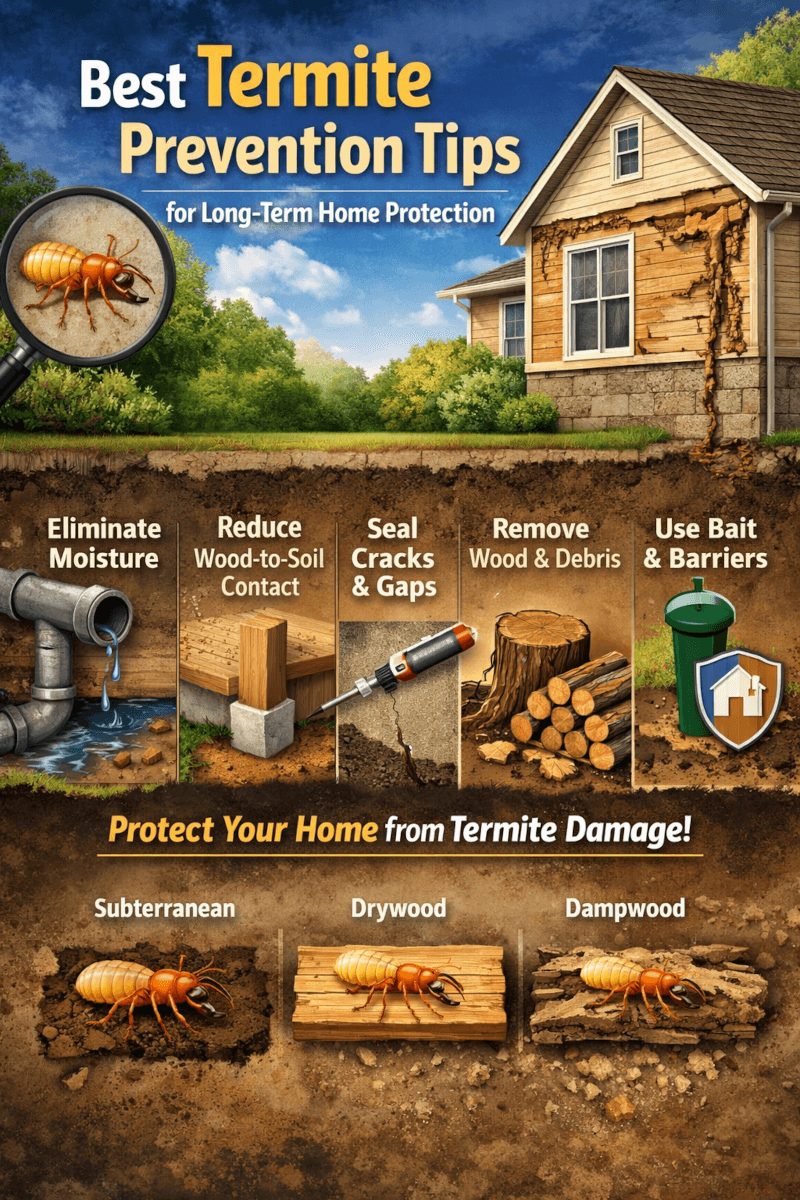
Termites are small but destructive insects that feed on wood and other plant-based materials. They often invade homes in search of moisture and a steady food source. If left unchecked, termites can cause serious damage to wooden structures, furniture, and even books or insulation. The most common types found in homes are subterranean termites (which build nests underground), drywood termites (which live in dry wood without needing contact with soil), and dampwood termites (which prefer moist, decaying wood). Each type behaves a little differently, but all can silently eat away at your home without being noticed for months.
Termites usually enter homes through cracks in the foundation, gaps in walls, or even via wooden structures that touch soil. Look out for early warning signs like mud tubes on walls or foundation surfaces, hollow-sounding wood, or discarded wings near windows and doors. You might also notice blistered or bubbling paint or ceiling wood that feels soft or sounds hollow when tapped. These are all signs that termites in ceiling beams or other areas may already be active. Catching these clues early can help prevent long-term damage and save on costly repairs.
Core Termite Prevention Tips
Here are some simple steps you can take to keep termites away from your home.
1. Eliminate Moisture Around the Home
Termites love damp spaces, so your first line of defence is to keep your home dry. Fix any leaking pipes, taps, or AC condensation lines without delay. Check your roof and gutters for leaks and repair them to avoid water build-up. Make sure the land around your home slopes away from the foundation so that rainwater drains properly. If you have a basement or crawl space, keep it well-ventilated to prevent damp air from settling in.
2. Reduce Wood-to-Soil Contact
When wood touches the soil, it creates the perfect pathway for termites to enter your home. Try to maintain a clear, visible gap between the ground and any wooden parts of the structure. Avoid placing deck posts, siding, or wooden door frames directly on the soil. It's also a good idea not to bury wood scraps or construction debris near your home, as they can attract termites over time.
3. Remove Food Sources and Clutter
Termites feed on wood, cardboard, and even paper. So it's smart to keep these materials far from your house. Stack firewood at least a few feet away and off the ground. Clear out tree stumps, fallen branches, and wood scraps from your garden or backyard. If you store things in basements or storage areas, avoid keeping cardboard boxes where it's damp. A clean and clutter-free space makes it harder for termites to settle in.
4. Seal Cracks and Entry Points
Termites can sneak in through tiny gaps, so sealing those up is important. Use caulk to close off cracks in your home's foundation and gaps in walls. Also seal areas around utility lines and water pipes. For vents and crawl space openings, install metal mesh screens to block termite entry while allowing airflow.
5. Smart Landscaping Practices
Be careful about what you place near the foundation. Instead of using wood mulch right up against the wall, switch to gravel or stone. Trim plants and shrubs so they don't touch your exterior walls, as overgrowth can trap moisture. Keep the soil level lower than the foundation line so that any termite activity becomes easier to spot.
Preventive Systems and Treatments
Here are some preventive systems and treatments that offer long-term protection against termites.
1. Professional Termite Inspections
Getting a termite inspection by a licensed pest control expert once a year can save you a lot of trouble later. Professionals look for signs of termites, moisture issues, wood damage, and entry points that you might miss. Their trained eyes and specialised tools can help detect early activity before it turns into major damage.
2. Preventive Barrier Treatments
Barrier treatments act like invisible shields around your home. These include applying termiticides to the soil around the foundation to block termite entry. If you're building a new home, pre-construction treatments offer long-lasting protection from the start. Depending on your preferences, you can choose between chemical treatments or non-chemical options like sand or steel mesh barriers.
3. Termite Bait and Monitoring Systems
Bait stations are placed in the soil around your property and work by attracting termites to a slow-acting poison. As termites share the bait, the colony gradually weakens. These systems are useful in detecting termite activity before it becomes severe. Regular monitoring ensures early intervention and helps reduce the risk of major damage.
Closing Thoughts
Keeping termites away is really about building simple habits that protect your home over time. When you stay on top of moisture issues, keep the surroundings clean, and fix small gaps early, you make your house a much harder target for termites. You do not need to do everything at once. Start with a few changes and keep improving over time. These small steps today can help you avoid big repair problems tomorrow.
FAQs
1. How can I prevent termites naturally at home?Fix moisture problems, keep wood away from soil, seal small cracks, improve airflow, and keep your yard clean and dry.
2. What attracts termites to a house?Damp areas, leaking pipes, wood touching the ground, poor drainage, stored firewood, and untreated wood often attract termites.
3. How often should I inspect my home for termites?Do a quick home check every few months and get a professional inspection once a year.
4. Can I completely termite-proof my home?No home is fully termite-proof, but regular prevention and inspections can greatly lower the risk.