Why Demand-Based Parking Rates Outperform Simple Flat Pricing
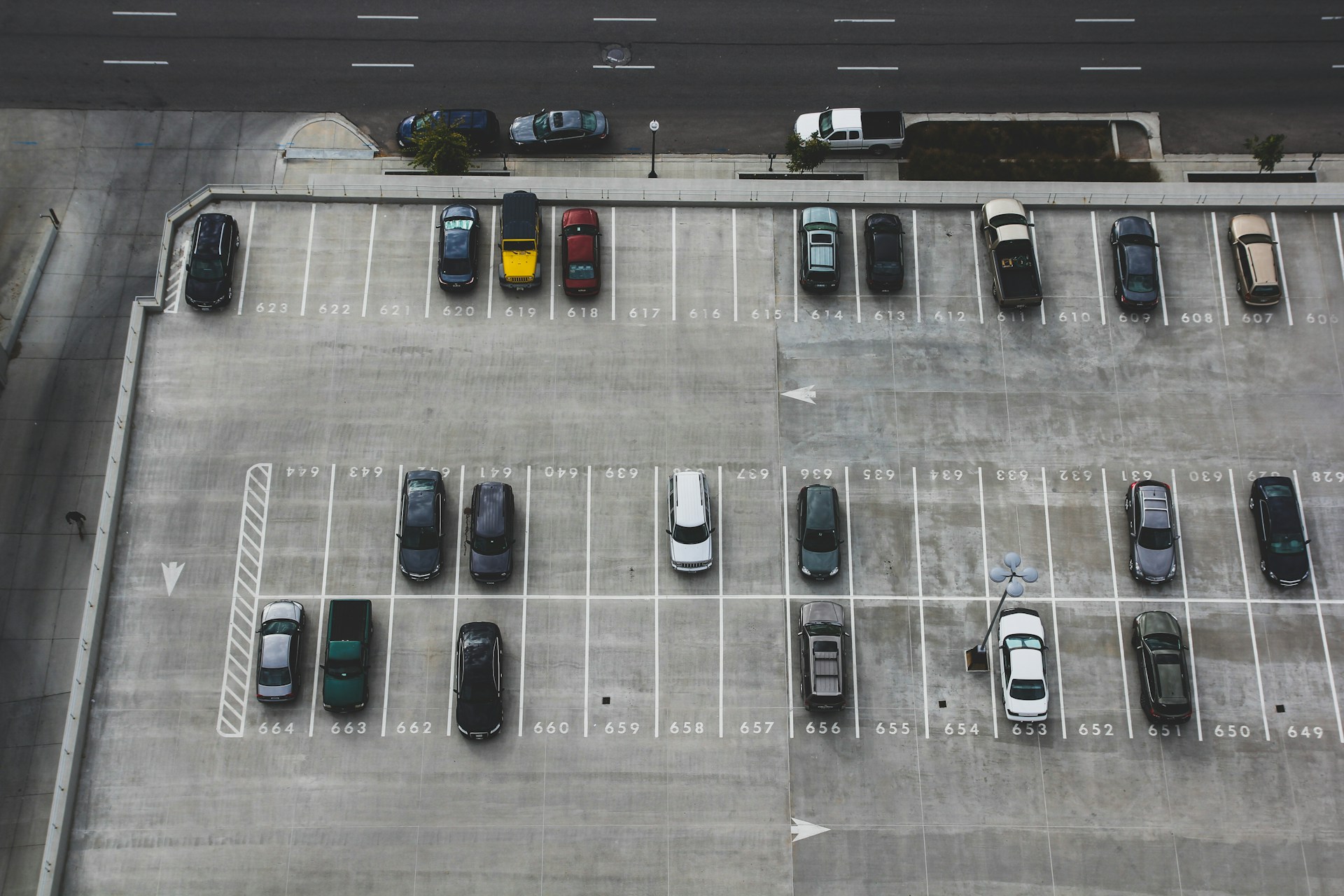
Parking demand is never as steady as a rate sheet suggests. A garage can feel open at 10 AM, tighten near lunch, then reach practical capacity before a show. Flat pricing treats those moments alike, even though driver urgency and stall scarcity differ. Demand-based rates give operators a calmer, more accurate way to price limited space, protect access, and connect revenue with real use.
Flat Rates Miss Demand
A fixed fee looks clean on paper, yet it often conceals the hours that shape profit. With parking dynamic pricing, operators can adjust rates using occupancy, event pressure, location patterns, and arrival timing. Drivers still need clear prices before payment, while owners avoid charging peak visitors the same amount as low-demand arrivals.
Scarcity Changes Value
A stall becomes more valuable as open spaces disappear. Flat pricing ignores that supply signal, so full periods can be priced like quiet ones. Demand-based pricing lets rates rise within set limits when occupancy climbs. During slower stretches, prices can ease, bringing back drivers who might choose another block or skip the trip.
Timing Drives Results
Few facilities offer a single fair price for the entire day. Commuters, patients, shoppers, dinner guests, and event crowds arrive with different needs. Demand-based pricing lets each window carry a rate that matches behavior. The strongest earning period may last less than two hours. Manual updates often come after that short chance has already passed.
Better Data Guides Pricing
Modern payment systems can show occupancy, transaction count, length of stay, and yield by hour. Those figures help operators see where pricing held up and where space was undervalued. A flat fee leaves fewer useful clues. Demand-based models create a steady feedback loop, where each day informs the next pricing decision, reducing guesswork.
Drivers Require Clarity
Variable pricing should never feel hidden or sudden. Drivers need the current rate before they enter, park, or pay. Clear signs, mobile screens, and checkout pages reduce hesitation at the decision point. The aim is fair alignment between demand and available space. When prices are easy to read, drivers choose faster, and traffic moves with less friction.
Controls Protect Trust
Sound demand-based pricing runs on rules, not impulse. Operators can set minimums, maximums, event schedules, grace periods, and override options. These guardrails keep rates consistent with business goals and local expectations. A stadium facility may need stronger event settings. A clinic lot may require narrower changes for patients who return often and plan visits carefully.
Revenue Improves Without Expansion
New parking supply is costly, slow, and often limited by zoning or land availability. Smarter pricing can improve returns from the same pavement. During peak periods, higher rates capture the value of scarce inventory. During softer hours, lower prices can support occupancy. That balance helps owners improve performance without construction, extra land, or a larger operating staff.
Operations Become More Precise
Flat pricing can blur weak hours and hide underpriced surges. Demand-based systems make those gaps easier to spot. Teams can compare hourly occupancy, event days, payment behavior, and weather effects. Better evidence supports staffing, enforcement, tenant planning, and budget work. Decisions improve when reports reflect actual driver behavior rather than broad averages from mixed conditions.
Why Flat Pricing Falls Short
Flat pricing is easy to explain, but that simplicity carries a real cost. It assumes demand stays stable while streets, venues, schedules, weather, and local routines keep changing. Owners then rely on averages that smooth away the moments with the highest value. Demand-based pricing replaces that blunt method with a rate structure tied to current conditions.
Conclusion
Demand-based parking rates outperform flat pricing because they respect how space value changes through the day. They help owners capture peak demand, support quieter periods, and act on live data instead of broad assumptions. Drivers benefit when prices stay visible, and payment choices remain clear. For operators managing limited inventory, this approach turns parking from a static fee into a measured revenue strategy.