Why Plastic Moving Boxes Are Perfect for Storage and Organization
Plastic moving boxes are stackable, waterproof, and reusable containers that outperform cardboard for both moving and long-term storage. They protect belongings from moisture, pests, and impact damage, and can be reused 50 to 100 times. Whether you buy or rent plastic moving bins, they offer better value, stronger protection, and a smarter organization system than single-use cardboard alternatives.
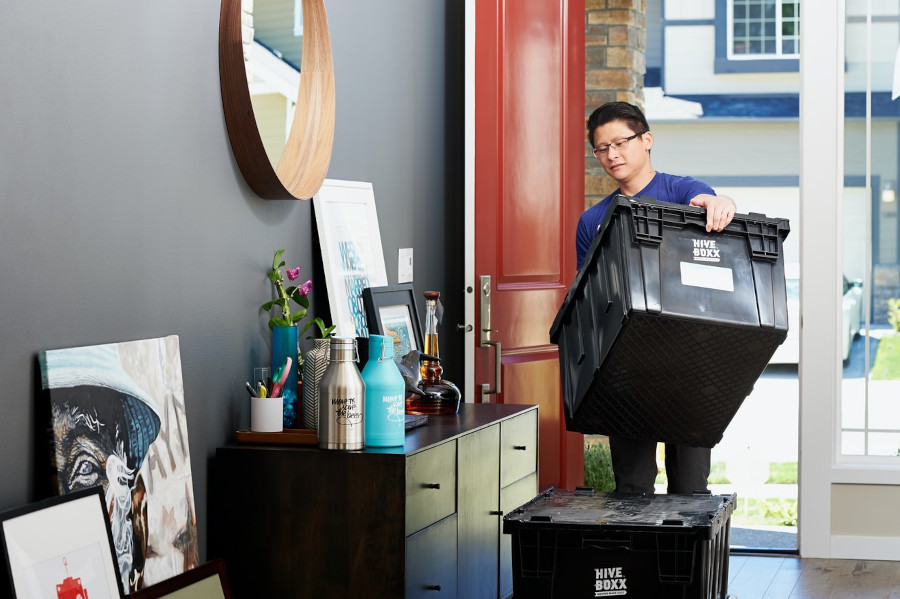
What Are Plastic Moving Boxes?
Plastic moving boxes are also called plastic moving bins, reusable moving containers, or plastic storage crates. They are rigid, lidded containers designed to transport and store household or commercial items.
Unlike traditional cardboard boxes, plastic moving bins are built to withstand repeated use, heavy stacking, and exposure to moisture and temperature changes.
Most plastic moving boxes are manufactured from high-density polyethylene (HDPE) or polypropylene (PP). These are materials known for their impact resistance, durability, and recyclability. They are available in small, medium, large, and XL wardrobe sizes to suit every packing need.
What Are the Key Benefits of Plastic Moving Boxes?
Superior Durability
Plastic moving bins are engineered for long-term use. A quality plastic moving box can withstand 50 to 100 moves without losing structural integrity, while cardboard typically fails after one or two uses.
This makes plastic moving boxes especially valuable for families who relocate frequently, students, renters, and businesses with regular logistics needs.
Waterproof and Weather Resistant
One of the biggest advantages of plastic moving boxes is their complete resistance to moisture. Cardboard disintegrates when exposed to rain, humidity, or accidental spills and puts your belongings at serious risk.
Plastic moving bins with sealed or snap-lock lids keep contents fully dry and protected in all weather conditions. This makes them the preferred choice for moves during rainy seasons or storage in damp environments like basements and garages.
Uniform Stackability
Unlike mismatched cardboard boxes, plastic moving boxes are manufactured in standardized dimensions. Their flat, interlocking lids allow for stable, consistent stacking and maximize vertical space in moving trucks, storage units, and warehouses.
Stackable plastic moving bins also significantly reduce the risk of box collapse, which is one of the most common causes of breakage during transit.
Reusability and Eco-Friendliness
A single plastic moving box used 50 times eliminates the need for 50 separate cardboard boxes. According to the U.S. Environmental Protection Agency (EPA), cardboard is among the most frequently discarded materials in household waste streams.
Choosing reusable plastic moving bins over disposable cardboard reduces landfill contribution significantly. Many plastic moving boxes are also manufactured from recycled plastic materials and are themselves 100% recyclable at the end of life.
Better Security and Protection
Most plastic moving bins feature snap-lock or padlock-compatible lids. This offers a level of security that tape-sealed cardboard simply cannot match. For businesses relocating sensitive equipment, documents, or inventory, this security feature is essential.
Plastic Moving Boxes vs Cardboard: Side-by-Side Comparison
| Feature | Plastic Moving Boxes | Cardboard Boxes |
|---|---|---|
| Durability | High, reusable 50 to 100 times | Low, single or limited use |
| Water Resistance | Fully waterproof | Prone to moisture damage |
| Stackability | Uniform lids, very stable | Variable, can collapse |
| Eco-Friendliness | Long-term reuse reduces waste | Recyclable but single-use |
| Cost (Upfront) | Higher ($5 to $20 per box) | Lower ($1 to $5 per box) |
| Cost (Long-Term) | Lower, reuse saves money | Higher, repurchased each move |
| Security | Locking lids available | Tape only, easily opened |
| Size Consistency | Standardised sizes | Varies by brand or source |
| Weight Capacity | Up to 60 to 70 lbs | Typically 30 to 50 lbs |
Plastic Moving Box Sizes and What to Pack
Choosing the right size plastic moving bin is critical for efficient packing and protecting your belongings.
| Box Size | Dimensions (approx.) | Capacity | Best Used For |
|---|---|---|---|
| Small | 12 x 12 x 12 inches | 1 to 1.5 cu ft | Books, tools, canned goods |
| Medium | 18 x 14 x 12 inches | 3 cu ft | Kitchen items, clothes, toys |
| Large | 24 x 18 x 18 inches | 6 cu ft | Bedding, pillows, lamps |
| XL/Wardrobe | 24 x 20 x 48 inches | 16+ cu ft | Hanging clothes, tall items |
Pro Tip: Never pack plastic moving bins to more than 80% of their weight capacity. Over-packed boxes stress the lids and handles, increasing the risk of injury or damage during the move.
Best Uses for Plastic Moving Boxes in Storage and Organization
Garage and Workshop Storage
Garages are among the most challenging environments for standard cardboard. They experience wide temperature swings, humidity, and potential water exposure. Plastic moving bins excel in this setting by protecting tools, seasonal equipment, and sporting goods year-round.
Attic and Basement Storage
Attics and basements are prone to moisture, dust, and pests. Sealed plastic moving boxes with secure lids create a protective barrier that cardboard cannot provide. Homeowners use them to store holiday decorations, old documents, clothing, and family heirlooms safely for years.
Office and Commercial Storage
Businesses use plastic moving bins for archiving files, organizing inventory, and relocating office equipment. Their uniform shape integrates seamlessly with warehouse shelving systems, including those from Husky, Gladiator, and IKEA IVAR, creating an efficient and scalable organization system.
Home Decluttering and Seasonal Organization
Many professional organizers, including those following the KonMari method by Marie Kondo, recommend clear or labeled plastic bins for long-term home organization. Clear-sided plastic moving boxes allow contents to be identified instantly without unpacking.
Student and Frequent Renter Moves
Students and renters who move between apartments regularly benefit greatly from owning a set of plastic moving boxes. The upfront investment pays for itself after just two or three moves compared to repeatedly buying cardboard.
How to Pack Plastic Moving Boxes Efficiently
Follow these best practices to get the most out of your plastic moving bins:
- Heaviest items at the bottom: Books, tools, and dense kitchen items go in small plastic moving boxes near the floor of the truck
- Fragile items in the middle: Wrap with bubble wrap or packing paper and surround with softer items for cushioning
- Fill empty spaces: Use clothing, towels, or foam peanuts inside plastic moving bins to prevent contents from shifting
- Label every box clearly: Use adhesive labels or a dry-erase marker on the lid and at least two sides of each plastic moving box
- Stack by weight: Place the heaviest plastic moving bins at the bottom and lighter ones on top
- Do not overfill: Leave a 2-inch gap at the top to allow proper lid sealing on your plastic moving bins
- Use colour-coded lids or stickers: Assign a colour per room for faster and more organised unpacking
Environmental Impact: Are Plastic Moving Bins Truly Sustainable?
The sustainability of plastic moving bins depends on how many times they are actually used. Research from the packaging industry suggests that a plastic bin needs to be reused at least 7 to 10 times to offset the higher energy cost of its manufacture compared to a single-use cardboard box.
When used 50 or more times, as most quality plastic moving boxes are designed for, the lifecycle carbon footprint per move drops significantly below that of cardboard. The Sustainable Packaging Coalition (SPC) recognizes reusable packaging systems as one of the most impactful ways to reduce waste in the logistics and moving industries.
Key environmental facts about plastic moving bins:
- Approximately 90 billion cardboard boxes are produced annually in the US alone
- Only 68 to 70% of cardboard boxes are recovered for recycling
- A reusable plastic moving bin eliminates an estimated 30 to 50 cardboard boxes over its lifespan
- HDPE and PP plastics, which are the most common materials in plastic moving boxes, are among the most recyclable plastic types globally
Final Thoughts
Plastic moving boxes are a smart, long-term investment for anyone who values protection, organization, and sustainability. Whether you choose to buy plastic moving boxes outright or rent plastic moving bins for a one-time move, the result is the same: better protection for your belongings, better value for your money, and less waste for the planet.
The bottom line is simple. Plastic moving bins outperform cardboard in every meaningful way, and once you make the switch, you will never look back.