How Property Maintenance Oversights in Boston Rentals Create Financial and Legal Exposure for Landlords
Boston's rental market moves quickly, and property owners often focus on occupancy rates, lease renewals, and pricing strategy. In high demand neighborhoods, units can turn over within days, which places pressure on landlords and managers to prepare apartments efficiently between tenants. However, in the rush to maintain cash flow and minimize vacancy, routine maintenance issues sometimes receive less attention than they deserve.
While cosmetic updates and marketing photos attract prospective renters, the structural and safety condition of common areas plays a more significant role in long term stability. Hallways, stairwells, entryways, and parking areas require consistent inspection. When these spaces deteriorate or remain improperly maintained, the risk extends beyond tenant dissatisfaction. Over time, overlooked maintenance can evolve into disputes that carry financial and legal consequences for property owners.
In addition, seasonal conditions in Boston intensify these pressures. Snow, ice, and heavy rain can quickly alter walking surfaces around buildings, especially in older properties with aging infrastructure. Landlords who fail to adjust maintenance routines to match weather patterns increase the likelihood of preventable hazards. Consistent attention to exterior walkways and interior flooring conditions becomes essential for protecting both residents and long term asset performance.
The Reality of Slip and Fall Incidents in Rental Properties
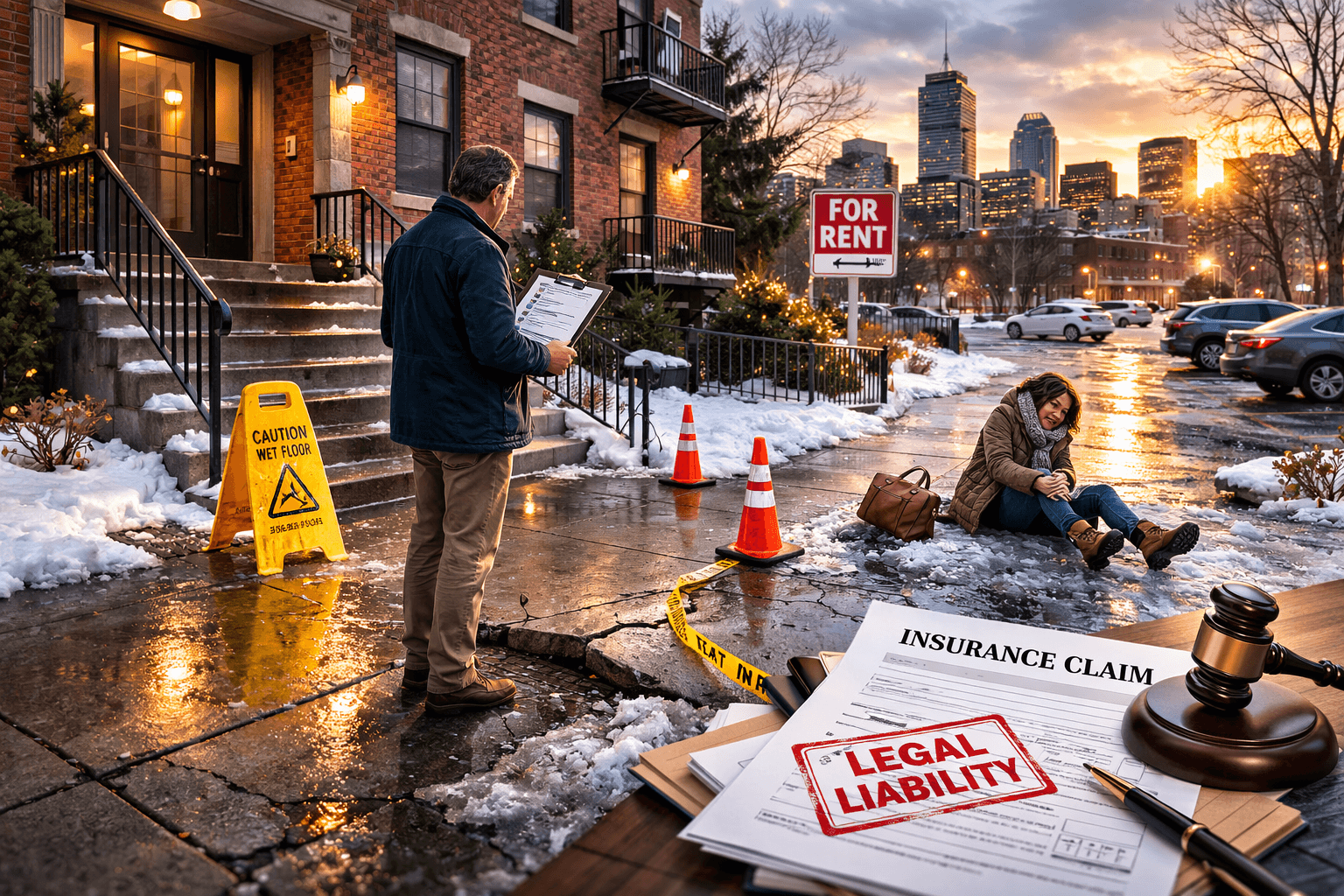
According to www.216lawyers.com, in multifamily housing, slip and fall incidents often occur in shared spaces where responsibility rests with the property owner or management company. Wet lobby floors during winter, uneven pavement in parking lots, loose stair railings, and poor lighting in corridors are common sources of injury claims. A single slip and fall event can prompt medical expenses, insurance involvement, and questions about whether reasonable care was taken to address known hazards.
When such incidents happen, documentation becomes critical. Maintenance logs, inspection schedules, and repair requests may determine how liability is evaluated. If a pattern emerges showing repeated complaints about the same condition, the financial exposure increases. Landlords who treat maintenance casually may discover that courts and insurers examine these records closely, especially when injuries appear preventable through timely repair or clearer warnings.
Furthermore, communication between property managers and maintenance teams plays a decisive role. Delays in responding to tenant reports or incomplete repairs can create a record that suggests indifference rather than diligence. Even minor hazards, if left unresolved, may form the basis of a claim when an injury occurs. Clear internal procedures and prompt follow through reduce the risk that a temporary issue escalates into prolonged litigation.
Insurance Considerations and Premium Adjustments
Property insurance serves as a safeguard for rental owners, yet coverage terms often depend on claims history. When injury related claims increase, insurers reassess risk levels associated with a building. This reassessment can result in higher premiums, increased deductibles, or policy exclusions that limit protection for future incidents. For landlords operating on narrow margins, these adjustments can significantly affect profitability.
Moreover, insurers may request evidence of updated safety practices before renewing coverage. They might require proof of regular inspections, snow removal contracts, or professional maintenance agreements. These requirements reflect a broader industry expectation that property owners actively manage hazards rather than respond only after an incident occurs. Failure to demonstrate consistent oversight can reduce negotiating leverage during policy renewal discussions.
In some cases, insurers conduct their own property evaluations before extending coverage. These inspections may highlight deficiencies that had not previously triggered tenant complaints. Addressing such findings promptly not only preserves coverage but also strengthens the property's overall risk profile. Landlords who treat insurance reviews as opportunities for improvement rather than obstacles often experience more stable long term premium trends.
Tenant Expectations and Lease Obligations
Modern renters are more informed about housing standards and tenant rights than in previous decades. They expect safe common areas, functional lighting, and prompt responses to maintenance requests. Lease agreements typically outline landlord responsibilities for structural elements and shared spaces, and tenants often rely on these provisions when raising safety concerns.
When maintenance issues persist, disputes may escalate beyond informal complaints. Tenants might withhold rent under certain legal conditions, file formal grievances, or pursue claims if injuries occur. These conflicts strain landlord tenant relationships and can affect a property's reputation in competitive neighborhoods. In a market where online reviews influence rental decisions, unresolved safety concerns may deter future applicants and extend vacancy periods.
Clear communication policies can reduce misunderstandings and prevent escalation. Providing tenants with accessible reporting channels and defined response timelines reinforces accountability. When residents see that management addresses hazards promptly, trust improves and disputes become less frequent. Strong tenant relations therefore complement physical maintenance efforts in preserving property stability.
Regulatory Standards and Local Compliance Pressures
Boston rental properties operate within a framework of housing codes and municipal regulations designed to protect occupants. City inspections may address building conditions, fire safety measures, and structural integrity. If inspectors identify hazardous flooring, inadequate lighting, or unsafe stair conditions, they can issue citations that require timely correction.
Beyond direct fines, regulatory findings can influence broader financial outcomes. Repeated violations may complicate refinancing efforts or property sales, as buyers and lenders review compliance records during due diligence. Landlords who treat maintenance as an afterthought risk more than isolated penalties. They may encounter cumulative regulatory pressure that affects long term asset value and operational flexibility.
Consistent compliance audits help reduce these risks. By reviewing building conditions against local code requirements on a scheduled basis, property owners can identify deficiencies before official inspections occur. Proactive correction not only avoids penalties but also demonstrates responsible stewardship of residential properties. In competitive urban markets, documented compliance supports smoother transactions and stronger investor confidence.
Preserving Property Value Through Proactive Oversight
Proactive maintenance remains one of the most effective strategies for limiting financial exposure in rental housing. Scheduled inspections of high traffic areas, prompt repair of surface damage, and clear communication with tenants about reporting hazards can reduce the likelihood of injury claims. When landlords document these efforts consistently, they create a record that demonstrates responsible property management.
Over time, consistent oversight protects more than short term income. It supports stable insurance relationships, strengthens tenant trust, and preserves market reputation. In a competitive city where rental properties compete for both residents and investor attention, disciplined maintenance practices contribute to durable value. By prioritizing safety in shared spaces, landlords reduce avoidable disputes and reinforce the long term performance of their assets.
Long term asset growth depends on more than rising rents. Investors and lenders increasingly evaluate operational risk when assessing portfolio quality. Buildings with documented inspection routines, responsive maintenance teams, and transparent communication practices tend to perform more predictably. By embedding safety oversight into daily operations, landlords protect both immediate revenue and sustained property appreciation.