How Apartment Conditions in Boston Can Lead to Preventable Injuries
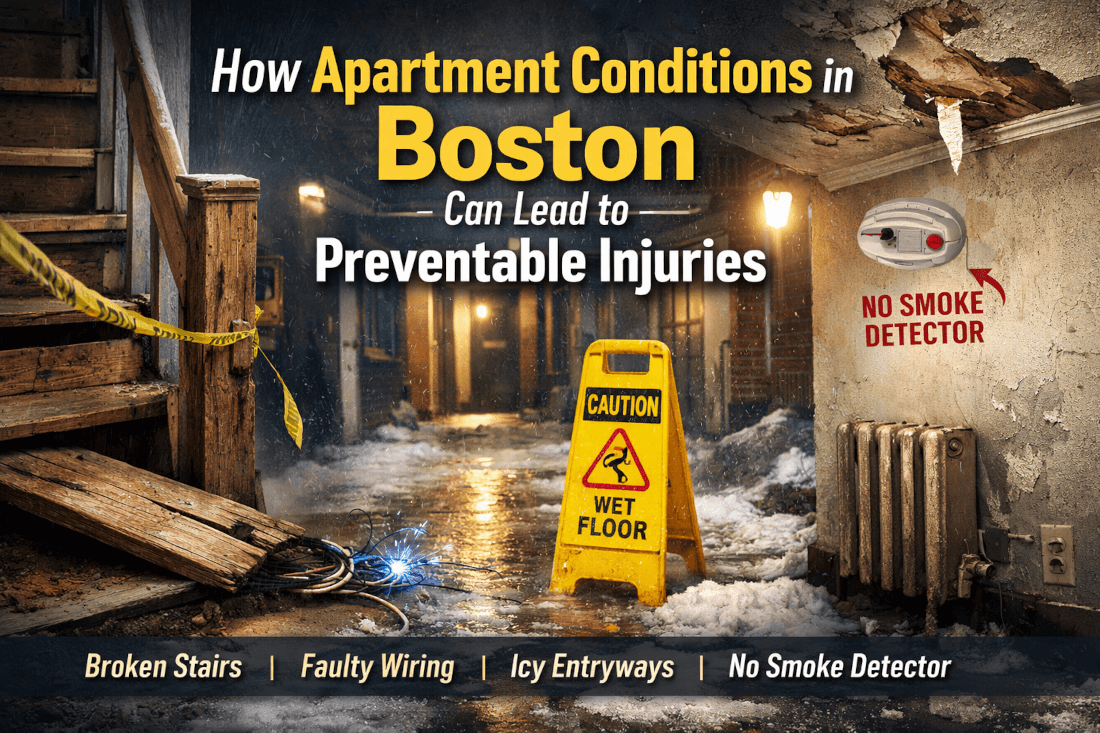
Boston's rental housing market is shaped by age, density, and constant turnover. Many apartment buildings were constructed decades ago, long before modern safety standards were established or updated. While these properties often have charm and solid construction, they also come with aging staircases, uneven flooring, outdated wiring, and layouts that were never designed for today's occupancy levels. Renters frequently move in and out, furniture changes hands, and maintenance is often reactive rather than proactive, which creates conditions where injuries can happen without warning.
For renters, daily life involves navigating common areas, shared entryways, basements, and outdoor walkways that see heavy foot traffic year round. Snow, ice, rain, and debris are common challenges, especially in winter months. Inside units, poorly secured fixtures, loose handrails, and malfunctioning appliances are often dismissed as minor inconveniences. Over time, these issues become safety hazards that place tenants at risk, particularly when repairs are delayed or overlooked.
Where Personal Injury Risks Often Begin Indoors
According to one law firm, personal injury in apartment settings often starts with hazards that appear small but create serious consequences. Slips on worn flooring, falls from unstable stairs, burns from faulty heating systems, and injuries caused by collapsing ceilings or broken fixtures are common examples. In Boston apartments, where space is tight and buildings are stacked vertically, a single defect can affect multiple units or common areas at once. Injuries do not require dramatic circumstances to occur. They often happen during routine activities like carrying groceries, using shared laundry rooms, or entering a building after dark.
Many renters assume these incidents are simply part of apartment living, but that assumption is not always accurate. When property owners fail to maintain safe conditions, injuries become more likely. Poor lighting in hallways, missing smoke detectors, or loose railings create foreseeable risks. When those risks lead to harm, the issue moves beyond inconvenience and into the realm of personal injury tied directly to housing conditions.
Maintenance Responsibilities and Property Oversight
In Boston, landlords are responsible for keeping rental properties safe and habitable. This includes maintaining structural elements, electrical systems, plumbing, heating, and common areas. When maintenance is inconsistent or delayed, risks compound over time. A cracked step may seem harmless until it worsens and causes a fall. A leaking pipe may weaken ceilings or walls before collapsing. These issues rarely appear overnight and often show warning signs long before an injury occurs.
Oversight becomes more complex in larger apartment buildings with multiple owners or management companies. Communication gaps between tenants, maintenance staff, and property managers can result in unresolved repair requests. When safety concerns are reported but not addressed, accountability becomes an issue. Preventable injuries often trace back to patterns of neglect rather than isolated mistakes, especially in buildings with high tenant turnover.
Common Areas and Shared Spaces
Shared spaces are among the most frequent locations for apartment-related injuries. Entryways, stairwells, elevators, parking areas, and sidewalks are used by residents and visitors alike. In Boston, seasonal weather intensifies risks in these areas. Ice buildup, wet floors, and inadequate snow removal contribute to falls that can result in fractures or head injuries. These areas require regular inspection and maintenance to remain safe throughout the year.
Inside buildings, poorly maintained elevators, cluttered hallways, and unsecured doors present additional dangers. Emergency exits that are blocked or poorly marked create serious risks during fires or power outages. Because these areas are not controlled by individual tenants, responsibility rests with property management. When safety protocols are ignored, injuries become more likely and often affect multiple people over time.
How Injuries Disrupt Rental Stability
An injury sustained in an apartment can quickly disrupt a renter's ability to maintain stability. Medical appointments, missed work, and physical limitations make daily tasks more difficult. In smaller Boston apartments, limited space can complicate recovery, especially when stairs are unavoidable or accessible features are lacking. What begins as a housing issue can quickly turn into a broader financial and logistical problem for tenants.
In some cases, injured renters may feel pressured to move before fully recovering, especially if the apartment becomes unsafe or inaccessible. This adds relocation costs and stress during an already difficult period. Preventable injuries tied to apartment conditions do more than cause physical harm. They interfere with housing security, income, and long term well being.
Beyond the immediate disruption, injuries can also affect lease compliance and tenant relationships. Renters dealing with physical limitations may struggle to meet move out deadlines, maintain cleanliness standards, or attend required inspections. Communication with property management can become strained when health issues slow response times or complicate scheduling. These secondary effects often go unnoticed but contribute to a cycle where housing instability grows from an injury that could have been avoided through proper maintenance and timely repairs.
Accountability and Safer Rental Living
Improving safety in Boston apartments starts with accountability and awareness. Renters benefit from documenting maintenance issues, reporting hazards promptly, and paying attention to changes in their living environment. Property owners and managers play a critical role by conducting regular inspections, responding to repair requests, and addressing safety concerns before injuries occur. Clear communication and consistent maintenance reduce risk for everyone involved.
Safer rental living depends on recognizing that apartment conditions are not static. Buildings age, weather takes a toll, and daily use creates wear that must be addressed. Preventable injuries are often the result of ignoring these realities. When housing providers take their responsibilities seriously and tenants remain attentive to their surroundings, the risk of injury decreases and apartment living becomes more stable and secure.
Long term safety is reinforced when prevention becomes routine rather than reactive. Regular assessments of stairwells, lighting, flooring, and exterior walkways help identify hazards early. When issues are resolved before incidents occur, trust between renters and property managers improves, and the overall quality of rental housing rises. In a competitive market like Boston, safer apartments are not just a legal responsibility. They are a practical foundation for sustainable rental living.