Sustainable Landscaping Practices for Modern Living
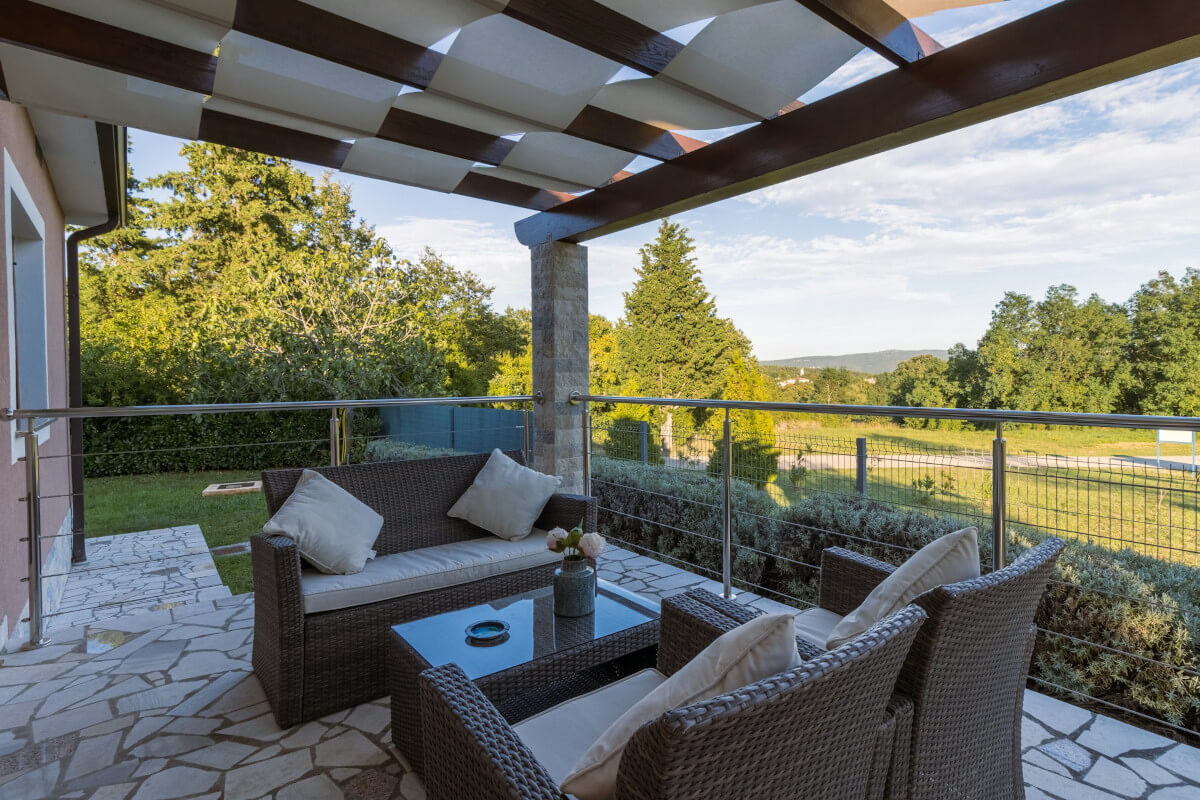
Modern yard care is moving away from chemical-heavy practices and perfect green squares. Homeowners want functional outdoor spaces that save time and help the local ecosystem. Transforming a standard yard into an eco-friendly sanctuary requires changing a few everyday habits.
Small modifications to your outdoor care routine yield huge environmental rewards. Making sustainable choices protects local wildlife and simplifies seasonal upkeep. By embracing sustainable landscaping, modern living becomes greener, more resilient, and better suited to the needs of future generations.
Managing Outdoor Water Use Wisely
Water management represents a major challenge for modern property owners. A government report showed that outdoor watering makes up more than 30% of average household water use, spiking to 60% in dry regions. High utility bills often stem from inefficient sprinkler schedules that lose water to evaporation.
Automated systems frequently run during afternoon heat cycles or heavy rainstorms. Drip irrigation lines deliver moisture directly to plant roots instead of spraying into the wind. This targeted method prevents waste and keeps foliage dry to avoid fungal diseases.
Grouping plants by their moisture requirements creates efficient irrigation zones. Drought-tolerant species thrive together without constant intervention. Smart controllers adjust watering cycles based on real-time weather forecasts.
Overwatering creates shallow root systems that fail during intense droughts. Deep, infrequent watering encourages roots to push further into the ground for moisture. This simple change makes plants far more resilient against extreme summer heatwaves.
Maximizing Rainwater Absorption
Hard surfaces like concrete driveways prevent rainwater from sinking into the ground naturally. Runoff sweeps chemicals and debris into local storm drains, polluting nearby waterways. Substituting traditional pavement with porous alternatives changes how the property handles heavy downpours.
Data from an architectural study indicates that permeable pavements permit 80% to 100% of rainwater to filter straight into the ground. This rapid infiltration helps replenish local aquifers. It stops pooling on walking paths and reduces soil erosion around foundation walls.
Installing gravel paths or interlocking concrete grids keeps walking areas dry and functional. Rain gardens positioned near downspouts catch excess water during storms. These shallow basins filter pollutants through plant roots before the water sinks deeper.
Directing downspouts away from paved surfaces protects city infrastructure from overwhelming floods. Rain barrels collect free roof runoff for later use on flower beds. Utilizing stored rainwater keeps gardens hydrated during summer watering restrictions.
Rethinking the Traditional Suburban Lawn
Perfect grass lawns require immense amounts of fuel, chemicals, and labor to maintain. The classic green carpet look strains municipal water supplies throughout the warmer months. According to wildlife research, suburban lawns cover over 40 million acres in the nation, gulping down more water than the top 8 crops combined.
Shifting toward alternative ground covers minimizes weekend mowing chores. Clover lawns and low-growing moss require fewer chemical treatments to look presentation-ready. These alternatives stay green during heatwaves without daily sprinkler assistance.
Reducing turf areas leaves more room for creative gardening experiments. Pocket forests and native shrub borders define property lines beautifully. Homeowners enjoy lower maintenance bills when they stop pampering fragile grass species.
Mowing less frequently allows low-growing wildflowers to support local ecosystems. Setting mower blades higher protects grass roots from baking in the summer sun. Taller grass blades retain soil moisture by providing natural shade.
Caring For Large Property Trees
Property owners often overlook the health of their highest branches. Hiring professional tree trimming services in Marietta helps maintain structural safety before severe winter storms hit. Regular branch maintenance keeps property lines clear and prevents sudden structural damage.
Mature trees need specialized attention to preserve their growth patterns. Certified arborists identify hidden decay inside heavy limbs before failure occurs. Removing deadwood allows sunlight to penetrate lower canopy layers.
Proper cuts prevent disease vectors from entering healthy trunk tissue. Neglected canopies catch strong winds like sails, threatening nearby roofs and power lines. Routine maintenance protects the financial investment made in mature greenery.
Pruning at the correct time of year maximizes spring growth potential. Weak branches can be strategically removed to balance the weight of the crown. Healthy trees withstand environmental stressors much better than neglected specimens.
Building Rich and Healthy Soil Structures
Healthy gardens begin beneath the surface with rich organic matter. Synthetic fertilizers give quick nutrient boosts but degrade long-term soil structure. Mixing compost into garden beds feeds beneficial microbes that naturally aerate the earth.
Agricultural experts published findings stating that healthy soil holds up to 20000 gallons of water per acre for every 1% increase in organic matter. This incredible sponge effect keeps plants hydrated during dry spells. Strong root systems develop when soil retains moisture without becoming soggy.
Leaving fallen leaves on flower beds creates a natural protective layer. This mulch layer suppresses weeds and breaks down into premium plant food. Healthy underground networks support robust plant growth above ground.
Avoiding heavy chemical pesticides keeps earthworms working hard to turn the soil. Compacting soil with heavy machinery prevents air and water from reaching deep roots. Gentle aeration techniques keep the ground loose and receptive to nutrients.
Selecting Native Plants for Biodiversity
Introducing local flora creates a self-sustaining ecosystem that thrives without extra pampering. Native species evolved to survive local weather patterns and soil types without chemical aid. They require less fussing than exotic imports from different climate zones.
An environmental organization revealed that native plants feed 13 times more species of native caterpillars than non-native alternatives. These insects serve as a major food source for nesting birds. Diversifying your plant selection transforms a quiet yard into a sanctuary.
- Native oak trees support hundreds of local insect species.
- Local perennial flowers bloom reliably without chemical fertilizers.
- Indigenous shrubs resist local pests naturally.
Choosing regional varieties reduces the need for cold protection during winter freezes. Local plants establish deep root networks quickly after installation. These deep roots anchor the soil and prevent muddy hillsides during spring rains.
Lowering Energy Consumption with Shading
Strategic gardening directly influences indoor climate control expenses. Planting deciduous trees on the western side of a building blocks intense afternoon sun rays. This natural barrier shields exterior walls from absorbing heat.
Energy department research demonstrates that shading a home with planned plantings cools surrounding air temperatures by up to 6 degrees Fahrenheit. This temperature drop lessens the burden on mechanical cooling units. Air conditioners run less frequently when the surrounding microclimate stays cool.
Vines growing on freestanding trellises shield brick walls from baking in summer heat. Shaded brick radiates less warmth into the home during the evening hours. Smart layouts yield measurable utility savings every summer.
Positioning shrubs near concrete patios prevents the hardscape from storing daytime heat. Shaded surfaces cool down rapidly once the sun sets. This layout design makes outdoor living areas comfortable during warm summer nights.
Strategic Tree Placement for Year-Round Climate Control
Greenery provides excellent climate benefits during both warm and cold seasons. Deciduous species drop leaves in autumn, allowing winter sunlight to warm cold walls. This seasonal shift provides free solar heating during chilly months.
A forestry report noted that properly positioned trees slash air conditioning needs by 30% and save between 20% and 50% on heating energy. Evergreen rows planted on northern borders act as windbreaks against freezing winter gusts. Blocking cold drafts keeps indoor spaces cozy without turning up the thermostat.
Planning a yard layout with mature heights in mind prevents future clearance issues. Small adjustments to planting locations maximize long-term energy savings. Investing in trees offers excellent financial returns through lower power bills.
Mature canopies catch driving rain before it strikes the roof shingles directly. This buffering action protects external home structures from water wear. Strategic spacing keeps root systems from interfering with underground utility lines.
Supporting Declining Pollinator Populations
Many common garden insects perform crucial tasks that keep local ecosystems functioning. Modern manicured grass spaces offer zero food or shelter for these helpful creatures. Shifting away from sterile turf helps reverse current population drops.
Conservation data indicate that over 75% of flowering plants depend on pollinators, which face steep declines from habitat loss caused by manicured lawns. Creating pesticide-free zones gives these creatures a safe space to gather food. Eliminating harsh chemicals keeps beneficial bugs safe.
- Bees require continuous blooms from early spring through autumn.
- Butterflies seek shelter in undisturbed patches of tall grass.
- Beetles assist with breaking down organic matter in garden beds.
Planting large groupings of identical flowers makes foraging easier for traveling bees. Avoid modern hybrid flowers that prioritize double blooms over pollen production. Simple flower varieties offer better access to nectar rewards.
Creating Small-Scale Habitat Havens
Transforming a tiny fraction of property produces unexpected ecological benefits. Homeowners do not need to convert their entire yards overnight to make a difference. Incremental adjustments still offer valuable support for local wildlife.
A study on pollinator health showed that converting just 10% of a lawn into a pollinator garden raises local bee diversity by up to 50% within 2 seasons. This rapid recovery demonstrates how resilient local insect populations remain. Small flower patches provide critical stopover points for traveling insects.
Adding a shallow water dish with stones gives insects a safe drinking spot. Leaving a few hollow flower stems provides winter nesting cavities for solitary bees. Simple adjustments turn any yard into a sanctuary.
Unmown corners provide nesting materials for small backyard birds. Brush piles hidden behind storage sheds offer protection from cold winter winds. Small steps create interconnected networks of urban wildlife corridors.
Long-Term Financial Benefits of Eco-Friendly Yards
Sustainable choices save substantial amounts of money over extended periods. Traditional lawns demand constant investments in mowers, fuel, fertilizers, and seasonal sod replacement. Shifting to hardier plants keeps hard-earned cash in your wallet.
A corporate wildlife group found that using native perennials drops upkeep costs by 40% over 5 years compared to standard turf. Lower water requirements shrink monthly utility expenses immediately. Fewer pest issues mean zero expenses for professional extermination applications.
Time savings add up alongside financial rewards. Spending weekends relaxing instead of mowing creates a better lifestyle. Sustainable choices pay dividends in both leisure hours and financial savings.
Hardy perennials multiply naturally over consecutive growing seasons. Homeowners can divide these mature plants to expand their gardens for free. Trading extra plant divisions with neighbors builds community while keeping costs low.
Reducing Yard Waste Through Smarter Maintenance
Yard maintenance often generates more waste than homeowners realize. Grass clippings, fallen branches, and seasonal leaves frequently end up in landfills instead of benefiting the landscape. Composting and reusing natural materials keep valuable nutrients on the property while reducing municipal waste collection.
Environmental agencies estimate that yard trimmings account for millions of tons of landfill waste each year, despite being fully compostable. Grass clippings left on the lawn break down quickly and return nitrogen to the soil. Chipped branches make excellent mulch that helps conserve moisture and suppresses weed growth.
Creating a simple compost pile transforms kitchen scraps and garden debris into nutrient-rich soil amendments. Reusing organic materials reduces the need for store-bought fertilizers and mulch. A closed-loop approach minimizes waste while strengthening the long-term health of the entire landscape.
Using Eco-Friendly Lighting for Outdoor Spaces
Outdoor lighting improves safety and extends the usability of gardens after sunset, but outdated fixtures often consume unnecessary electricity. Replacing traditional bulbs with energy-efficient alternatives lowers power consumption while reducing long-term operating costs. Modern lighting systems provide better illumination with far less environmental impact.
Energy efficiency studies have shown that LED landscape lights use up to 75% less electricity than incandescent bulbs while lasting significantly longer. Solar-powered pathway lights eliminate wiring requirements and recharge naturally during daylight hours. Motion-activated fixtures provide illumination only when needed, preventing unnecessary energy use throughout the night.
Thoughtful lighting placement also benefits local wildlife. Excessive nighttime brightness can disrupt the feeding and migration patterns of birds, insects, and other animals. Using downward-facing fixtures with warm-colored bulbs reduces light pollution while creating comfortable outdoor spaces that remain both attractive and environmentally responsible.
Final Thoughts
Designing a sustainable outdoor space is an achievable goal for every modern property owner, regardless of the size of the yard or budget. Swapping traditional habits for eco-friendly practices helps conserve valuable natural resources, lowers household expenses, and creates a landscape that requires less effort to maintain over time.
Every small alteration, from planting native species to improving water efficiency, contributes to a healthier local ecosystem while supporting wildlife and reducing environmental impact. By incorporating water-efficient solutions, selecting native plants, improving soil health, and reducing unnecessary waste, homeowners can enjoy landscapes that require less maintenance while supporting local ecosystems.