What Renters Should Look for in Outdoor Space Before Choosing Their Next Home
When you're comparing rent, location, commute time, and floor plans, outdoor space can be easy to overlook. A balcony, shared courtyard, patio, roof deck, or yard may seem like a nice extra at first, but it can have a real impact on how comfortable a home feels day to day. For renters choosing their next place, it helps to look past the listing photos and think about how the space would actually fit their routine, privacy needs, seasonal habits, and future plans.
Look at How the Space Works Day to Day
A good outdoor area should fit real life, not just photograph well. A balcony might be perfect for morning coffee, but less appealing if it faces a noisy street or gets very little sunlight. A shared courtyard may look inviting in a listing, but feel less comfortable if it is always crowded, poorly lit, or difficult to reach from the unit.
Small details can make a big difference. Is there enough room for a chair or small table? Does the space feel private enough to enjoy? Is there shade when the sun is strongest? Can it be used for more than one season? Outdoor space only adds real value when it feels easy and natural to use.
Bigger is not always better. A quiet balcony with good light can be more useful than a large patio that feels exposed. A modest yard may be more appealing than a shared area with too many restrictions. What matters most is whether the space supports the everyday routines that make a home feel comfortable.
Look Beyond the Listing Photos
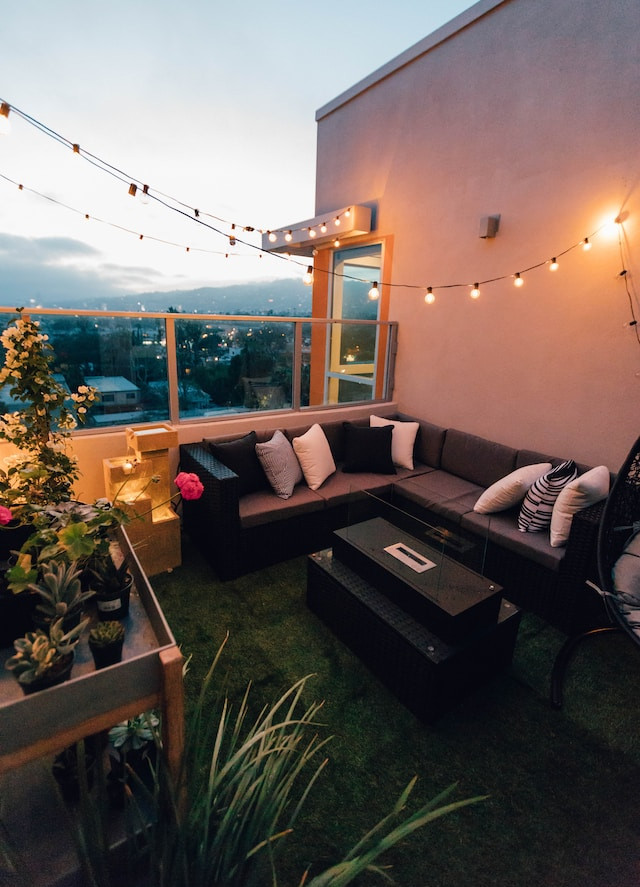
Photos can make outdoor areas look larger, brighter, and more private than they are. A wide-angle shot of a patio or balcony may hide nearby traffic, awkward access, poor lighting, or a view straight into another unit. Before choosing a place, renters should treat outdoor space like the kitchen, bedroom, parking, or storage: as a practical feature that needs to work in real life.
Renters comparing balconies, patios, roof decks, or shared courtyards should think about them the same way they judge other apartment amenities worth paying extra for: by asking whether the feature will make daily life better enough to justify the rent.
A strong listing photo can spark interest, but the real test comes after that first impression fades. Picture ordinary moments there, like stepping outside with coffee, giving a pet some fresh air, reading after work, or having a friend over without feeling cramped. That kind of practical thinking makes it easier to tell the difference between a nice-looking amenity and one that will actually improve daily life.
Think About Privacy, Use, and Long-Term Appeal
Outdoor space can change the way a home feels, even when the interior square footage stays the same. A small patio that feels private may be more valuable than a larger shared area that never feels comfortable. A balcony with morning light can become part of a daily routine, while a yard with no shade or privacy may sit unused for much of the year.
It is also worth thinking about how outdoor space may shape future priorities. Patios, porches, decks, lighting, and landscaped areas are among the outdoor features buyers want, which is a good reminder that these spaces matter beyond the current rental search. A renter may not be ready to buy yet, but noticing these details early can make the next move feel clearer.
The most useful outdoor areas support real habits. That might mean room for a small table, a quiet place to read, space for plants, a safe spot for a pet, or enough privacy to relax after work. When outdoor space fits naturally into daily life, it becomes part of how the home works.
Consider Whether the Outdoor Space Can Grow With You
In Boston and the surrounding Massachusetts rental market, outdoor space often means a balcony, roof deck, shared courtyard, or small patio. These spaces can add comfort, especially in dense neighborhoods where private outdoor areas are limited, but renters usually have little control over how they change over time.
That picture can shift when the next move leads to a house, especially outside a dense urban market. A renter staying in New England might still be weighing small yards, porches, or shared outdoor areas, while someone moving farther south may start seeing homes with more room for outdoor projects. The details vary by market, but the larger point stays the same: outdoor space becomes more personal when it belongs to the home.
That shift can become clearer for renters moving from apartment living into single-family homes in Tennessee. A yard or patio that looks plain during a showing may still have room to become a more useful place for meals, quiet evenings, or casual gatherings, so a future homeowner might speak with a deck contractor in Sumner County TN about whether a deck would fit the property, climate, and everyday routine.
The goal is not to plan every improvement before signing a lease or making an offer. It is to notice whether the outdoor space has flexibility. A renter who thinks ahead can better judge whether a place only looks appealing in the moment or has the potential to support the way they may want to live later.
Ask How Much Control You'll Actually Have
Outdoor space is easier to enjoy when the rules are clear. Renters should know whether they can add furniture, plants, lights, storage, or a small grill before assuming a balcony or patio will work the way they imagine. A space may look flexible during a showing, but lease terms, building policies, and shared-area rules can quickly change what is practical.
Private outdoor areas can come with limits as well. A rental home may have a yard, but the owner may handle landscaping or restrict changes to the space. A condo may offer a private balcony, but building rules can affect what can be placed there. Shared courtyards and roof decks may also have quiet hours, guest limits, or reservation policies that shape how often renters use them.
The best time to ask these questions is before committing to the home. When renters understand the rules upfront, they can judge the outdoor space more honestly and avoid disappointment later. The right outdoor area should feel useful, comfortable, and realistic for everyday life.
Choose the Space That Fits Real Life
The best outdoor space is the one that matches how someone actually wants to live. A sunny balcony may be enough for one renter, while another may need a small yard for a pet, a quiet patio for reading, or a shared outdoor area that makes it easy to spend time with neighbors.
It helps to look past the first impression. Outdoor space should be easy to access, comfortable to use, and realistic to maintain or enjoy within the property's rules. If it looks good in photos but feels noisy, exposed, inconvenient, or restricted, it may not add as much value as expected.
For renters choosing their next home, outdoor space deserves the same practical attention as layout, storage, parking, and location. When it supports daily routines and future plans, it can make a home feel more comfortable, more flexible, and easier to enjoy.