The Real Estate Trends Driving Demand for Better Outdoor Living Spaces
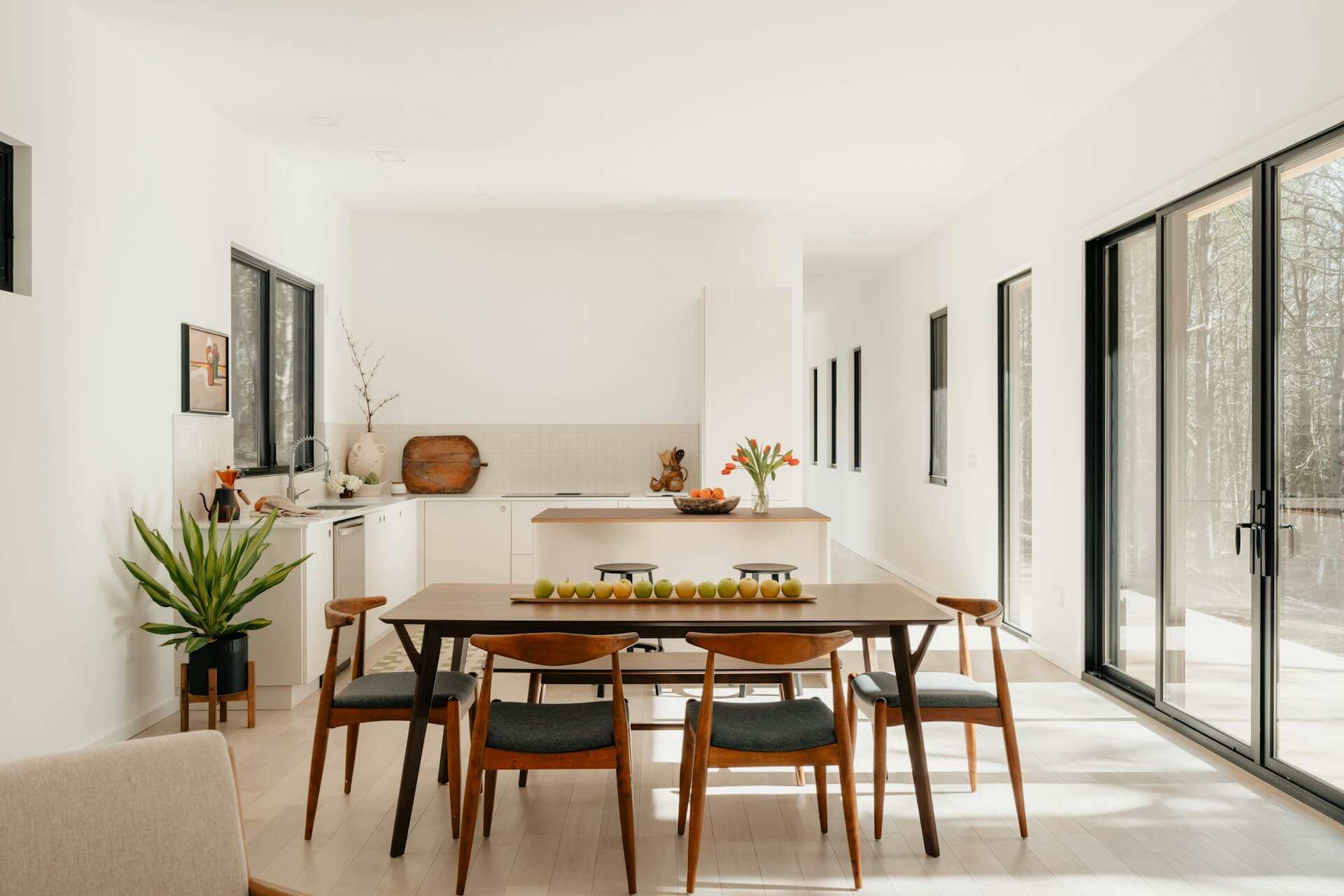
Homebuyers today are evaluating properties differently than they did just a decade ago. While location, square footage, and school districts remain important, outdoor living areas have become increasingly influential in purchasing decisions. Patios, landscaped gardens, covered decks, and backyard wellness spaces are no longer viewed as optional extras but as valuable extensions of the home itself.
Several factors have contributed to this shift. Flexible work arrangements, a greater emphasis on health and well-being, and the desire to maximize time spent at home have encouraged buyers to seek properties that support a more balanced lifestyle. As a result, outdoor improvements are playing a growing role in both property value and buyer appeal.
Wellness Amenities Are Becoming Backyard Priorities
The idea of creating a personal retreat at home has become increasingly attractive to homeowners. Instead of relying solely on gyms, spas, or recreational facilities, many people are investing in outdoor features that allow them to relax without leaving their property. Fire pits, outdoor kitchens, plunge pools, meditation gardens, and saunas are becoming common additions in both new developments and renovation projects.
Among these features, outdoor saunas continue to gain attention because they combine wellness with architectural appeal. Homeowners exploring options such as a SaunaLife barrel sauna often appreciate how barrel designs blend naturally into gardens and landscaped spaces while offering a dedicated area for relaxation throughout the year. SaunaLife's models also emphasize ergonomic interiors, weather-resistant thermo-spruce construction, and spacious layouts designed specifically for outdoor use.
Buyers Want Outdoor Spaces That Feel Like Additional Rooms
Modern outdoor design increasingly focuses on creating functional living areas rather than simply maintaining a lawn. Covered patios, comfortable seating, outdoor dining spaces, and integrated lighting allow homeowners to use their gardens well beyond the summer months.
This shift reflects changing lifestyles. Families want spaces where they can entertain guests, work remotely, or simply unwind after a busy day without feeling confined indoors. As a result, outdoor areas are being planned with the same level of attention traditionally reserved for kitchens or living rooms.
Developers have also responded by designing communities where private outdoor space plays a larger role in overall property appeal, recognizing that buyers increasingly value flexibility alongside interior square footage.
Low-Maintenance Landscaping Appeals to Busy Homeowners
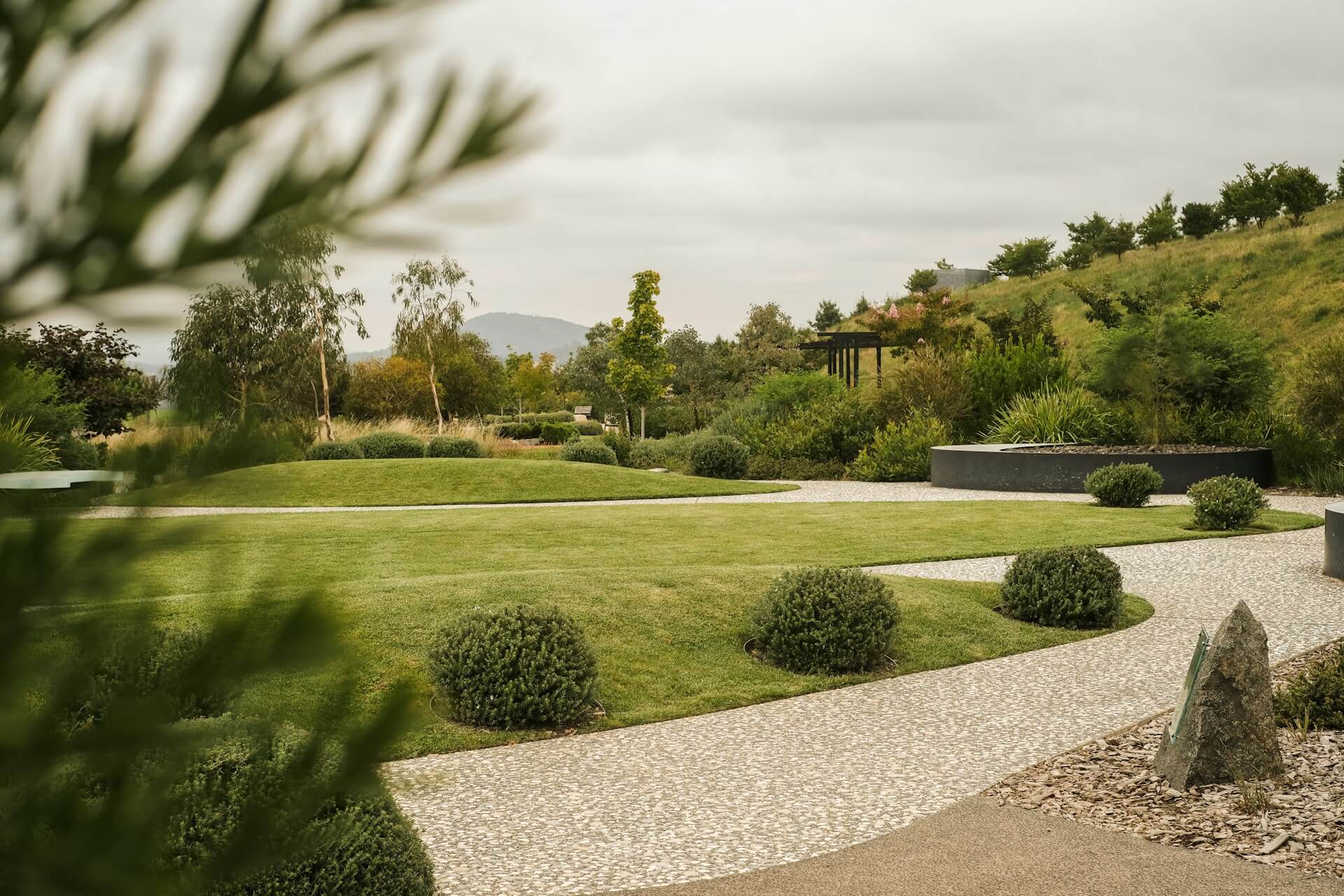
While attractive gardens remain desirable, many buyers prefer outdoor spaces that don't require constant upkeep. Native plants, drought-tolerant landscaping, automated irrigation systems, and durable hardscaping materials have become popular because they reduce maintenance while preserving visual appeal.
Low-maintenance landscaping also supports long-term property ownership by reducing ongoing costs and allowing homeowners to spend more time enjoying their outdoor environments instead of maintaining them. This balance between aesthetics and practicality has become an important selling point across many housing markets.
Professionally designed outdoor spaces that require relatively little maintenance often provide a strong return on investment while broadening a property's appeal to future buyers.
Sustainability Continues to Influence Purchasing Decisions
Environmental considerations have become increasingly important in residential real estate. Buyers often look for features that improve energy efficiency while reducing long-term operating costs. Solar lighting, rainwater collection systems, permeable paving, and carefully selected plant species all contribute to more sustainable outdoor environments.
Outdoor wellness amenities are evolving alongside this trend. Many manufacturers now emphasize responsibly sourced materials, improved durability, and efficient designs that help outdoor structures withstand changing weather conditions over many years. Buyers are paying closer attention to construction quality because long-lasting features typically require fewer repairs and replacements over time.
Sustainability is no longer viewed solely as an environmental consideration, it has also become a practical financial factor that influences long-term property value.
Outdoor Investments Can Strengthen Long-Term Property Appeal
Not every outdoor improvement delivers the same return, but thoughtfully planned projects often increase both everyday enjoyment and marketability. Buyers frequently respond positively to spaces that feel complete, functional, and ready to use without requiring immediate upgrades after moving in.
Rather than adding numerous unrelated features, successful outdoor designs usually follow a cohesive vision that connects landscaping, seating, lighting, and recreational amenities into one integrated environment. This creates a stronger first impression while allowing homeowners to enjoy the space in multiple ways throughout the year.
As buyer expectations continue to evolve, outdoor living is likely to remain one of the defining characteristics of desirable residential properties. Homes that successfully combine comfort, wellness, functionality, and attractive landscaping are well positioned to appeal to a growing segment of buyers who see the backyard as an essential part of modern living rather than simply unused outdoor space.