Preventing Injuries in Shared Spaces Like Hallways and Stairwells
Shared spaces in residential or commercial buildings can be surprisingly hazardous. Hallways and stairwells see heavy traffic every day, making them prime spots for painful accidents. Slipping or tripping in shared areas can lead to unexpected doctor visits.
Keeping common areas safe requires constant attention to small details from landlords and tenants. Spills, clutter, and poor lighting can turn a routine walk into a dangerous situation. Simple prevention strategies make a major difference.
Understanding the Risks in Shared Areas
Shared hallways and stairwells see diverse groups of people daily, from young children to elderly residents. Shared areas are prone to sudden hazards like wet floors or misplaced delivery boxes. Maintaining clear paths at all times helps prevent painful slips.
When property owners neglect routine maintenance, innocent visitors often suffer severe physical harm. If you get hurt from the owner's negligence, starting a personal injury lawsuit can help you recover damages for medical bills and lost wages. Seeking legal help from experienced professionals makes a big difference in navigating the recovery process.
Regular walkthroughs can prevent risky situations from happening. Property managers should look for loose floorboards and torn carpets during inspections. Addressing minor issues quickly prevents them from turning into major safety hazards later.
Keeping Walkways Free of Hazards
Clutter is a major cause of slips in common areas. Tenants sometimes leave packages, shoes, or bicycles in communal hallways. Clear paths prevent people from stumbling.
Property rules must clearly prohibit leaving personal belongings in shared corridors. Regular notices from management can remind residents to keep pathways clear. Keeping walkways clean benefits everyone.
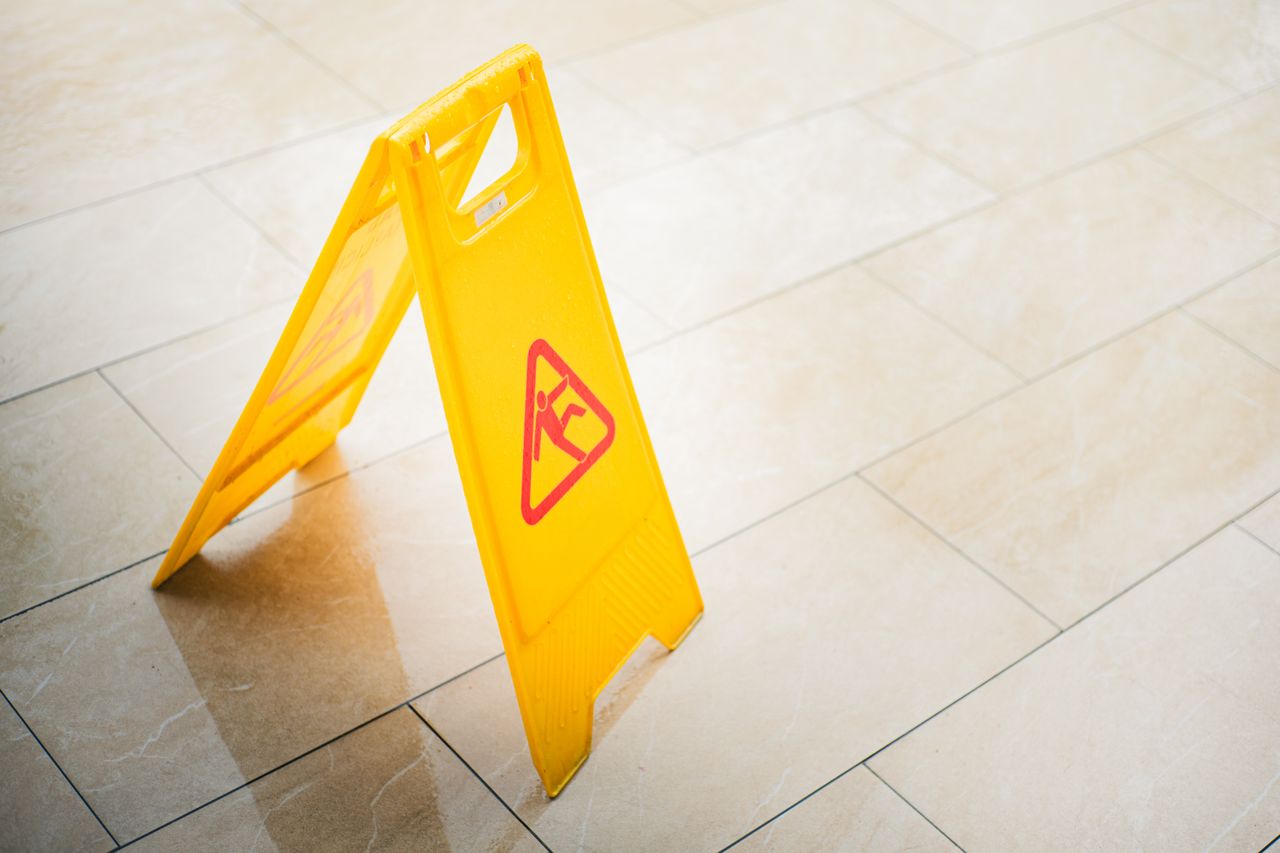
Spills or leaks from pipes should be cleaned up immediately. Placing warning signs near wet spots helps people navigate the area safely until the floor dries. Simple vigilance prevents injuries.
Securing Rugs and Floor Coverings
Loose mats and decorative rugs often slide when people walk over them. The sliding action can cause sudden slips on smooth surfaces like tile or polished hardwood. Secure flooring is necessary to prevent sudden movements.
An educational safety guide explained that using non-slip pads or double-sided tape under loose coverings is an easy way to prevent falls. Property owners can apply simple fixes to lobby areas and hallway entries. It is an inexpensive solution.
Regular checks will confirm if the adhesive on the tape is still holding. Replacing worn-out tape helps maintain a secure grip on the floor over the months. A simple maintenance task keeps rugs flat and secure.
Managing High-Traffic Hallways
High-traffic corridors require extra attention on account of the sheer volume of daily foot traffic. When carpets become loose or bunch up, they create immediate tripping hazards for residents. Safe walking paths must remain a top priority.
A safety blog post recommended securing loose rugs with backing or tape, or removing small rugs from busy areas like hallways completely. Removing floor coverings reduces the chances of someone catching their shoe on a loose corner.
Keeping hallways completely free of decorative rugs is often the safest choice for busy buildings. Smooth, bare flooring that is clean and dry offers the most consistent grip for residents.
Improving Stairwell Safety Features
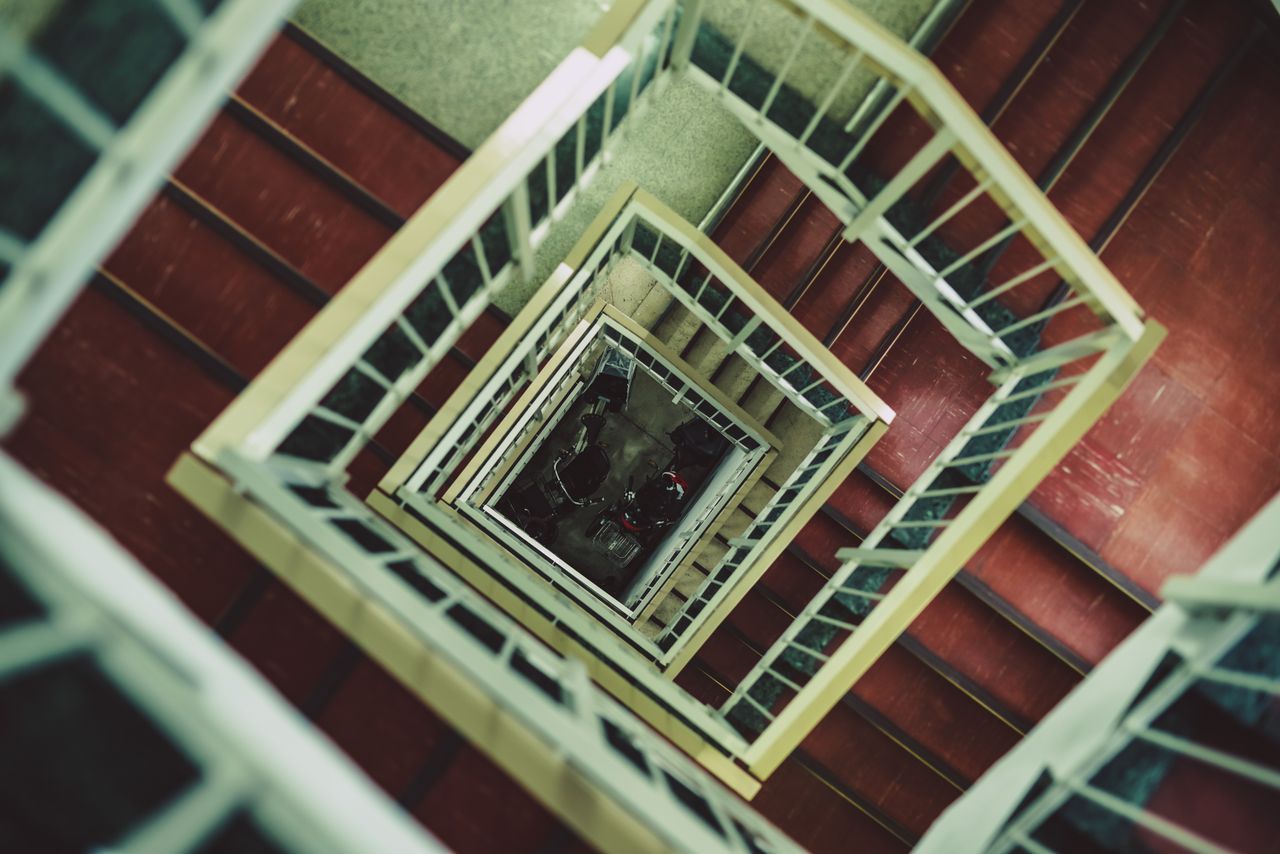
Stairwells present unique dangers that differ from flat surfaces in many ways. A fall on a staircase can cause severe injuries as a person strikes multiple hard edges. Good safety measures protect everyone who climbs them.
Building managers should focus on key stairwell features to protect residents and visitors. Safe stairs require several distinct components:
- Solid and secure handrails on both sides of the stairs.
- Bright, functional lighting that illuminates every step clearly.
- Non-slip treads are applied to the edge of each step.
Handrails must be at a comfortable height and free of splinters or loose screws. If any step becomes cracked or loose, maintenance teams need to fix the damage without delay. Quick repairs prevent major injuries from happening.
Focusing on Balance and Personal Fitness
Personal physical fitness plays a significant role in preventing falls in shared hallways and on stairs. Building strength and flexibility helps people maintain their footing on uneven surfaces. Exercise keeps the body strong and responsive.
An article on senior safety showed that physical exercise programs focusing on strength, balance, and flexibility can cut falls by up to 30%. It helps individuals stay steady on their feet when walking and is a great preventative measure for people of all ages.
Simple daily exercises like standing on one leg can improve stability over several weeks. Staying active is a great way to protect yourself from injuries in common areas. Regular movement supports long-term safety and balance.
Creating safe shared spaces requires a joint effort between property managers and residents. Keeping hallways clear and reporting maintenance issues quickly helps everyone stay safe in their daily routines.
Taking these proactive steps reduces the risk of serious accidents on the property. Simple adjustments in daily habits make hallways and stairwells much safer for the entire community.