Decluttering Before You Move: What to Keep and What to Throw Away
Everything in your home takes up space and time. Sometimes, it can get overwhelming to decide what needs to go and what you should keep. Decluttering will help you because even the best moving companies will encourage you to think about what you're taking with you, so they can give you accurate quotes. To help you figure out what stays and what gets tossed, here are some questions to ask yourself as you begin to declutter before you move.
Do You Always Use It?
This is one of the most straightforward benchmarks to follow. If you always use it, then it goes. Do you use your French press every day? If yes, then into the box it goes. What about that Instant Pot? You haven't used it in over a year? If that's the case, then that's something that you can get rid of and likely won't miss
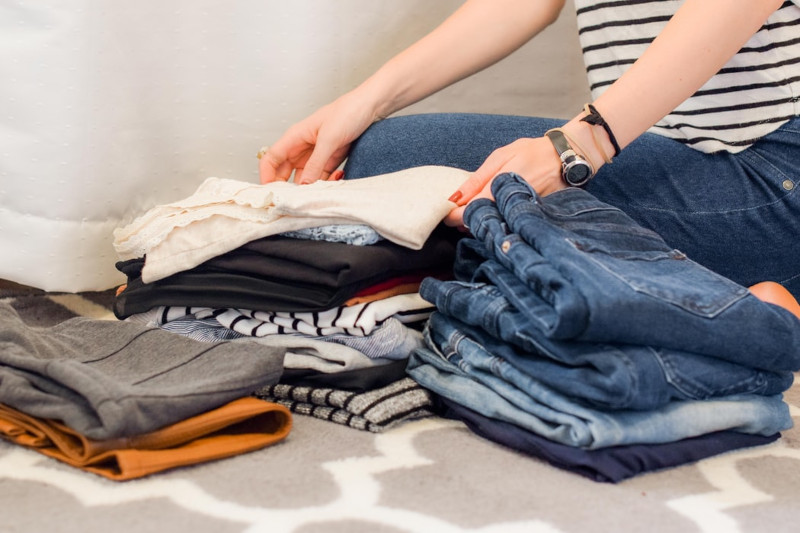
Apply the same methodology to your closet. You'll want to keep your favorite jeans or favorite tops, but those jeans that have been hanging in your wardrobe for the past five years because you were so sure they would fit you again someday - those need to go.
Did You Even Want It?
People like to give gifts because it shows that you're being thought of, and that makes others happy. The problem is that while gifts can be thoughtful, there are probably several that you didn't really want.
Look at that candle holder your mother-in-law gave you because she thought it was so pretty. Let's say your tastes and her tastes don't exactly mesh, but you felt bad getting rid of it. The reality is that you didn't want it anyway, so out it goes. No one says you have to keep a gift given to you, so give yourself the freedom to let it go.
Could Someone Else Use It More?
This one is a tricky question to answer because it applies to something you don't want to give up but don't want to toss either. Clothes in good shape with lots of life left are prime candidates for donating or giving away in a local Buy Nothing group.
Sometimes, you have things you'd swear someone else could use, so finding someone who wants what you're giving away is your goal. In that same vein, keep in mind that if you offer it out to the world for free and no one wants it, it's probably not worth keeping after all.
How Many of It Do You Have?
It could be blankets, coffee mugs, sets of dinnerware, or anything else you have many duplicates of. The chances are that you don't need the extra mugs, so if they're just taking up space in your kitchen, they need to go.
Blankets also tend to multiply, especially since many of them are fabulously soft and warm. Now, you're seeing you have 15 blankets for every one person in your house. Look at them with a critical eye and pick the ones you love. Donate the rest to a homeless shelter or an animal shelter. They'll be used and appreciated.
Deciding What Stays and What Goes
Decluttering can be challenging for anyone and even more for the sentimental types. If you assign sentimental value to everything, you'll feel like you're letting someone down or losing a memory when you get rid of things. Try to separate the memory from the physical item, and remember to ask yourself if it's worth keeping. If it is, then keep it. If the truth is that it's not, then out it goes.
Don't be afraid to get rid of stuff you don't use or that you never really wanted, regardless of who it came from. If someone else can use it more, let them have it. If you have more than what you need, let it go and make your home feel a little more manageable when it comes time to pack and move.
Frequently Asked Questions About Decluttering Before a Move
What should I ask myself when decluttering before a move?
Ask yourself whether you always use the item, whether you even wanted it, whether someone else could use it more, and how many of the same item you already have.
Should I keep something if I use it regularly?
Yes. If you use an item regularly, such as a French press you use every day, it is generally worth keeping and packing for your move.
Should I get rid of clothes I haven't worn in years?
If you have clothes that have remained unused for years, especially items you are keeping only because you hope they will fit someday, they may be good candidates for getting rid of or donating.
Do I have to keep gifts that I don't want?
No. You do not have to keep a gift simply because someone gave it to you. If you never wanted or used the item, it can be appropriate to let it go.
What should I do with items that someone else could use?
Items that are still in good condition can be donated, given away, or offered through a local Buy Nothing group. If you offer an item for free and nobody wants it, that may be a sign that it is not worth keeping.
How do I declutter duplicate household items?
Look at items you have multiples of, such as coffee mugs, dinnerware, or blankets, and decide how many you realistically need. Keep the ones you use or love and consider donating the extras.
Where can I donate extra blankets and other useful items?
Extra blankets can be donated to homeless shelters or animal shelters. Other useful items in good condition can also be donated or given away locally.
How can I declutter sentimental items before moving?
Try to separate the memory associated with an item from the physical object itself. Ask whether the item is genuinely worth keeping. If it is, keep it; if it is not, consider letting it go.