Home Staging Secrets: Flooring Updates That Sell Your House Faster
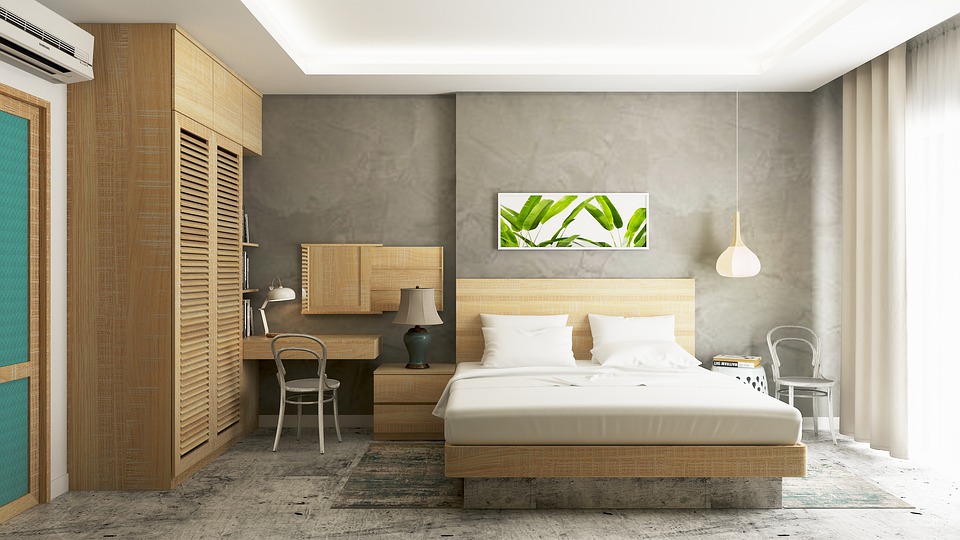
Preparing a house for the market requires strategic choices. Homeowners often struggle to figure out which updates bring the highest return. A fresh coat of paint and modern lighting help a lot, but the ground you walk on makes an immediate impact. Scratched wood, cracked tiles, or stained fabrics immediately tell a potential buyer that they will have to spend money before they can move in comfortably. If you want to sell your house faster and secure a better asking price, updating these surfaces is one of the most effective steps you can take.
The Psychology Behind Fresh Surfaces
When buyers walk into a house, they look for reasons to negotiate the price down. Worn out materials are an easy target. A house with brand new finishes feels clean, well maintained, and ready for a new family. You do not always need high end luxury materials to create this feeling. Buyers simply want to know they will not have to handle a messy renovation right after closing.
Cleanliness and a neutral color palette remove visual distractions, allowing the buyer to focus on the layout and the natural light instead of last year's pet stains. The goal of staging is to appeal to the widest range of people. Striking patterns or unusual colors might suit your personal taste, but they can easily push away a prospective buyer. Stick to medium tones for hard surfaces and soft neutrals for bedrooms to create an inviting blank canvas.
Upgrading the Bedrooms: Why Soft Materials Still Win
Hard surfaces dominate the main living areas in modern real estate, but bedrooms follow a different set of rules. Most buyers prefer something soft underfoot when they wake up in the morning. Replacing old, crushed bedroom materials is an inexpensive way to refresh the space and make the room smell better. Odors get trapped in older fibers and padding, and a deep clean rarely gets rid of them entirely.
When replacing these materials, putting the job in the hands of seasoned professionals makes a huge difference. A poor installation job leaves visible seams, loose corners, and strange lumps that catch the eye of a home inspector. Working with reputable carpet installers guarantees a tight, proper stretch across the room. A perfectly flat, neatly tucked edge against the baseboards signals quality to anyone touring the property. New, plush padding combined with a neutral, mid-grade loop or twist style gives the bedroom a clean hotel feel that appeals to almost every buyer.
Hard Surface Appeal for Main Living Areas
The living room, dining room, and kitchen handle the highest amount of foot traffic. Buyers want durability and easy maintenance in these zones. Hardwood remains a popular choice, but luxury vinyl plank has taken over a large portion of the market due to its realistic look and high water resistance. If your current living room has peeling linoleum or mismatched transitions between rooms, upgrading to a single, continuous hard surface makes the house feel larger and more cohesive.
Location and climate also play a role in what buyers expect. A house in a dry desert climate might benefit from cool ceramic tiles. On the other hand, buyers in damp or rainy regions prioritize water resistance and stability. For example, buyers looking at floors in vancouver or similar coastal real estate markets pay close attention to how well the materials resist moisture and humidity. Choosing a water-resistant luxury vinyl or engineered wood provides peace of mind to the new owner, making your listing stand out against older properties that still feature outdated or moisture-damaged surfaces.
The Impact of Color Choices on Buyer Perception
Selecting the right color is a critical step in preparing your house for the market. Dark woods or charcoals might look incredibly modern in a magazine, but they show every single spec of dust, pet hair, and footprint. A buyer walking through the house will immediately realize how often they will have to sweep. Very light or white surfaces have the opposite problem, showing every muddy shoe print.
The safest choice for staging is a medium toned neutral. Warm greige, classic medium oak, and soft honey tones are highly popular because they hide dirt well and complement almost any style of furniture. These colors also bounce natural light around the room, making small spaces feel open and airy. When buyers see a neutral base, they can easily picture their own couches, rugs, and artwork fitting perfectly into the room.
Handling Subfloor Issues Before Listing
You can buy the most attractive planks on the market, but if the foundation underneath is uneven, the final result will feel cheap. Buyers will notice squeaks, dips, and bouncing boards during a walkthrough. These subtle cues make people worry about hidden structural damage. Before putting down new materials, take the time to fix the subfloor.
Screwing down loose plywood stops the squeaks. Using a self-leveling compound fixes dips and uneven concrete slabs. A solid, quiet walk across the room builds confidence in the buyer. They might not consciously notice that the floor does not squeak, but they will definitely notice if it does. Fixing the foundation of your surfaces is just as important as picking out the right top layer.
Fixing Pet Damage and Lingering Odors
Selling a house with pets adds an extra layer of difficulty. Buyers without pets are highly sensitive to animal odors and scratches. If your dog has heavily scratched the wooden planks near the front door, or if a cat has stained the corner of a bedroom, a basic steam clean will not solve the problem.
Enzyme cleaners only go so far. Sometimes liquid seeps past the top layer and permanently damages the padding or subfloor below. In these cases, full replacement is the only option. When you pull up the old material, paint the subfloor with an odor sealing primer before installing the new layer. This traps any lingering smells inside the wood. Replacing pet damaged areas is not just a visual upgrade, it is an essential step to prevent buyers from walking out the door the moment they catch a bad scent.
Practical Takeaways for a Seamless Staging Process
Keep your updates simple and consistent. Using five different types of materials across a three-bedroom house breaks up the visual flow and makes the property feel small. Try to run the exact same hard surface through the hallways, living room, and kitchen. Use one consistent soft material for all the bedrooms.
Make sure to finish the details. Replace old, scuffed baseboards or give them a fresh coat of semi-gloss white paint. Add proper transition strips in doorways. These small finishing touches cost very little but make the entire project look highly professional. A buyer who sees crisp baseboards and properly installed surfaces feels comfortable making a strong offer because the house appears thoroughly cared for.
FAQ About Home Staging Secrets: Flooring Updates That Sell Your House Faster
Yes, replacing old, worn out materials consistently ranks as one of the best ways to increase your home value. Buyers prefer move-in ready properties and will pay a higher price to avoid dealing with renovations themselves.
While you do not need the exact same material in every single room, consistency is key. Using one continuous hard surface in the main living areas makes the space look larger, while using a consistent soft material in the bedrooms creates a cohesive feel.
Luxury vinyl plank is often the most cost-effective option for main living areas due to its durability and visual appeal. For bedrooms, a mid-grade neutral carpet provides a fresh, clean look without breaking your staging budget.
Preferences vary, but many buyers still appreciate the warmth and comfort of soft materials in bedrooms. It reduces noise and makes the space feel cozier, making it a very safe and affordable choice for home sellers.
If you have solid hardwood floors with minor surface scratches, a professional sand and refinish is usually cheaper and highly attractive to buyers. However, if the wood has deep water damage or warping, full replacement is the better path.