Gutter Care That Protects a Boston Rental Property
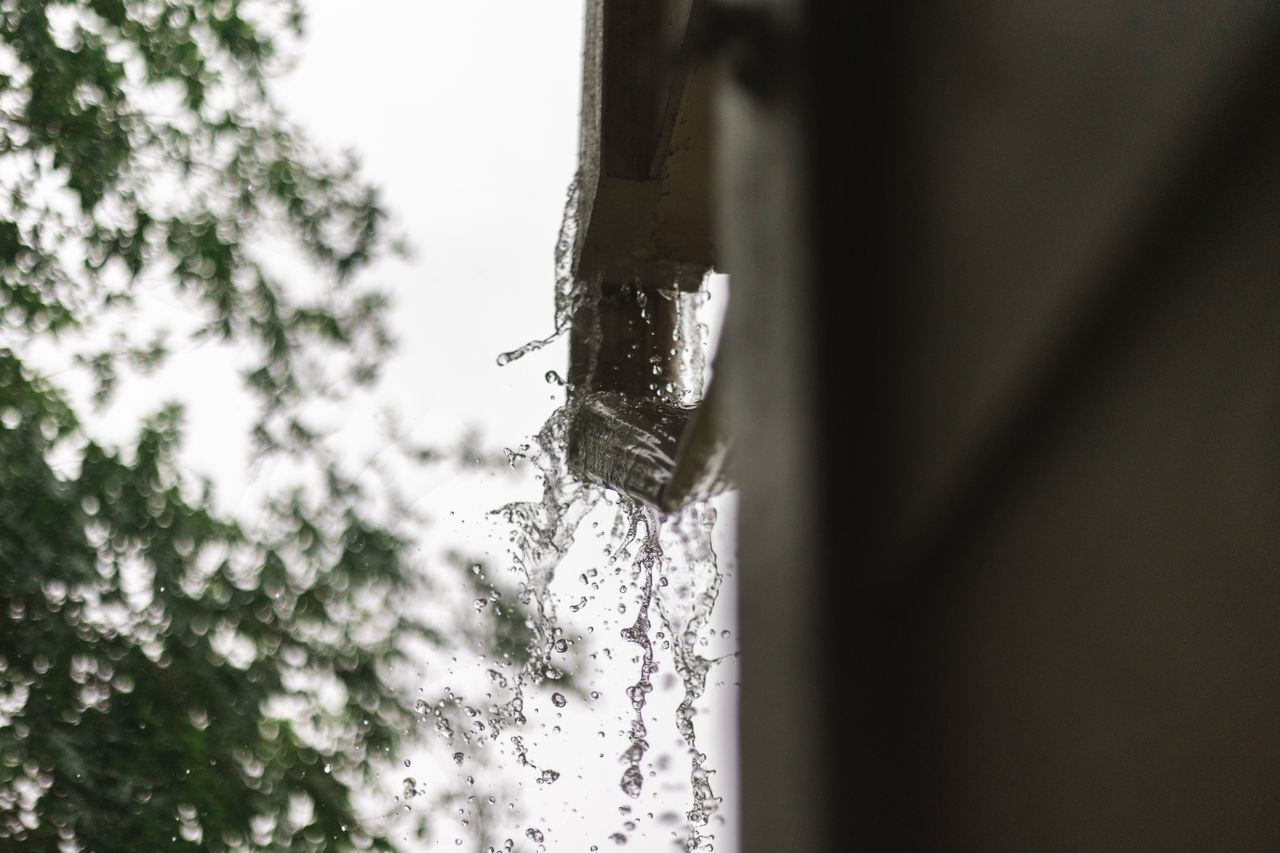
Boston weather is hard on a roofline. The city averages about 44 inches of rain and roughly 49 inches of snow each year, and every drop has to go somewhere. When gutters clog or sag, that water spills against the walls and works its way toward the foundation. Renters notice it as a damp closet, while owners notice it as a repair bill. The older housing stock makes this worse, since many local homes were built before 1940.
A clear gutter is the cheapest insurance a property has. Most homes near the coast need their channels cleared at least twice a year, and older triple-deckers often need more. If a roofline is past saving, a clean replacement such as seamless gutter installation by Urban restores proper flow without the leak-prone joints of sectional systems. That single upgrade can spare years of water trouble.
Why Gutters Matter More for Renters Than They Think
Renters rarely climb a ladder, yet they live with the results of a failed gutter every day. A blocked downspout near an entry turns a walkway into an ice sheet by January. A dripping seam stains the siding and invites mold along an interior wall. Damp air also strains a heating bill, since wet insulation loses much of its value.
Spotting trouble early protects a security deposit and a landlord relationship. A failed gutter rarely fixes itself, and small leaks grow over a single winter. A clear phone photo gives the owner proof and a precise location. Three signs deserve a quick photo and a maintenance request:
- Overflow: water sheeting over the front edge during any steady rain.
- Stains: vertical streaks on siding directly below a gutter joint.
- Pooling: puddles that sit near the foundation for more than 24 hours.
The same risks show up in plain federal guidance on flood basics, which treats standing water near a wall as a real threat. A single home faces the same physics as a whole street. Catching it early keeps a minor chore from becoming a major claim. A tenant who reports a problem fast also builds goodwill with the owner. That trust matters when a lease renewal comes up.
What Routine Gutter Maintenance Actually Involves
Good gutter care is simple and repeatable. The goal is to keep water moving from the roof to a point at least 4 feet from the wall. Skip that, and the foundation pays the price. Most of the work takes basic tools and a free Saturday. The payoff is a dry wall and a quiet winter.
A basic seasonal routine covers most homes:
- Clear debris from channels and downspouts twice a year.
- Flush each run with a hose to confirm the slope drains.
- Check every hanger and bracket for rust or a loose screw.
- Extend downspouts so they release well past the foundation.
Spring and late fall are the key windows in New England. Maple and oak leaves drop fast in October, and they pack a channel within weeks. A 20-minute check after the leaves fall saves hours of repair later.
Winter adds its own load, since ice dams form when meltwater cannot drain. A clear channel lets that water leave the roof before it refreezes at the edge. Keep a simple log of each cleaning date. That record helps a tenant and an owner share the same plan.
Counting the Real Cost of Ignored Gutters
Deferred maintenance is rarely cheap. A single foundation crack repair can run $2,000 to $7,000, and interior water damage adds more. Mold remediation alone often starts near $500 for a small affected area. Compare those numbers to a routine cleaning, which often costs $150 or less.

The math gets clearer once you treat upkeep as a line item. Renters who track their housing budget already know that, and a clear view of understanding rent expense from an accounting perspective makes the case for prevention obvious. A small recurring cost beats a sudden five-figure one. Landlords feel it too, because a flooded unit can sit empty for weeks. Lost rent stacks on top of the repair, so the true cost climbs fast.
Water that misses the gutter still has to drain somewhere. A rain garden is one tested fix, and a planted basin that absorbs roof runoff can cut the volume hitting a wall by a wide margin. Owners with a yard often pair the two.
A short downspout extension is the cheaper first step. It moves the water well clear before the soil can soak it up. Either way, the simple fix costs far less than a wet basement.
Hiring Help Versus Doing It Yourself
Many small repairs are within reach of a steady hand. A homeowner with a stable ladder can clear leaves, tighten a bracket, or reset a downspout in an afternoon. The right tools matter here, and a quick read on smart tool choices for tight spaces helps anyone working without a full workshop.
Some jobs belong to a pro. Two situations call for a hired crew:
- Reach: a roofline above 2 stories is dangerous from a ladder.
- Replacement: cutting and hanging a full run takes the right gear.
Falls send thousands of people to the hospital each year, so no cleaning job is worth that risk.
Here is a quick way to draw the line:
- DIY: clearing debris, flushing runs, tightening loose hardware.
- Call a pro: any work above 20 feet or on a steep pitch.
- Replace: when joints leak after two or more patch attempts.
A licensed installer also reads the roof. They size the channel to the pitch, set the slope, and place downspouts where the water load is heaviest. That judgment is worth the fee on a property you plan to keep.
Before a crew starts, confirm a few basics:
- Insurance: proof of liability and worker coverage.
- Warranty: at least a 5-year guarantee on labor.
- Quote: a written price for the full run, not a rough number.
Frequently Asked Questions
How Often Should Boston Gutters Be Cleaned?
Clean them at least twice a year, in late spring and again after the autumn leaf drop. Homes near heavy tree cover may need a third pass in midsummer. A 20-minute check after a big storm also catches early clogs before they spread.
Can a Renter Be Charged for Gutter Damage?
Usually not, since exterior upkeep is the owner's job under most Massachusetts leases. Report any overflow or staining in writing right away. A dated photo protects you if a deposit dispute comes up later.
Are Gutter Guards Worth the Cost?
Often yes for homes under tall trees, where guards cut cleaning frequency by half. They still need an annual check, because fine debris slips through. Budget roughly $7 to $12 per linear foot installed for a quality mesh product.
What Happens If Gutters Are Left Clogged?
Water backs up under the roof edge and spills toward the foundation. Over a few seasons that causes rot, basement leaks, and cracked footings. The repair often costs far more than years of routine cleaning.