Common Inspection Mistakes When Buying a Home With a Septic System
Purchasing a home with a septic system requires a different level of due diligence compared to properties connected to municipal sewer systems. While many buyers focus on visible features such as structure, layout, and finishes, the septic system often receives less attention. This oversight can lead to unexpected repairs, health risks, and long-term costs that could have been avoided with a more thorough inspection process.
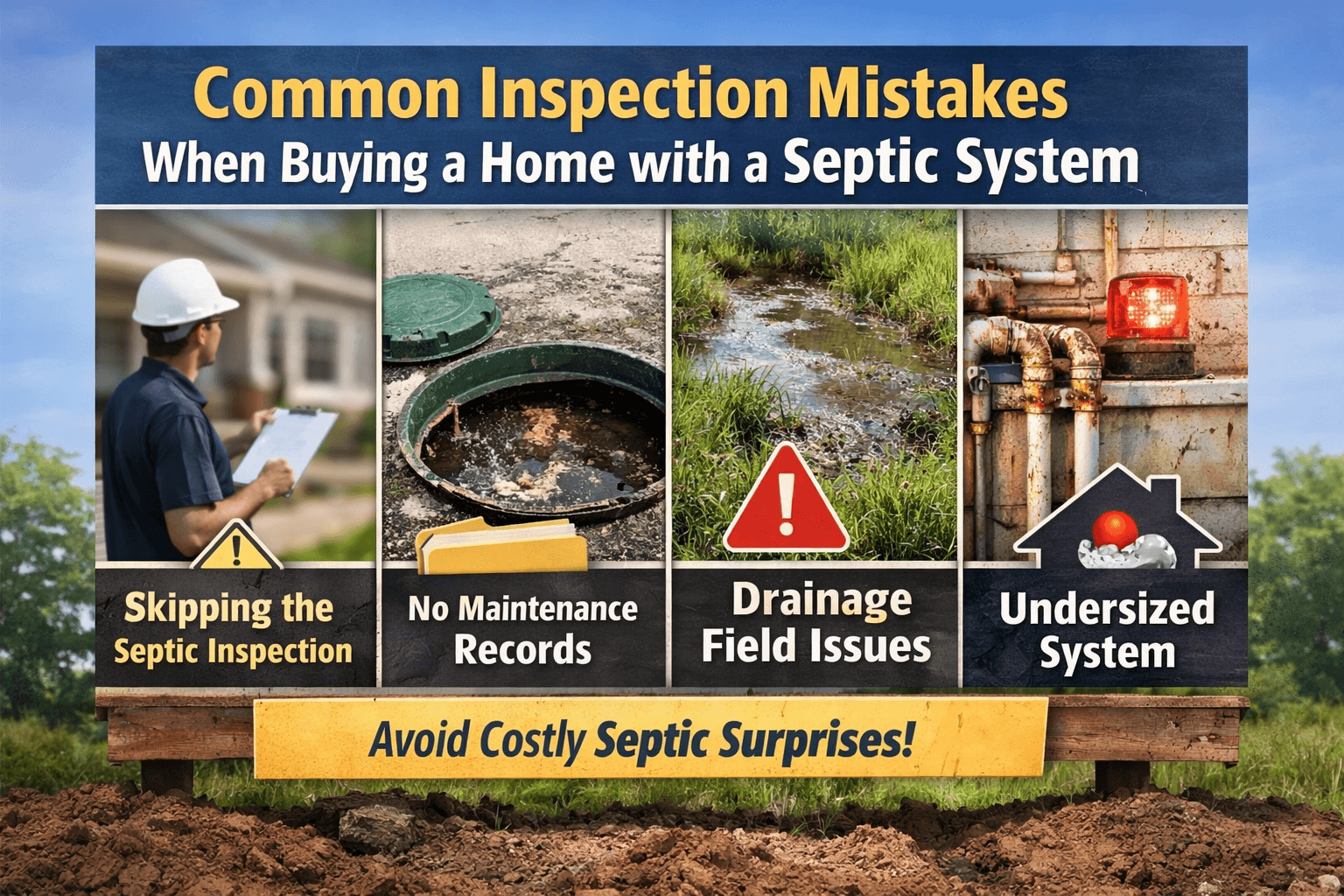
Recognizing the most common inspection errors enables buyers to make well-informed decisions and safeguard their investment.
Overlooking the Importance of a Dedicated Septic Inspection
One of the most frequent mistakes is relying solely on a general home inspection. While home inspectors provide valuable insights, septic systems require specialized knowledge and equipment. A standard inspection may not assess the tank condition, drainage field performance, or overall system functionality.
A professional septic inspection typically includes locating the system, checking sludge and scum levels, evaluating structural integrity, and testing how well the system processes wastewater. Skipping this step increases the risk of purchasing a property with an already failing system.
Failing to Review Maintenance and Pumping Records
Septic systems rely significantly on regular upkeep to function properly. Buyers often neglect to request documentation related to pumping schedules, repairs, or past inspections. Without these records, it becomes difficult to determine how well the system has been maintained.
A lack of maintenance history may indicate neglect. Systems that have not been pumped regularly are more likely to experience blockages, overflow issues, and premature failure. Reviewing records provides insight into the system's lifespan and potential future expenses.
Ignoring the Condition of the Drainage Field
The drainage field plays a vital role in a septic system, but it is often neglected during the inspection process. Buyers may focus on the tank itself without considering how wastewater is dispersed and absorbed into the soil.
Warning signs such as soggy areas, foul odors, or unusually lush grass growth can indicate problems within the drainage field. These issues often point to saturation or system overload, both of which can lead to costly repairs. Evaluating the surrounding land is just as important as inspecting the tank.
Misjudging System Capacity for Household Needs
Another frequent oversight is not evaluating whether the septic system is properly sized to meet the needs of the property. System capacity is typically based on the number of bedrooms rather than the number of current occupants.
If a home has been modified or expanded without upgrading the septic system, it may not be able to handle the expected wastewater volume. This mismatch can result in frequent backups and reduced system efficiency. Buyers should confirm that the system aligns with the property's intended use.
Not Checking for Signs of Previous Repairs or Failures
Septic systems that have undergone repairs are not necessarily problematic, but buyers should understand the nature and extent of those repairs. Some issues may be temporary fixes rather than long-term solutions.
During the inspection process, it is important to look for signs such as replaced components, patched areas, or recently disturbed soil. These indicators may suggest past failures or ongoing concerns. A trained inspector can assess these observations and advise whether additional evaluation is necessary.
Overlooking Environmental and Soil Conditions
The effectiveness of a septic system depends heavily on soil composition and environmental factors. Buyers often overlook how elements such as soil type, groundwater levels, and seasonal weather patterns can impact system performance.
For example, clay-heavy soil may drain poorly, while high groundwater levels can interfere with proper wastewater treatment. Understanding these conditions helps buyers anticipate potential challenges and maintenance requirements.
Assuming All Systems Operate the Same Way
Septic systems vary in design and function. They can include conventional setups, aerobic treatment units, and advanced filtration systems, each with distinct maintenance needs, expected lifespan, and performance features.
Buyers who assume all systems function similarly may overlook important details specific to the system installed on the property. Gaining a basic understanding of the system type ensures more accurate expectations and better long-term management.
Neglecting Professional Guidance
Perhaps the most significant mistake is attempting to navigate the inspection process without expert input. Septic systems are intricate and typically out of sight, which often leads to them being overlooked or underestimated.
Seeking expert input helps ensure every component of the system is thoroughly assessed. Working with specialists who provide septic services for rural properties can offer valuable insights into system condition, maintenance needs, and potential risks associated with the property.
Final Thoughts
A septic system plays a crucial role in a home's functionality, yet it is often one of the least understood components during the buying process. Overlooking key inspection steps can lead to costly consequences and ongoing issues that affect both comfort and property value.
By steering clear of these common errors and focusing on a detailed assessment, buyers can move forward with greater confidence in their decision. Investing time in proper inspection and expert consultation ultimately leads to a more informed decision and a more secure long-term investment.