Five Questions Every HOA Should Ask Before Approving Roof Work
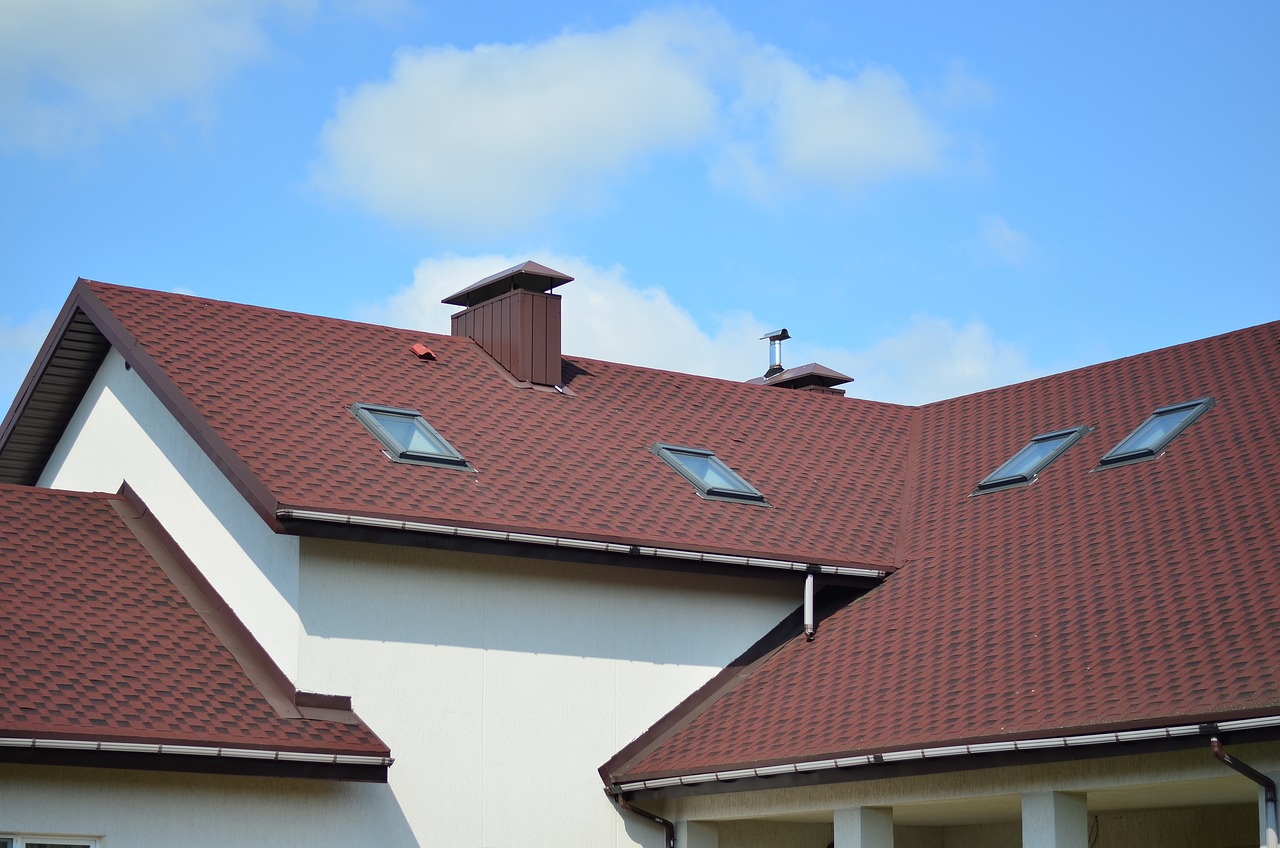
HOA roof approvals affect budgets, schedules, warranties, and resident impact. Measurement accuracy, material quantities, permit timing, weather limitations, and contractor qualifications determine financial exposure and operational control. Proposals combining repairs, partial replacements, and full-system replacements into a single scope increase the likelihood of disputes, change orders, and cost overruns once construction begins.
Consistent approval outcomes depend on assigned responsibility, documented scope confirmation, credential verification, resident communication planning, weather delay rules, and defined inspection procedures. Written approvals, labeled inspection photos, manufacturer confirmations, and enforceable checkpoints establish accountability. Applying structured review questions before authorization reduces ambiguity, limits unplanned expenses, and supports consistent decision-making across roof projects of varying size and complexity.
Who Owns Scope Accuracy?
Designating a single accountable roofing specialist for scope accuracy reduces pricing disputes and material errors. That individual must confirm measurements, roof areas, penetrations, drainage paths, and accessory quantities before approval. Require a signed scope addendum attached to the contract that clearly distinguishes repairs, partial replacements, and full-system replacement work in compliance with HOA governing documents.
Procedures should define how concealed deck damage, insulation replacement, or structural issues are identified. Include inspection triggers, photo documentation requirements, and pre-approved unit pricing or capped contingencies. Require written sign-off on quantities before material orders and apply strict change-order rules after approval. Centralized responsibility with documented validation limits post-approval cost increases and scope disagreements.
What Verifies the Contractor's Proposal?
Manufacturer confirmation links specified materials to approved installation methods. Require written documentation showing the proposed roofing system is approved for the roof type, slope range, fastening pattern, and assembly layers. Confirm approval of flashings, underlayment, ventilation, and accessory components to protect warranty eligibility.
Independent credential verification reduces liability exposure. Collect current contractor licenses, bonding documentation, and insurance certificates showing coverage limits and required endorsements. Require dated field photos labeled by building elevation and roof section to document existing conditions. Review sample warranty documents for material coverage, labor responsibility, exclusions, and transfer terms. Make delivery of these items a condition of contract execution, not a post-approval task.
How Will Daily Disruption Be Controlled?
Defined daily work limits reduce resident complaints and prevent scheduling confusion. Require written start and end times, equipment staging locations, approved access routes, and clearly marked restricted areas before work begins. Include a resident notification plan outlining daily schedules, allowable noise periods, temporary parking changes, and debris handling methods.
Set clear cleanliness standards for sidewalks, entrances, parking areas, and shared grounds, with required cleanup at the end of each workday. Provide contact information for an on-site representative authorized to address resident concerns and correct violations immediately. Centralized communication and documented expectations reduce board involvement and maintain consistent oversight throughout the project duration.
What Happens When Weather Interrupts Work?
A written weather-delay policy defines schedule and cost responsibility before work begins. Contractors must document weather thresholds that require stoppages, communication timelines, and restart procedures. Approved temporary dry-in materials and installation methods must be identified to protect exposed decking, penetrations, and interior areas. Require dated photos after interruptions to confirm coverage and document compliance with protection requirements.
Payments should be tied to completed and inspected roof sections rather than calendar milestones. Contracts must specify responsibility for added labor, material storage, and replacement materials during repeated delays. Define the approval process for weather-related change orders in advance. Adopting these requirements before contract execution limits financial uncertainty, reduces disputes, and maintains consistent project oversight during extended weather disruptions.
How Is Final Work Confirmed?
A defined closeout process creates measurable acceptance standards. Require a completion checklist covering flashing, terminations, drainage flow, surface condition, and alignment with contract drawings and manufacturer specifications. Include tolerance limits, dated photo requirements tied to checklist items, and written sign-off by a qualified inspector.
Hold retainage until all punch-list items are corrected and documented. Require proof that manufacturer warranty registrations were submitted on the association's behalf. Collect final permits, inspection reports, completion photos, and warranty confirmations. Archive records in the association's permanent files using consistent naming and indexing. Structured closeout documentation reduces disputes and supports future maintenance and resale disclosures.
Clear roof approval standards depend on assigned responsibility, verified scope accuracy, contractor credential validation, disruption controls, weather delay planning, and documented closeout procedures. Applying these five questions before approval limits cost overruns, schedule disputes, and resident complaints. Written evidence, labeled inspections, manufacturer confirmations, and indexed records strengthen accountability and protect warranty eligibility. Treating each question as a required approval checkpoint supports consistent governance and disciplined procurement. Boards that apply these controls make defensible decisions, reduce administrative burden, and protect association assets. Structured review before authorization improves transparency and reduces risk across budgets, timelines, compliance obligations, and long-term property management responsibilities.
Published 12/22/25