How to Choose a Dining Table for Apartment Living
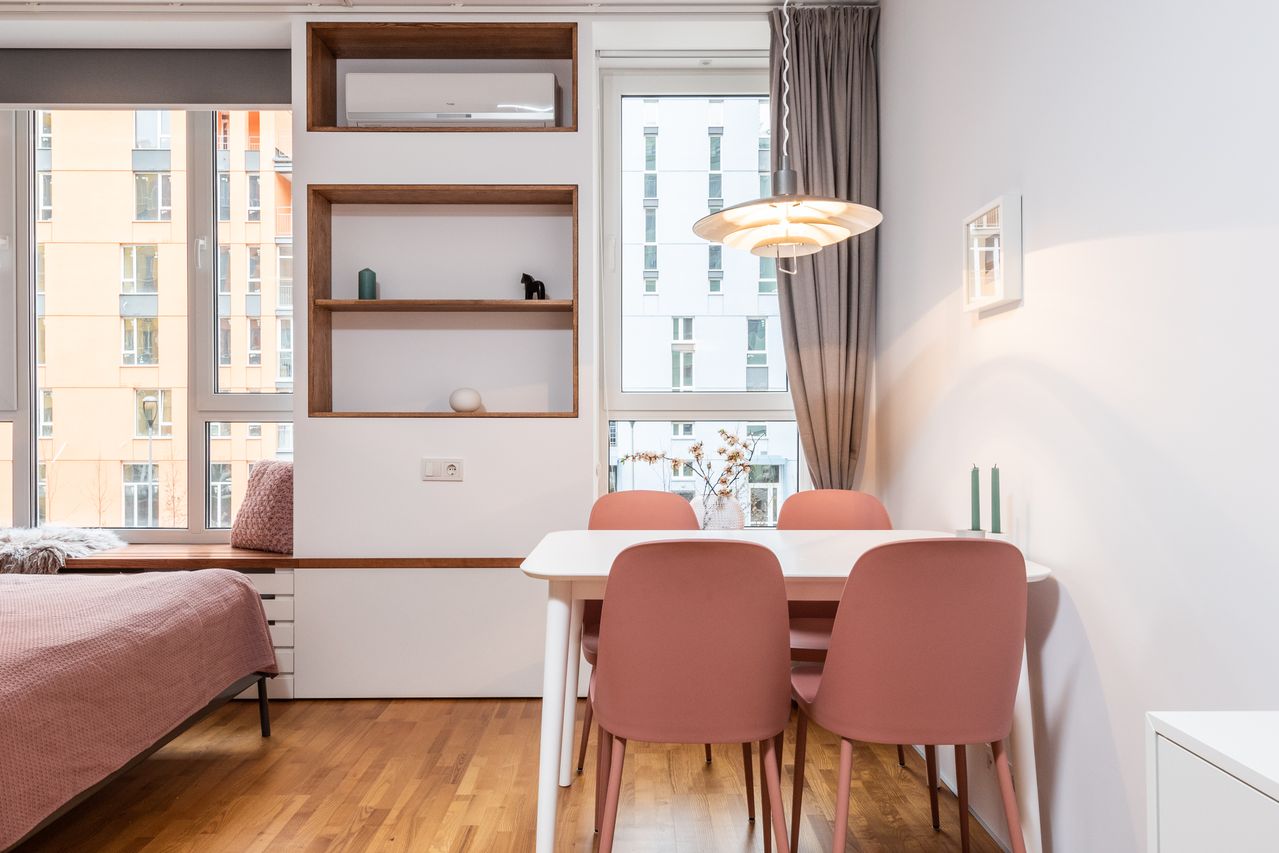
In a small apartment, the dining table earns its keep harder than any other piece of furniture. It is where you eat, work, host, and sometimes all three in one day.
That makes the choice worth getting right. A workshop offering handmade dining tables from reclaimed wood shows what a lasting piece can look like, even in a compact home. Here is how to find the table that fits your space and your life.
Why Does a Dining Table Matter In a Small Space?
Because it often doubles as the heart of the home. In a tight floor plan, one good table does several jobs at once.
It anchors the room. A well-chosen table gives an open-plan studio a clear center, separating the eating area from the rest without a single wall.
It also works overtime. The same surface becomes a desk by day, a dinner spot by night, and a place to gather when friends come over. In city living, that flexibility is worth more than extra square footage.
So the table is not just furniture. In a small apartment, it is the piece that quietly shapes how the whole space functions.
How Do You Pick the Right Size for an Apartment?
By measuring first and shopping second. The biggest mistake is buying a table that swamps the room. Work through these steps:
- Measure the space. Leave about 36 inches around the table to move.
- Count the seats. Plan for how many people you really host.
- Check the shape. Round tables save room in tight corners.
- Consider extending. A drop-leaf adapts from 2 to 6 seats.
- Mind the doorways. Make sure it fits through on the way in.
Each step prevents a costly return. A table that looks great in a showroom can overwhelm a real apartment.
Shape matters most in small rooms. Round and oval tables ease traffic flow, while a slim rectangle hugs a wall when needed.
What Makes a Dining Table Worth the Investment?
Quality that outlasts several apartments. A cheap table shows wear fast, while a solid one follows you for decades.

Material is the foundation. A solid wood table built well can last a lifetime, which is why buying things that last beats replacing flat-pack furniture every few years. It is kinder to your wallet and the planet.
Reclaimed wood adds another layer. Tables made from salvaged or urban lumber carry real character, and the recycling benefits are a quiet bonus. A piece with history often suits a city apartment better than something mass-produced.
So value is about longevity, not the lowest price. The right table is a purchase you make once and enjoy for years.
Which Table Styles Suit Apartment Living?
The ones that flex with a small footprint. A few styles consistently win in tight spaces. The table below frames them.
| Style | Why It Works in an Apartment |
|---|---|
| Drop-leaf | Folds down when you need the floor |
| Round pedestal | No corners, easy to seat extra guests |
| Narrow console | Doubles as a desk or buffet |
| Extendable | Scales from daily use to dinner parties |
A few quick pointers help the final call:
- Light wood tones make a room feel larger.
- Leave at least 24 inches of width per seated person.
- Choose 1 versatile shape over a bulky statement piece.
Each option earns its place in a small home. The same logic applies to other small spaces, where flexible furniture beats fixed bulk every time.
How Do You Care for a Wood Table In a Rental?
Gently, and with a little routine. A few habits keep a wood table looking new through several moves.
Protect the surface first. Coasters, placemats, and a quick wipe after meals prevent the rings and stains that age a table fast. Keep it out of direct sun to avoid fading.
Then think ahead to moving day. A quality table is worth protecting during a move, and the realities of city living make a durable, easy-to-handle piece even more worthwhile. Treated well, a good table arrives at each new apartment as solid as the day you bought it.
So care is mostly small, steady effort. A little attention protects a piece that can serve you for decades.
Before You Buy a Dining Table
In a small apartment, the table is the hardest-working piece.
- Measure the space before you fall for a style.
- Round and extendable tables suit tight floor plans.
- Solid, reclaimed wood lasts far longer than flat-pack.
- Simple care keeps a good table looking new for years.
A Table That Grows With You
Choosing a dining table for an apartment is really about choosing how you want to live in the space. Measure honestly, favor flexible shapes, and invest in a piece built to last rather than the cheapest option. Care for it well, and a single good table will host countless meals, late work nights, and gatherings across every apartment you call home.
Frequently Asked Questions
What Size Dining Table Fits a Small Apartment?
Aim for a table that leaves about 36 inches of clearance on all sides so people can move and sit comfortably. For most small apartments, a table seating four works well, with an extendable or drop-leaf option for occasional guests. Always measure your space and doorways before buying to avoid an awkward fit.
Are Round or Rectangular Tables Better for Apartments?
Round tables often suit small spaces better because they have no sharp corners and ease traffic flow in tight rooms. They also seat extra guests more flexibly. That said, a slim rectangular table can hug a wall and save space in a narrow layout. The best shape depends on your specific floor plan.
Is a Solid Wood Dining Table Worth It for a Renter?
For many renters, yes. A solid wood table lasts far longer than cheap flat-pack furniture and can move with you from apartment to apartment for years. While the upfront cost is higher, the long lifespan often makes it cheaper over time, and reclaimed-wood options add character and sustainability.
How Do I Protect a Wood Table In a Rental?
Use coasters, placemats, and trivets to guard against rings, scratches, and heat marks, and wipe up spills quickly. Keep the table out of direct sunlight to prevent fading. During a move, wrap and transport it carefully. These simple habits keep a wood table looking great through several rentals.