How to Host a Block Party in Boston: The Complete Guide
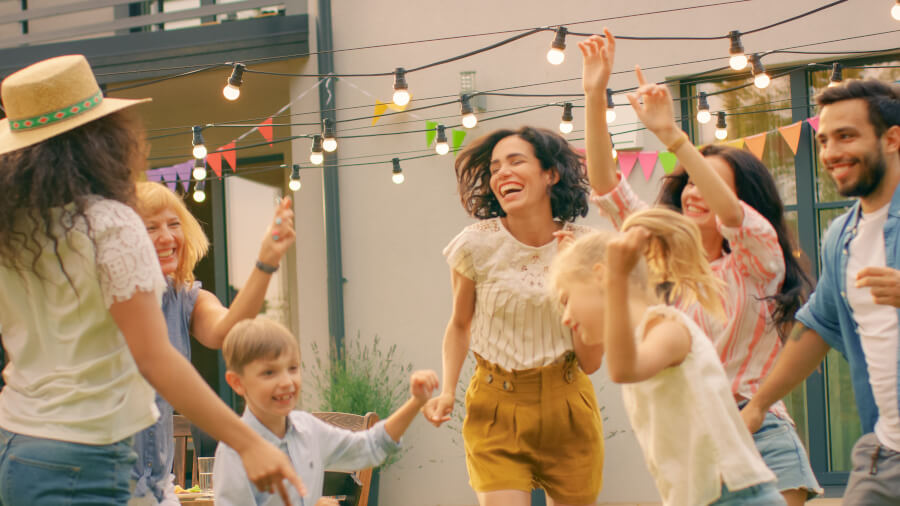
There's nothing quite like a summer afternoon when the cars disappear, the kids spill into the street with sidewalk chalk, and neighbors who usually just wave hello finally sit down at the same potluck table. Block parties are one of the simplest, most joyful ways to turn a street full of strangers into an actual community, and in Boston the City makes it surprisingly doable.
Here's everything you need to know to throw one, from the permit you'll need to the grant money that can help pay for it.
The One Thing You Actually Need: A Play Street Closing Permit
To host a block party on a public street in Boston, the City requires what's officially called a Play Street Closing Permit. It does exactly what it sounds like: it lets you close a residential street to through-traffic so you and your neighbors can use the road and sidewalks for the day.
With this permit in hand, you can:
- Gather and connect with neighbors
- Play street games like foursquare and double-dutch
- Set out sidewalk chalk, bubbles, and similar activities
- Arrange chairs, tables, tents (10x10 feet or smaller), and other easily movable items
- Host a potluck and serve free food
The permit is free, and the City genuinely encourages residents to hold block parties that are free and open to the public.
How and When to Apply
You apply online through the City's permit portal at onlinepermitsandlicenses.boston.gov/playstreet. If it's your first time doing City business online, you'll set up an account, and the good news is that same login carries over to future block parties and other City services. You can even copy an old application to repeat the event in future years.
Timing is the part people get wrong, so plan ahead. You should apply at least 30 days before your event, and approval takes roughly 30 business days. After you submit, your application is reviewed by both the Boston Transportation Department and the Boston Police Department, who look at logistics, traffic impact, and public safety. A City staffer may call you with questions or suggestions about timing and which part of the street to close.
If you have questions or your permit is taking longer than expected, the Boston Transportation Department permit branch can help at btdpermitbranch@boston.gov or 617-635-4680, and your local Mayor's Office of Neighborhood Services liaison is a great resource too.
What the Basic Permit Does Not Cover
This is the most important section to read before you start planning, because a lot of "classic block party" features actually require extra permits. The Play Street Closing Permit by itself does not allow any of the following on the street or sidewalk:
- Alcoholic beverages
- Amplified music, stages, or risers
- Grills of any kind (propane, wood, charcoal, or electric)
- Food trucks or food being prepared on the street
- Inflatables like bouncy houses
- Carnival rides, petting zoos, or pony rides
- Street vendors or selling items
If you want any of these on public property, you'll need to file a separate Outdoor Public Event application, and that process can take up to 30 business days on its own. There's one big shortcut worth knowing: if you can place these items on private property instead, such as a host's driveway, yard, or porch, you generally won't need the extra permits at all. That's by far the quickest and easiest path, so if someone on the block is willing to host the grill or the bouncy house on their own lot, take them up on it.
Free Money: The Boston Block Party Grant
Here's the part a lot of people don't realize. Through Mayor Wu and the Office of Civic Organizing, the City offers grants of up to $750 to residents and community groups hosting a block party. The money can go toward water and non-alcoholic drinks, lawn games, snacks, entertainment, and more.
To be eligible:
- The block party must be free and open to the public
- It must take place on a public street with an approved street closure (sidewalk-only parties, park gatherings, and other public spaces don't qualify)
- It must happen between May and September
- You must complete a Play Street Closing Permit and obtain a Vendor ID beforehand
- Only one grant per street is issued
A few things that disqualify you: being a City of Boston employee (or the immediate family of one), and applying as a for-profit business or political organization. The grant application form appears after you submit your Play Street Permit application through the same platform, and you can get a Vendor ID through the City's procurement department.
A timing note worth flagging: for the 2026 program, the City listed an application deadline of Monday, June 8, 2026, at 5 p.m., so if you're reading this around that window, you'll want to move fast or check whether a new cohort or deadline has opened. Submitting the application doesn't guarantee funding, and the City prioritizes review based on how soon your event date is.
The City has also been encouraging block parties tied to the Boston 250 celebrations and the 2026 World Cup, including watch parties and neighborhood gatherings, so there's extra enthusiasm (and potentially funding) for community events this year.
Refining Your Plan and Being a Good Neighbor
Once your permit is approved, a little legwork makes the day go smoothly:
Talk to your neighbors first. The City strongly encourages outreach before you even apply. In rare cases, a permit or grant can be denied or revoked if a lot of residents on the street raise concerns, so getting buy-in early matters. The City offers a printable sample block party flyer you can hand out with the date, time, activities, and details on how to attend or volunteer.
The permit does not remove parked cars. This trips people up every year. You'll need to ask neighbors and guests to move their vehicles in advance if you want a clear street.
Keep a 20-foot emergency lane open at all times. The Boston Fire Department and EMS require an unobstructed 20-foot aisle running the full length of the block so emergency vehicles can get through.
Close the street the right way. Use caution tape, traffic cones, and other easily removable barriers. You cannot park vehicles across the street to block it off, again, because fire trucks need to pass. As the City puts it, this is a block party, not a drive-in.
Keep your permit on hand. Print a copy in case neighbors, guests, or City staff have questions about the event.
Plan for dietary needs. If you're serving food, consider options for guests with allergies and dietary restrictions.
One small heads-up: the City's old Block Party play kits are no longer available, since too many pieces went missing or broke over the years, so plan to bring your own games and supplies.
The Bottom Line
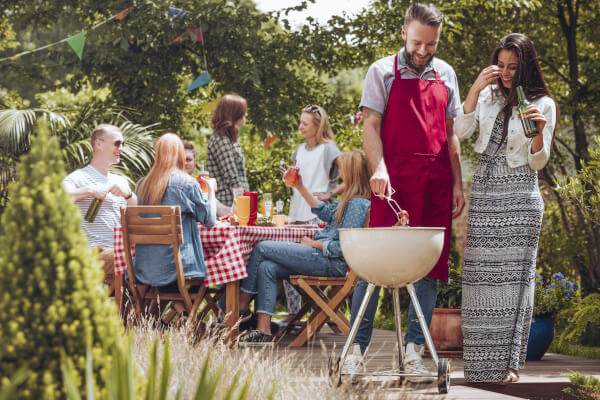
Hosting a Boston block party comes down to a simple sequence: do some early outreach with your neighbors, apply for your Play Street Closing Permit online at least 30 days out, decide whether you need an Outdoor Public Event permit for extras like music or grills (or just keep those on private property), and look into the up-to-$750 grant to help cover costs. Handle the paperwork early and the rest is the easy part, blocking off the street, setting up the tables, and watching your neighborhood come together.
For full details, the official application, and the latest grant deadlines, visit the City of Boston's "How to Host a Block Party" page at boston.gov, or contact the Office of Civic Organizing at civicorganizing@boston.gov.
Permit timelines, grant amounts, and deadlines are set by the City of Boston and can change. Confirm current details on boston.gov before you apply.
Frequently Asked Questions
What permit do I need to host a block party in Boston?
You need a Play Street Closing Permit from the City of Boston. It lets you close a residential street to through-traffic so you and your neighbors can use the road and sidewalks for the day. With it you can host a potluck, gather neighbors, play street games, set out sidewalk chalk and bubbles, and arrange chairs, tables, and small tents (10x10 feet or smaller). The permit is free, and the City genuinely encourages block parties that are free and open to the public.
How far in advance do I need to apply for a Boston block party permit?
Apply at least 30 days before your event. Approval takes roughly 30 business days. Applications are reviewed by both the Boston Transportation Department and the Boston Police Department, who look at logistics, traffic impact, and public safety. A City staffer may call with questions or suggestions about timing and which part of the street to close. Submit at onlinepermitsandlicenses.boston.gov/playstreet.
What's NOT covered by a basic Play Street Closing Permit?
The basic permit does not allow alcoholic beverages, amplified music, stages or risers, grills of any kind (propane, wood, charcoal, or electric), food trucks or food preparation on the street, inflatables like bouncy houses, carnival rides, petting zoos, pony rides, street vendors, or selling items. To add any of those on public property you need a separate Outdoor Public Event application, which also takes up to 30 business days. The fastest workaround is to keep those items on private property — a driveway, yard, or porch — which usually skips the extra permits entirely.
Is there grant money available for Boston block parties?
Yes. Mayor Wu and the Office of Civic Organizing offer grants of up to $750 to residents and community groups hosting a block party. The funds can cover water and non-alcoholic drinks, lawn games, snacks, and entertainment. To qualify, the party must be free, open to the public, held on a public street with approved closure, and take place between May and September. You also need a completed Play Street Closing Permit and a Vendor ID, and only one grant per street is issued.
Who is NOT eligible for the Boston Block Party Grant?
City of Boston employees (and their immediate family) are not eligible, and for-profit businesses and political organizations can't apply either. Sidewalk-only parties, park gatherings, and other public spaces don't qualify — it has to be a public-street closure with an approved permit. Submitting the application doesn't guarantee funding, and the City prioritizes review based on how soon your event date is.
Do I need to remove parked cars from the block party street?
Yes — the permit doesn't remove parked cars automatically. You'll need to ask neighbors and guests to move their vehicles in advance if you want a clear street. This trips people up every year, so plan the outreach early. Close the street with caution tape, traffic cones, and other easily removable barriers — you can't park cars across the street to block it off because emergency vehicles need access.
What emergency access does a Boston block party require?
The Boston Fire Department and EMS require an unobstructed 20-foot aisle running the full length of the block at all times so emergency vehicles can pass. Layout your tables, chairs, tents, and activities with that lane in mind from the start. Keep a copy of your permit on hand the day of in case neighbors, guests, or City staff have questions.
Should I tell my neighbors before applying?
Yes — the City strongly encourages outreach before you even apply. Permits or grants can be denied or revoked in rare cases if a lot of residents on the street raise concerns, so early buy-in matters. The City offers a printable sample block party flyer you can hand out with the date, time, activities, and details on how to attend or volunteer.