How a Motorized TV Lift Transforms Your Living Space
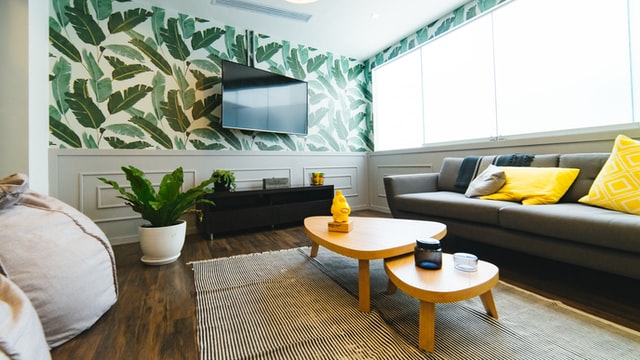
Walk into most living rooms and the furniture arrangement tells you everything. The sofa faces the television. The chairs angle toward it. The whole room is organised around a screen that's doing nothing for eighteen hours a day. Nobody decided this was what they wanted. It's just what happens when a large black rectangle gets mounted on the wall and everything else has to work around it.
A motorized TV lift gives the room back. The screen appears when you actually want it and disappears when you don't. It sounds like a luxury feature. It changes how a space feels to live in more than most renovation decisions twice the cost.
What's Actually Happening Inside
A tv lift is a motorized platform sitting inside a housing. The television mounts to the platform. Press the button, the motor runs, the platform rises, the screen appears. Press it again, it retracts. The mechanism runs on 12V DC and on a well-engineered system operates quietly enough that you stop noticing it within a week.
Most quality systems include limit switches that cut the motor automatically when the platform reaches its top or bottom position. This protects the mechanism from running past its travel limits, which matters more than it sounds because an actuator that consistently overruns its limits develops problems faster than one that stops cleanly.
Control options range from a basic wall switch to full smart home integration. The mechanism itself is the same either way. A relay input on the controller lets it respond to any home automation system that can provide a trigger signal. From there, the television rising becomes part of how the room works rather than a separate thing to operate.
Where It Makes the Most Difference
Bedrooms are the clearest case. A television that rises from an ottoman at the foot of the bed for evening viewing and retracts for sleeping removes the screen from the room when it's not in use. The bedroom looks like a bedroom. The last thing you see before sleep isn't a dark screen.
An end-of-bed ottoman is the cleanest implementation of this. The lift mechanism and television live inside an upholstered piece that reads as furniture until you want to watch something. Self-contained, moves with you if you relocate, no structural modification required.
Living rooms benefit differently. A media console or credenza with a pop-up mechanism means the television exists when called and doesn't when the room is used for anything else. Dinner parties, reading, just sitting, none of these happen in front of a black rectangle taking up the primary wall. The furniture looks like furniture when the screen is down.
Home offices are an underused application. A screen that rises for video calls or presentation viewing and lowers when the desk needs to function as a workspace again makes a multipurpose room actually multipurpose rather than just a room with two things crammed into it.
The DIY Version Is More Achievable Than It Looks
The mechanism itself comes as a kit. Actuators, platform, control box, switch or remote receiver. The housing, cabinet, or furniture piece that surrounds it is where the craft work lives, and that's standard carpentry.
An ottoman build follows a straightforward sequence. Build or source the box. Confirm the internal dimensions against the mechanism and television measurements. Install the lift mechanism with the platform sitting inside the body. Mount the television to the platform. Route the cables properly. Connect the control switch. Done.
The electrical side is simpler than it looks. The lift controller handles all the motor switching internally. The control input is a low-voltage signal from a switch or remote receiver. A short power run to the nearest outlet is typically all that's needed. No specialist electrical knowledge required.
Measurements Matter More Than Anything Else
This is where most installations go wrong, and it's entirely avoidable.
The housing internal height needs to contain the television when fully retracted, plus the height of the platform and mechanism beneath it. Measure the television height. Add the mechanism height at full retraction. That total needs to fit inside the housing with the television sitting on the platform. If it doesn't, the screen protrudes when the mechanism is supposed to be closed, which defeats the entire point.
The stroke length, how far the platform travels from bottom to top, determines viewing height. This needs to put the screen at a comfortable position for how the television will actually be watched. A bedroom ottoman viewed from a reclined position needs a different height than a living room console viewed from a sofa.
Ceiling clearance is the one people forget. The television needs to clear the top edge of the housing when fully extended, plus have enough room above for comfortable viewing. A ceiling that's too low for the platform to rise fully is a problem that's trivially easy to catch during planning and expensive to discover after the cabinet is built.
Draw it out to scale before ordering anything. Fifteen minutes with a piece of paper prevents the most common and frustrating mistakes.
Cables
Every TV lift installation has a cable problem waiting to happen if it isn't addressed properly from the start.
The television's power and HDMI cables need to travel with the platform as it moves up and down. Too short and they strain at the connectors. Too long with no management and they bunch visibly below the housing or catch on the mechanism.
The solution is routing all cables through the back of the housing interior with a managed loop of slack sized to the full stroke of the mechanism. Secure the cables to the housing back panel so they move predictably rather than freely. At the bottom of the housing, route them out through a grommet to wherever the source equipment is.
Doing this properly takes half an hour at installation time. Doing it badly creates a problem that requires partially dismantling a finished cabinet to fix.
What Separates Good From Cheap
Noise is the most immediate indicator. A motorized tv lift that operates quietly reflects engineering quality throughout the whole mechanism. One that sounds strained has tolerance issues that compound over time rather than improve.
Consistency of end position is what makes the installation feel refined. The platform arriving at the same height every single cycle, flush with the housing edge, feels intentional. Slight variation cycle to cycle draws attention to the mechanism in the wrong way.
Weight capacity should be rated meaningfully above the actual television weight. Running the mechanism at its rated limit generates heat and wear that shows up as reduced reliability over time. For screens above 55 inches, checking the weight explicitly before buying is worth two minutes.
The installations that work best are the ones where the planning happened before the building. The mechanism is reliable. The housing geometry is the variable, and getting it right on paper is orders of magnitude easier than fixing it in timber.