A Guide to Different Types of Bathtubs
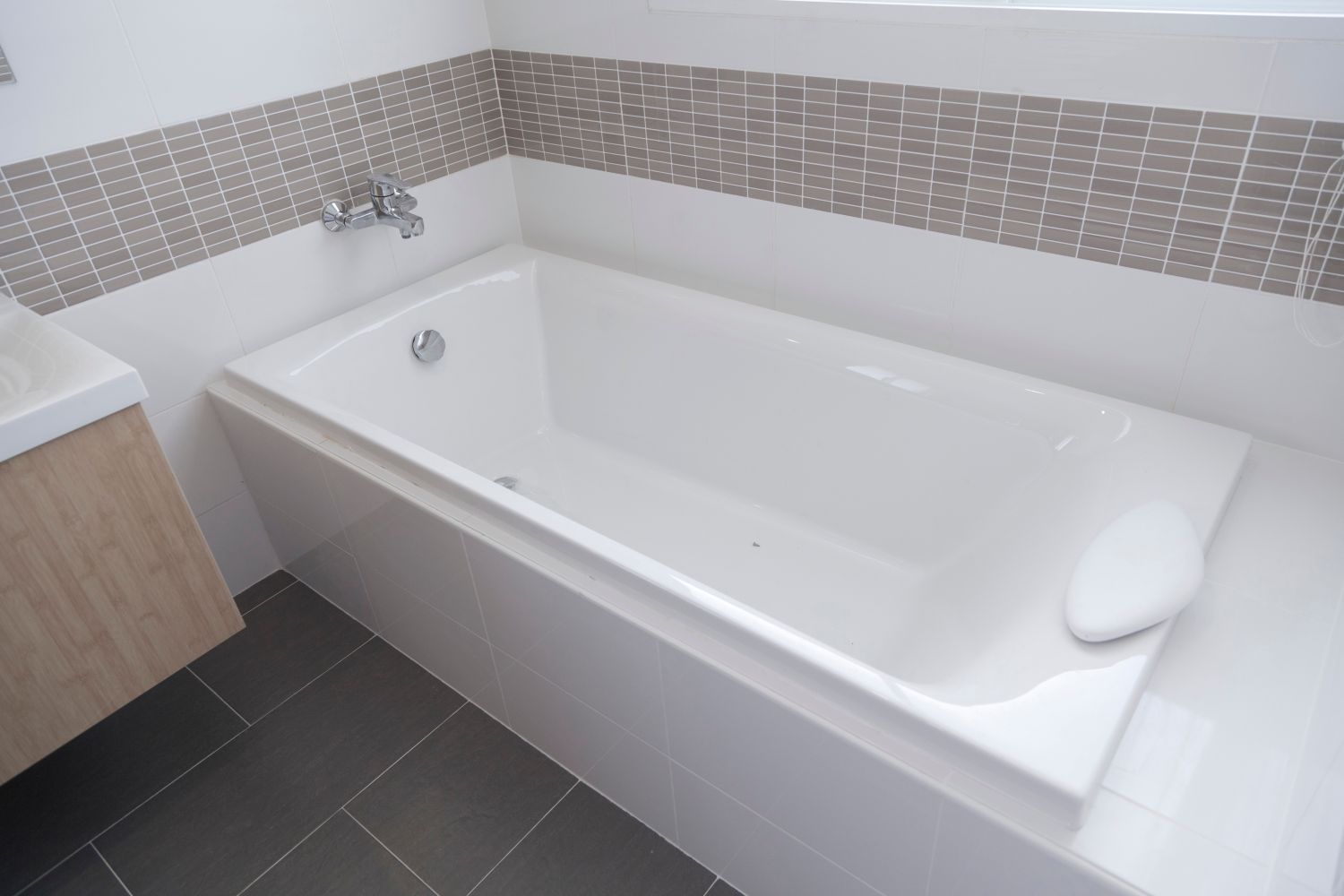
Selecting a bathtub can be a significant decision in any bathroom design or renovation, merging considerations of space, style, functionality, and personal comfort. The modern market offers several options, each with distinct characteristics, installation requirements, and aesthetic appeals. Understanding the fundamental types of bathtubs is essential for making an informed choice that complements both the user's lifestyle and the architectural constraints of the bathroom.
Here's a guide to different types of bathtubs:
Alcove Bathtubs
The alcove bathtub is arguably the most common and space-efficient type found in residential homes. Designed to be installed within a three-wall enclosure, it's an ideal solution for shared or family bathrooms. Standard dimensions are typically 60 inches in length, although 54-inch and 72-inch models are available to accommodate smaller or larger spaces. The primary advantage of an alcove tub lies in its practical design, as it often includes an integral apron front and is designed for straightforward connection to existing plumbing.
Many models are equipped with shower-tub combinations, making them a highly functional and economical choice. Their popularity can ensure a wide selection of materials, most commonly acrylic and fiberglass for their lightweight and cost-effective properties, though more premium materials like steel are also options. However, when selecting any built-in model, reviewing a comprehensive Bathtub range online or offline can help one compare standard sizes and material specifications from various manufacturers.
Corner Bathtubs
Corner bathtubs are engineered to maximize space utilization in square or awkward bathroom layouts. As the name implies, these triangular or pentagonal tubs are designed to fit snugly into a corner, freeing up floor space in the center of the room. They're typically larger than standard alcove tubs and can accommodate two bathers, making them a popular choice for creating a spa-like retreat.
Many corner tubs feature built-in seating and strategically placed jets for hydrotherapy. While they offer efficient use of corner space, their unusual shape can limit placement options and may require custom cabinetry or decking for a finished look. Proper measurement is crucial to ensure a correct fit.
Drop-In Bathtubs
Drop-in tubs, also known as built-in or deck-mounted tubs, offer a custom, integrated look. The bathtub shell is installed into a pre-built platform or deck, with only the rim exposed. This design allows for tremendous flexibility, as the surrounding deck can be constructed from various materials like tile, stone, or wood to match the bathroom's décor and other features. The deck can also provide a convenient surface for holding bath accessories, candles, or plants.
Drop-in tubs can be rectangular, oval, or even unique geometric shapes, and they're available in standard and luxury soaking depths. Installation is more involved, as it requires constructing a sturdy framework, but the result is a seamless and high-end appearance tailored to the specific bathroom layout.
Undermount Bathtubs
Functioning similarly to an undermount sink, an undermount bathtub is installed beneath a solid surface deck, typically stone or composite material. The edge of the tub rim isn't visible, creating a sleek, continuous surface from the deck into the bathing well. This design is not only visually appealing but also exceptionally easy to clean, as there's no lip to trap water or debris. Undermount tubs are almost exclusively found in high-end or custom bathroom designs and are often paired with a separate, walk-in shower for a cohesive aesthetic. They represent a significant investment, requiring precise fabrication and installation by skilled professionals.
Whirlpool and Air Baths (Hydrotherapy Tubs)
For those seeking therapeutic benefits, hydrotherapy tubs can provide targeted relief for muscles and joints. Whirlpool tubs, or jetted tubs, use pumps to circulate water through directed nozzles, creating a massaging effect. Air baths, on the other hand, utilize a blower to push thousands of tiny air bubbles through the water, resulting in a gentler, effervescent soak.
Combination systems that integrate both technologies are also available. These tubs require access to electrical power, more complex plumbing features, and diligent maintenance to keep the internal systems clean. They can be found in alcove, drop-in, and freestanding configurations, catering to both integrated and statement-making designs.
Freestanding Bathtubs
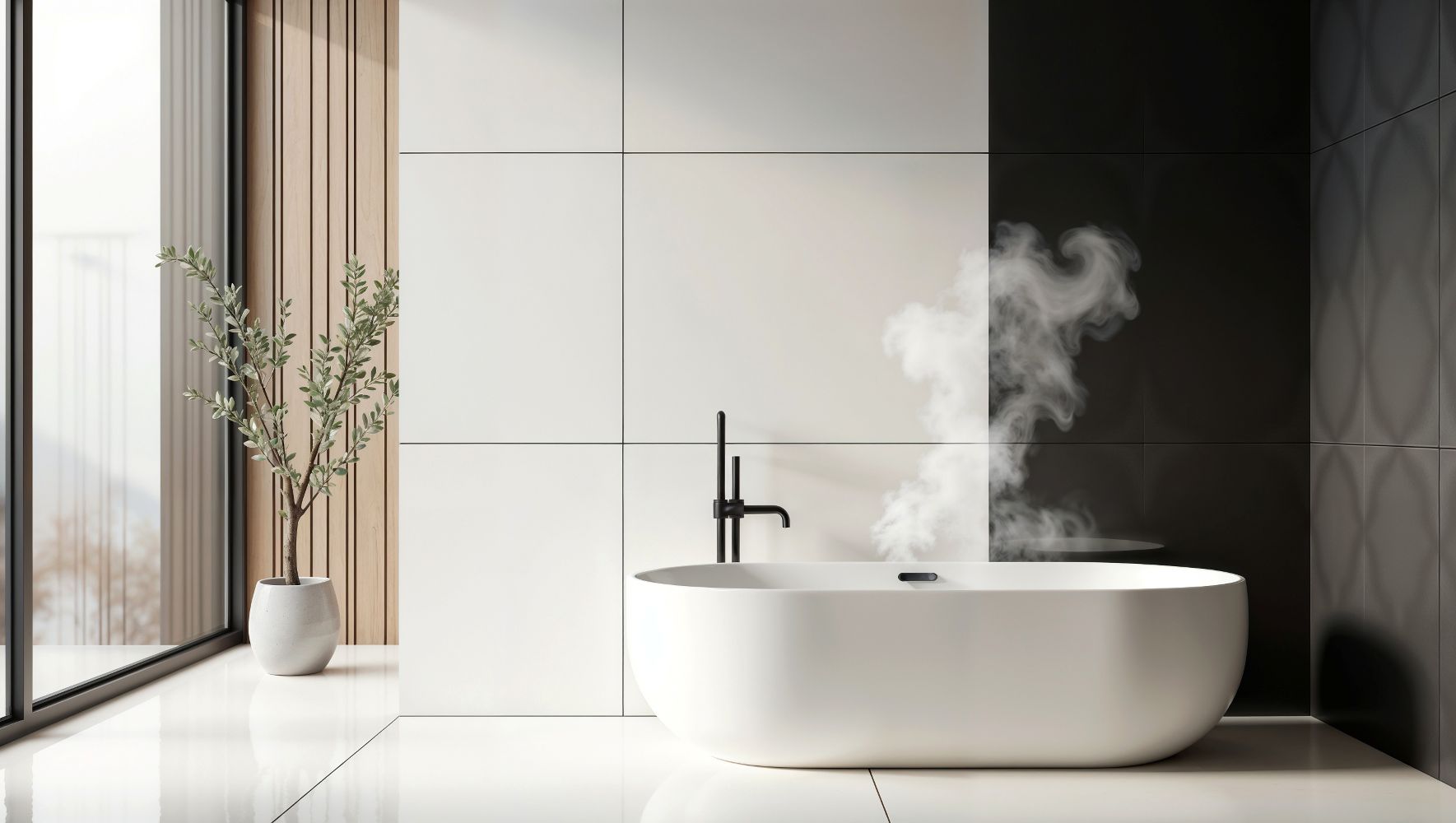
Freestanding bathtubs serve as a dramatic focal point, evoking a sense of luxury and classic elegance. Unlike built-in models, they're not attached to any walls and can be positioned anywhere in the bathroom, provided floor space and plumbing access are available. This category encompasses several iconic styles. The classic clawfoot tub, supported by ornate feet, offers a vintage aesthetic. Slipper tubs, with one raised end for reclining comfort, prioritize ergonomic soaking.
Modern freestanding designs typically feature clean, sculptural lines and may be constructed from materials like cast iron, stone resin, or copper. While offering unparalleled style, they require careful planning regarding floor support, especially for heavier materials, and more complex plumbing rough-ins.
Walk-In Bathtubs
Prioritizing safety and accessibility, walk-in bathtubs feature a watertight door that allows the user to enter without stepping over a high ledge. They're equipped with a built-in seat, handheld showerhead, and often include therapeutic jets. This design is particularly beneficial for individuals with mobility challenges, seniors aging in place, or anyone who values a reduced risk of slips and falls. The door seals securely before the tub fills, and water drains completely before it opens for exit. While offering immense functional benefits, they do require the bather to sit inside while the tub fills and empties, which extends the total bathing time.
Key Takeaway
Selecting the ideal bathtub requires balancing aesthetics, functionality, and practical space considerations. From space-saving alcoves to luxurious freestanding models, each type offers distinct advantages for different needs and bathroom layouts. By keeping this guide in mind, homeowners can invest in a centerpiece that provides daily comfort and enhances the overall value of their home for years to come.