What to Expect When Working with an ADU Builder
Thinking about adding an ADU to your property? Backyard homes are reshaping neighborhoods across California. Housing demand is growing in the region. ADU rules have also become more flexible. Because of this, small secondary units are now one of the most practical investments in the area.
It's helpful to comprehend the construction process before beginning. It is perceived by many as chaotic or unpredictable. In actuality, working with a skilled ADU builder in Southern California is a straightforward, methodical procedure. When done correctly, it is well-organized and simple to handle.
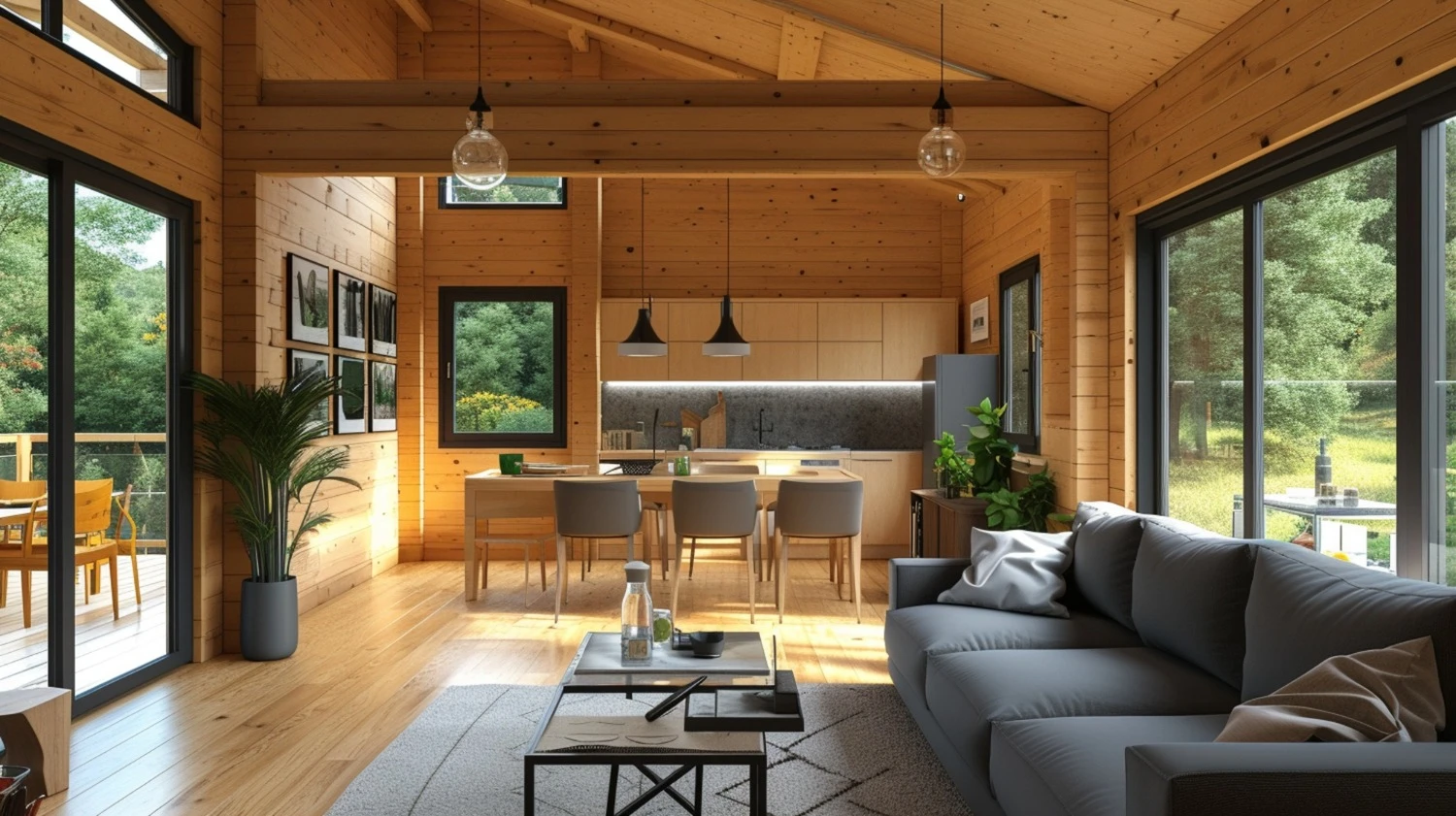
The Initial Consultation and Site Evaluation
The first meeting sets the direction of the entire project. A professional ADU contractor will ask direct questions:
- Are you building for rental income?
- Housing for parents or adult children?
- Increasing resale value?
For example, a homeowner in Los Angeles or Boston recently wanted a 600 sq ft unit for his daughter. During the site inspection, setback restrictions were identified. This reduced the buildable area. Adjusting the layout early saved weeks of redesign.
Site evaluation includes zoning analysis, setbacks, lot coverage, and utility access. A feasibility check confirms what can legally and physically be built. At this stage, you receive a realistic budget range based on local construction costs and site conditions.
Design, Permits, and Regulations
Once feasibility is confirmed, the design phase begins. Floor plans are developed to match your goals and comply with ADU regulations. Title 24 energy requirements are integrated from the start. Structural engineering ensures seismic safety, which is critical in your city.
Budget numbers are refined. You also receive an updated project timeline.
Then comes permitting. ADU permits require plan submission, plan check corrections, and city approval. In Los Angeles, approval may take 6-16 weeks depending on workload. Local experience matters. An experienced builder is able to promptly address plan check comments and prevent needless delays.
Construction Phase: From Ground to Completion
Construction typically follows four clear stages:
- Site preparation - demolition if needed, trenching, and foundation work.
- Framing and structure - walls, roofing, windows, exterior finishes.
- MEP systems - plumbing, electrical, HVAC installation.
- Interior finishes - drywall, flooring, cabinets, fixtures.
Each stage triggers city inspections. A missed inspection can delay progress, so coordination is essential.
In one Los Angeles project, soil conditions required a deeper foundation than expected. Because the contract anticipated contingencies, the issue was handled without financial shock.
Budget and Communication
ADU construction costs depend on size, design, and site conditions. Contracts are usually fixed-price or cost-plus. Payments are made at key milestones, like foundation, framing, and final finishes.
Clear communication reduces stress. Good builders send weekly updates. They assign a dedicated project manager. They also use digital tracking tools.
Inspections and material shortages can cause delays. Homeowners are informed through timely and clear updates.
Timeline and Final Approval
A typical project timeline in Boston looks like this:
- Design: 4-8 weeks
- Permits: 6-16 weeks
- Construction: 4-6 months
Factors such as city review speed, customization level, and weather can affect duration.
City inspections happen at three main stages: foundation, framing, and final. After you pass the last inspection, you receive a Certificate of Occupancy. Then you do a final walkthrough to make sure everything looks and works as expected.
Conclusion
Building an ADU in California is not guesswork. It is a structured system. It follows local regulations, permit rules, and clear construction phases. With the right partner, the ADU construction process in Southern California becomes predictable and transparent.
An experienced builder knows local codes. They handle permits efficiently. They control ADU construction costs and keep your project timeline on track. The right team doesn't just build a unit. They reduce risk, protect your budget, and turn unused space into long-term value.