How Do Standard Aluminum Profiles Compare With Made-to-Order Designs?
Choosing between a standard aluminum profile and a made-to-order design is one of the first real decisions you'll face on any project that calls for aluminum framing. It sounds like a simple cost question, but it rarely is. Standard profiles ship fast and cost less upfront, yet they don't always match what a design actually needs. Custom profiles can hit tolerances and aesthetics that stock shapes never will, though they carry their own costs in time and money. Getting clear on how these two paths differ before you commit keeps the project on track and sidesteps the expensive rework that comes from picking the wrong option at the sourcing stage.
What Sets Standard Aluminum Profiles Apart From Custom Options
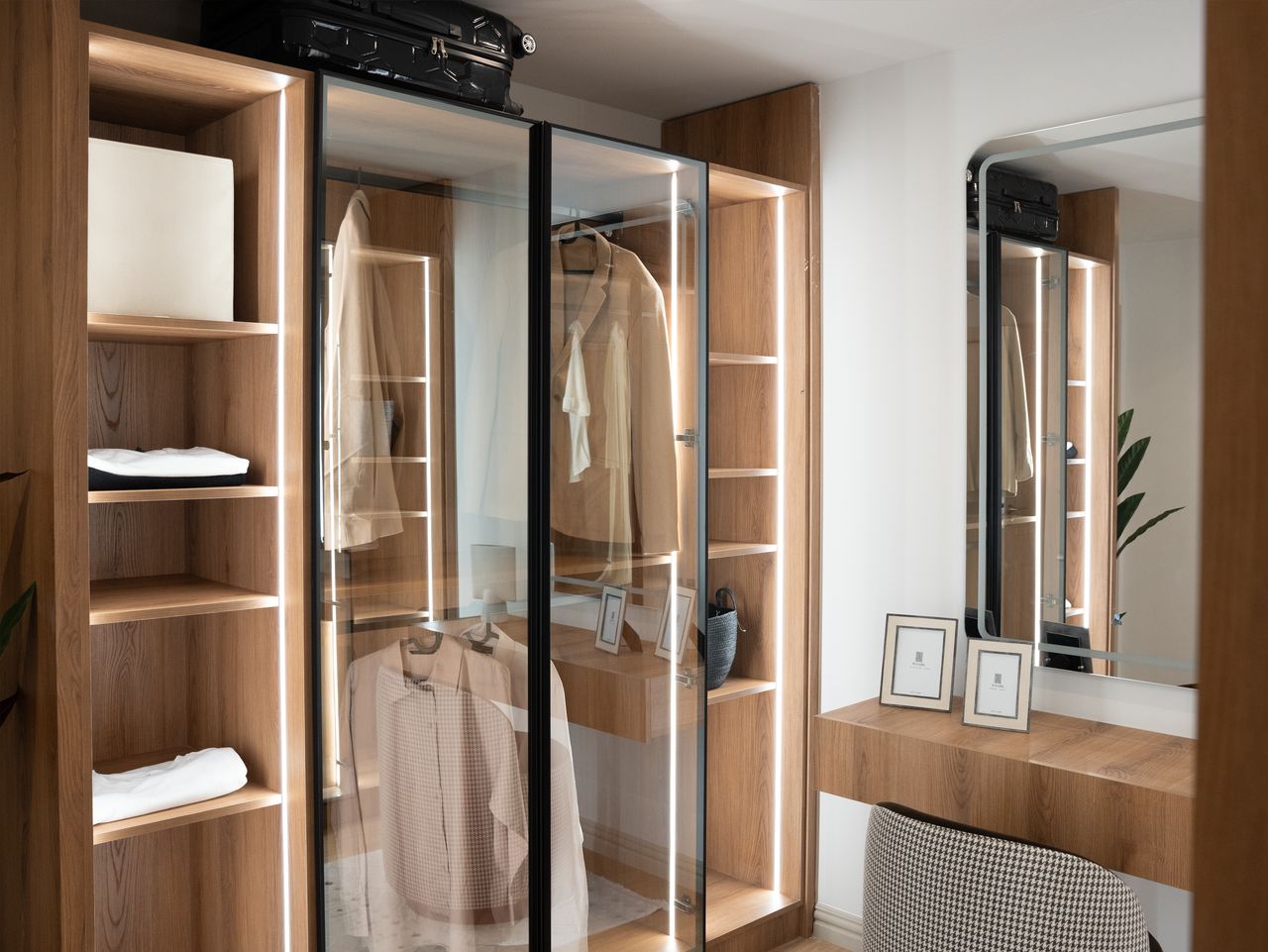
Standard profiles are the workhorses of the aluminum world. Manufacturers produce them in high volumes to shared dimensional standards, which keeps pricing low and availability high. Most distributors stock a predictable range - T-slot extrusions, rectangular tubes, angle sections, and U-channels - in common alloys like 6061 and 6063. Cabinet and furniture builders working with aluminum frame construction will notice pretty quickly how those stock shapes turn up in modular systems like https://www.aluminumxdesign.com/aluminum-frame-cabinet-doors/, which shows how standard aluminum frame geometry gets applied to door systems that still demand precise tolerances. The catch is that standard profiles are designed for a broad market. Their wall thicknesses, slot dimensions, and cross-sectional geometries reflect what most applications need, not what your specific one demands. If your design fits what's already on the shelf, you get speed, predictable pricing, and easy reordering; if it doesn't, you're either adapting the design or starting to look at custom options.
The Case for Stock Profiles in Everyday Projects
Standard aluminum profiles are the right call when dimensional flexibility exists in the design and schedule pressure is high. Delivery times for stock shapes run two to five business days from a distributor, compared to four to twelve weeks for a custom extrusion die to be cut and validated. That gap matters enormously on renovation projects, retail fixture builds, and modular furniture lines where a client won't sit through a two-month wait. Stock profiles also let you prototype fast. You can order a small quantity, test the assembly, and confirm the fit before committing to a larger buy - and the per-unit cost is lower because tooling has already been spread across thousands of other customers. And because these shapes are industry-standard, off-the-shelf hardware - connectors, end caps, t-nuts, brackets, fit without modification. So if your design tolerates a standard cross-section, working with stock shapes almost always saves money and cuts schedule risk simultaneously.
Where Made-to-Order Designs Pull Ahead
Custom aluminum profiles exist for one reason: they let the cross-section serve the design instead of forcing the design to accommodate the cross-section. A made-to-order extrusion can fold in a gasket channel, a wire management groove, or a snap-fit retention feature directly into the profile geometry - fewer additional operations, fewer separate components, a cleaner final assembly. For luxury cabinetry and high-end architectural interiors, a custom profile also controls the visual outcome in ways stock shapes simply can't. Wall thickness, corner radius, surface texture, and finish all get specified to the millimeter rather than accepted from a catalog. But here's the thing: because the die belongs to your project, you control the geometry as things evolve - no supplier can discontinue a size your whole product line depends on. Die development typically runs $1,500 to $8,000 depending on shape complexity, and that investment pays back across high-volume or long-running programs.
Cost, Lead Time, and Fit: What to Weigh Before You Decide
The comparison between standard aluminum profiles and made-to-order designs comes down to three variables: cost structure, time to first part, and dimensional fit. None of those operates in isolation. A profile that saves $2 per foot on material but demands $400 in additional machining per assembly isn't actually cheaper. Similarly, a custom extrusion shipping in eight weeks might still be the right move if it eliminates three separate standard components that would've needed joining. Most experienced fabricators run a simple break-even analysis before they choose a path: total cost of adapting a stock profile versus total cost of a custom die amortized over the expected production run. The answer isn't always obvious; this comparison deserves a real line item in the project budget rather than a gut call at the purchasing stage.
The Real Price of Custom Tooling
Die costs for custom aluminum extrusions are one-time charges, but they're real and they belong in the budget from day one. A straightforward single-cavity die for a small profile might run $1,500 to $2,500. More complex shapes - tight tolerances, thin walls, multiple internal voids - can hit $5,000 to $8,000 or higher. Beyond the die itself, most extruders set minimum order quantities, often 500 to 1,000 pounds per run, which piles working capital requirements on top of the tooling fee. But the math shifts fast when volume is high. At 10,000 linear feet of production, a $4,000 die cost adds just $0.40 per foot to the unit price. Honestly, that's often less than the labor cost of adapting a standard profile to fit. For product lines with a clear production horizon of one to three years, custom tooling almost always pencils out if the design genuinely needs it.
Tolerance, Finish, and Fit Considerations
Standard profiles meet published dimensional tolerances that cover most structural and general-purpose applications - typically plus or minus 0.010 inches on critical dimensions for 6063 alloy. Custom extrusions can be held tighter or looser depending on what the application actually requires, and the die geometry can be tuned after the first sample run if the initial pull comes in off-spec. Finish is another variable worth sweating. Stock profiles come anodized in a limited color range and thickness from inventory, or raw for additional finishing. A made-to-order profile can carry an anodizing specification tailored to its environment - heavier micron thickness for exterior exposure, or a particular color match for a branded interior installation. If the final product needs to read as furniture rather than industrial hardware, that level of finish control often justifies custom tooling on its own, separate from any dimensional argument.
Conclusion
Standard aluminum profiles and made-to-order designs each have a clear place in the fabricator's toolkit, and there's no universal answer to how they compare. Stock shapes offer speed, low entry cost, and wide hardware compatibility. Custom extrusions give you dimensional control, integrated features, and long-term supply security. The right path depends on your volume, your schedule, and how closely the design needs to match the profile geometry. Run the numbers honestly - including additional operations and assembly labor - before you assume the standard option is automatically the cheaper one.