The Role of Gutters in Preventing Water Damage
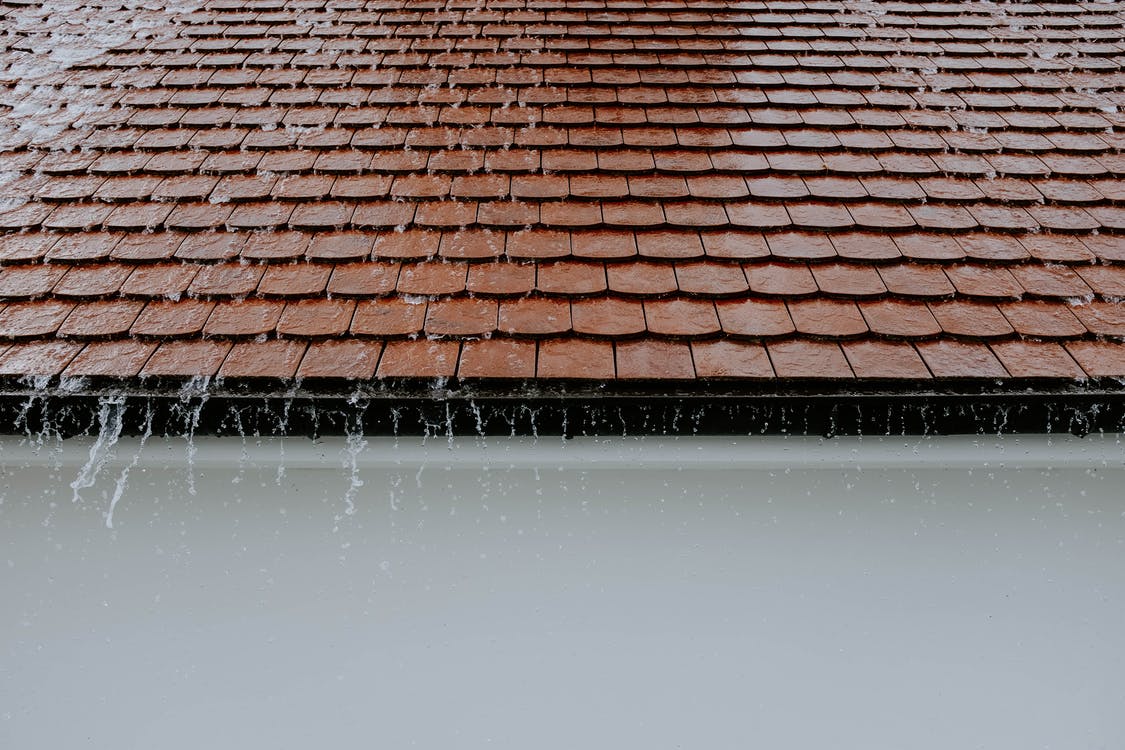
People who own homes often overlook the simple metal channels lining the rooflines of their houses until a heavy rainstorm begins. However, gutters serve as the primary defense system for your home against the destructive power of uncontrolled water. Without a functional gutter system, rainwater cascades off the roof and pools directly around the delicate foundation of your home. This article explores how gutters safeguard your property and why maintaining them is vital for long-term structural integrity.
The Importance of Gutters in Water Damage Prevention
When it comes to protecting your home from heavy rainfall and moisture-related issues, professional Chicago Gutter Repair plays a crucial role in keeping your drainage system efficient and damage-free. Properly functioning gutters ensure that water is directed away from vulnerable areas, reducing the risk of costly structural problems.
Diverting Water Away from the Foundation
It's easy to overlook your gutters. But they are actually doing the heavy lifting when it comes to protecting your foundation. During a storm, your roof catches a surprising amount of water - without a system to manage it, that water falls in a heavy sheet right against your home. This constant soaking makes the soil unstable. Eventually, this puts immense pressure on your basement walls. By using downspouts to move the runoff a few feet away, you're essentially giving your foundation room to breathe and staying ahead of expensive structural repairs.
Protecting Your Home from Basement Flooding
It's much easier to keep water out than it is to get it out once it's inside. A basement flood often starts with a clogged gutter. When water can't flow away, it seeps into the soil. As a result, it puts continuous pressure on your foundation until it finds a way through. The resulting damage to flooring and personal items is frustrating. But in addition to that, the potential for mold to spread through your ventilation is the bigger concern. Investing in your gutters is like buying insurance for your basement - it keeps the water at a distance and saves you from the steep costs of professional remediation.
Preserving the Integrity of Siding and Masonry
Rainwater runoff does more than just muddy the ground - it actively wears down the exterior of your home. Rain spills over the roof's edge and splashes back against your siding, brick, or stone. This splashback carries a mix of dirt and minerals that can damage your home. This cycle leads to unsightly stains and speeds up the weathering process. Left unchecked, moisture causes wood siding to rot and paint to peel prematurely. On brick homes, the porous masonry can absorb this water. This, then, expands during a freeze and causes the brick faces to flake off. Gutters catch this water at the roofline, keeping your exterior finishes clean and your home's value intact.
Preventing Soil Erosion and Landscape Damage
Keeping up with landscaping is a big job. But it's even harder when the weather becomes harsh. Without gutters to manage the runoff, rainwater tends to carve out deep grooves in the soil and drown the plants nearest to your house. This doesn't just hurt your home's curb appeal - it can actually change the "grade" of your property, leading to water pooling in spots you'd rather keep dry. A functional gutter system protects the slope of your yard, giving you the peace of mind that your garden will survive the next big downpour.
Stopping Fascia and Soffit Rot
It's easy to overlook the trim and eaves of your house. But they play a critical role in your home's defense. When gutters overflow, the stagnant water sits directly against the wood. This causes rot that can spread deep into the roof's structure. This doesn't just damage the wood - it also creates a damp environment that attracts wood-boring insects and rodents. A well-maintained gutter system prevents this "domino effect" by ensuring water never has the chance to settle against your home's wooden frame. It's a simple way to keep the edge of your roof clean, dry and secure for the long haul.
Enhancing the Longevity of Your Roof
Even though gutters sit just below your roofline, they have a massive impact on how long your roof actually lasts. If your gutters are blocked, water can flow backward, crawling under your shingles and soaking the wooden boards underneath. This eventually leads to soft spots and dreaded ceiling leaks. During the winter, clogged gutters are the main culprit behind ice dams - heavy, frozen blocks that trap melting snow. When that water has nowhere to go, it often forces its way into your home. Moreover, keep your gutters clear. This ensures that snowmelt and rain flow away freely, helping you get every bit of value out of your roof.
The Importance of Regular Gutter Maintenance
Simply having gutters isn't a "set it and forget it" solution - they need a bit of care to do their job. Most people find that a biannual cleaning keeps things running smoothly. But if your roof is a magnet for leaves, you may need to step that up. When debris blocks the flow, your home is essentially left without a shield during a heavy downpour. You don't have to be a pro to see when they're failing. There are a few top signs that indicate your roof needs repair - just look for sagging sections or water marks on the house. Staying on top of these minor chores is the best way to avoid the hefty cost of professional water damage repair.
Conclusion
Gutters are far more than just a decorative edge - they're an essential part of your home's longevity. By managing exactly where rainwater goes, they protect your roof, your walls, and your foundation all at once. Keeping them in good shape is one of the easiest ways to preserve your property value and avoid the "chain reaction" of water damage that clogs can cause. Staying proactive with simple inspections means you won't be caught off guard by unexpected repairs. It's a practical way to ensure your home remains comfortable, solid and dry for the long haul.