Risks of replacing wooden windows
Poor maintenance can result in structural deterioration of wooden windows, causing rot or insect damage. If the damage is significant, the window may need to be replaced entirely.
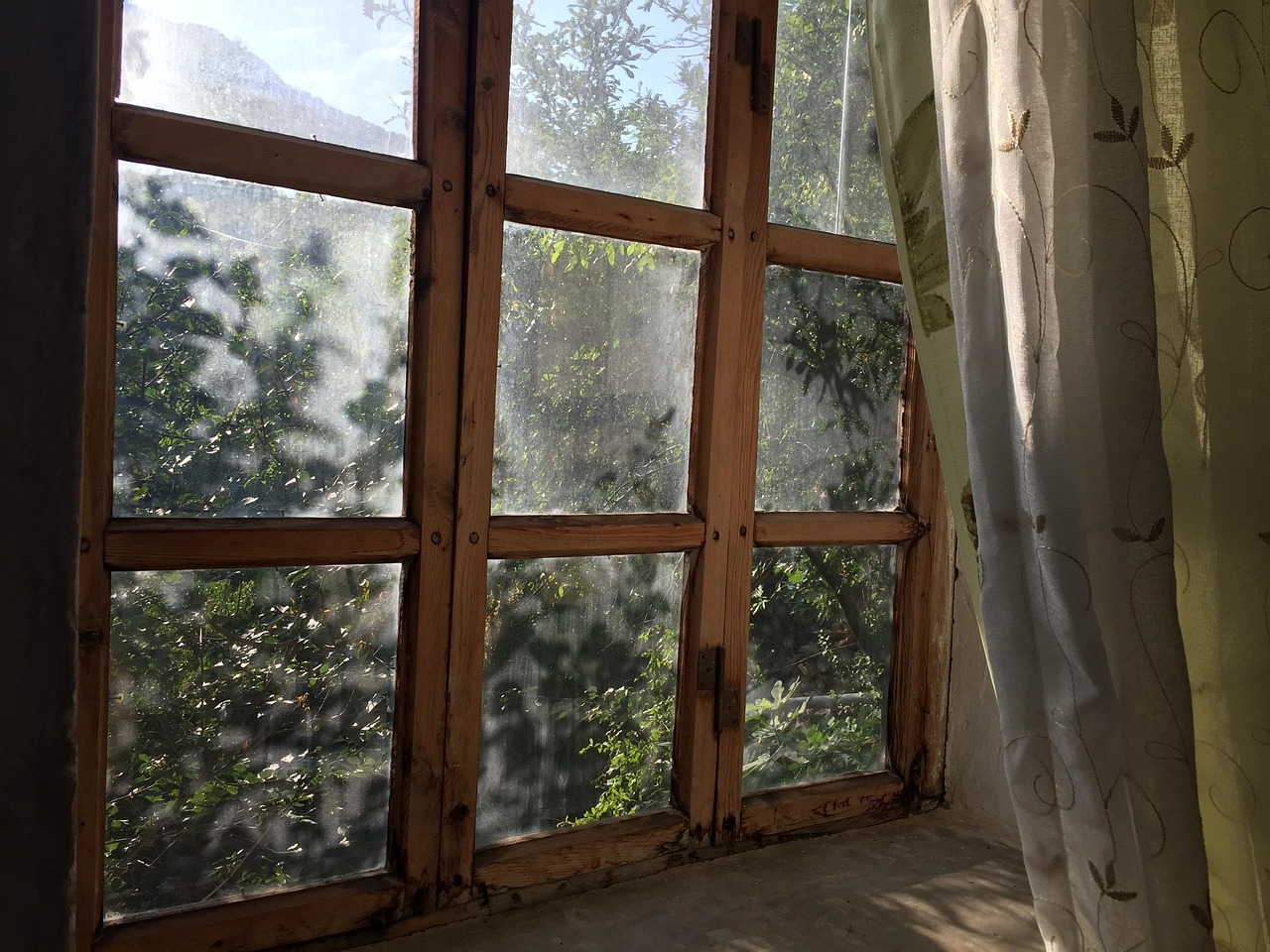
While replacing wooden windows may seem manageable without professional assistance, it poses several underestimated safety risks. The process involves structural elements, heavy materials, and precise installation techniques. If not handled properly, these factors can create hazardous conditions, which is why it is recommended to hire specialists for windows replacement Yellowknife. Professional help prevents accidents and risks such as:
- Risk of injury during removal. Wooden window frames are often firmly secured with nails, screws, or adhesive compounds, requiring forceful extraction. Improper use of tools such as pry bars or saws can lead to slips, cuts, or impact injuries. In older buildings, the frames may be weakened or partially decayed, which increases the likelihood of sudden breakage and uncontrolled movement during removal.
- Handling glass. Even if the intention is to preserve the window, the glass panes can crack or shatter unexpectedly during dismantling. Broken glass poses a serious risk of deep cuts and lacerations. Without the appropriate protective equipment, such as gloves and eye protection, individuals are exposed to preventable injuries. Additionally, properly disposing of broken glass requires procedures that are not always followed in do-it-yourself scenarios.
- Working at heights. Window replacement often requires accessing upper floors with ladders or temporary platforms. Improper ladder positioning, lack of stabilization, or overreaching can result in falls, which are among the most common and severe household accidents. Professionals are trained to use safety equipment and follow protocols that minimize these dangers.
- Structural integrity. Windows are not just decorative; they contribute to a building's overall stability and insulation. Incorrect removal or installation can damage surrounding walls, leading to weakened support or unintended gaps. In some cases, parts of the wall may shift or collapse slightly during the process, posing immediate and long-term safety risks.
- Exposure to hazardous materials. Wooden window frames and surrounding components may contain lead-based paint or other harmful substances. Disturbing these materials during removal can release toxic dust or particles into the air. Without proper containment and protective measures, individuals may inhale or come into contact with these substances, which can lead to health issues.
- Weather-related risks. Replacing windows requires leaving openings exposed for a period of time. Sudden weather changes, such as rain or strong winds, can create unsafe conditions during installation. Slippery surfaces and unexpected gusts may cause loss of balance and control, increasing the likelihood of accidents.
Improper installation can lead to long-term safety concerns. For example, poor sealing or misalignment can result in drafts, moisture infiltration, and even structural weakening over time. While these issues may not cause immediate harm, they can contribute to deterioration that eventually affects a home's safety and stability. Given these factors, installing replacement wooden windows yourself carries with it a number of safety risks that require careful consideration and expertise.