How Parking, Garages, and Outbuildings Boost Property Value
If you want to boost your home's resale value without gutting the kitchen or redoing the bathrooms, adding parking, a garage, or a solid outbuilding is one of the most reliable moves you can make. Research consistently shows that homes with dedicated parking or garage space sell faster and for more money - typically 5 to 15 percent above comparable homes without these features, depending on your market and the quality of the build.
Why parking and garages matter more than most upgrades
Parking is near the top of every buyer's priority list, especially in suburban and rural markets. Even a clean paved driveway makes a difference, but a garage takes it to another level. Buyers don't just see somewhere to park - they see storage space, a workspace, protection for their vehicles, and a home that feels more complete.
Real estate agents consistently report that homes with garages spend less time on market. In competitive neighborhoods, a house without a garage often sits longer than an identical one next door that has one. That's not anecdote - it's a consistent pattern across most U.S. markets.
Here's what buyers are actually thinking when they see a garage:
- No scraping ice off the windshield every winter morning
- A dedicated place for tools, lawn equipment, bikes, and seasonal storage
- Potential savings on car insurance for garaged vehicles
- A home that feels finished rather than lacking something
What type of garage adds the most value?
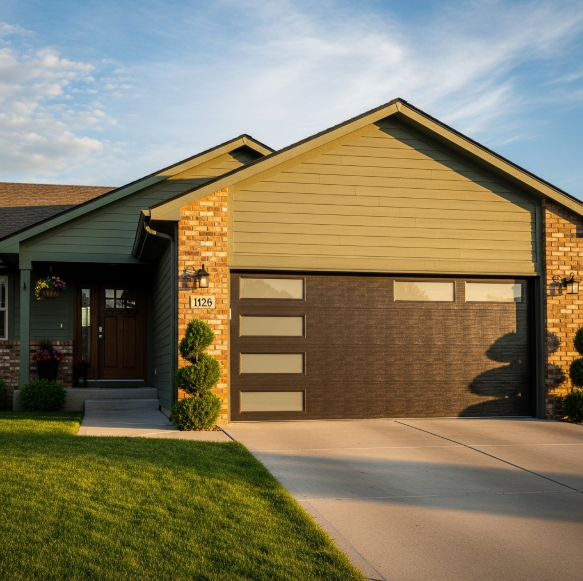
An attached two-car garage with direct access to the home offers the best return on investment in most markets. That said, a well-built detached garage is not a bad option - it depends on what your lot supports and what buyers in your area expect.
For properties in the Hudson Valley area of New York, Amish built garages in Poughkeepsie, NY have become a genuinely popular choice among homeowners looking for quality over speed. These structures are built with real wood framing, solid joinery, and craftsmanship that holds up for decades. They look far better than prefab metal options and they age well, which matters when resale is the goal.
In general, the structures that deliver the strongest return are:
- Attached two-car garage with interior access and finished drywall
- Detached two-car garage with a concrete floor and electrical service
- Single-car garage with a storage loft above
- Workshop-style outbuilding with proper ventilation and wiring
Metal carports and lean-tos add the least value. They work for basic vehicle cover but buyers don't respond to them the way they do to a proper enclosed structure.
Outbuildings: the underestimated value booster
Storage sheds, barns, and workshops tend to get overlooked in conversations about property value - and that's a mistake. A well-built outbuilding adds functional square footage to your property without the cost of a home addition. For buyers who garden, keep livestock, run a home-based business, or simply want extra room for their stuff, these structures can easily tip a decision in your favor.
The key word is "well-built." A rotting shed with a collapsed roof isn't an asset. Buyers will either ask you to remove it or use it to push the price down. A clean, solid, appropriately sized outbuilding is a completely different story.
What separates a value-adding outbuilding from one that hurts you:
- Quality materials - pressure-treated framing and siding that won't warp or degrade quickly
- Proper foundation or anchoring for your region's soil and climate
- At minimum, a basic electrical hookup
- Good roof pitch and ventilation to prevent moisture and mold
- Proportionate size - useful enough to matter, not so large it dominates the yard
How much can you realistically expect to recover?
The honest answer is that adding a garage or outbuilding is an investment, not a dollar-for-dollar return. Cost recovery on a garage addition typically runs between 60 and 80 percent based on Remodeling Magazine's annual Cost vs. Value reports. That sounds like you're losing money, but it doesn't capture the full picture.
When you factor in faster sale time, more buyer interest, and the potential for competing offers, the math shifts. A home that sells in three weeks costs you a lot less than one sitting on the market for four months. Carrying costs, price reductions, and missed opportunities add up fast.
And beyond resale, there's the straightforward question of how you use your property right now. A garage that keeps your car protected, gives you a place for projects, and clears the clutter from your home has day-to-day value that doesn't show up in appraisal numbers but is very real.
Choosing the right contractor for the job
The quality of the build determines how much value a garage or outbuilding actually adds. A poorly constructed structure can work against you at appraisal time and during buyer inspections, so the contractor you choose matters more than most people realize.
Look for someone who specializes in outdoor structures rather than a general handyman taking on side work. The outdoor building contractor «Storage Sheds And Garages» focuses specifically on this type of construction - garages, sheds, and outbuildings built to last, with options matched to your property, lot size, and budget. Working with a specialist who builds these structures every day consistently produces better results than hiring someone who treats it as an add-on to other work.
Before signing with any contractor, ask these questions:
- Do they pull permits and handle local code compliance?
- Can they show you completed projects of similar size and style?
- What foundation options do they recommend for your specific soil and climate?
- What warranty do they offer on both materials and labor?
Permits and zoning: the part people skip and regret
Building without a permit is one of the most common and costly mistakes homeowners make with garages and outbuildings. It feels like a shortcut, but it almost always surfaces at the worst possible time - during a sale, when the buyer's lender or inspector flags the unpermitted structure.
Unpermitted structures can kill deals outright or force sellers to either tear down the building or go through a retroactive permitting process that's more expensive and complicated than doing it right from the start. Neither option is fun when you're trying to close.
Check your local zoning rules before anything gets built. Most municipalities have setback requirements, maximum footprint limits, and height restrictions for accessory structures. A good contractor handles this on your behalf, but you should know what applies to your property before the conversation even starts.
Final thoughts on parking, garages, and sheds as investments
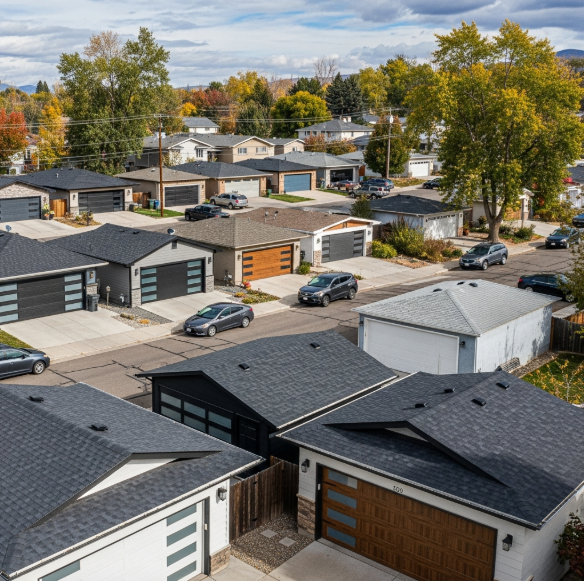
Adding a well-built garage or outbuilding is one of the more dependable ways to increase property value and appeal to buyers. It doesn't guarantee a windfall, but it consistently performs better than interior renovations like kitchen remodels when you look at cost-to-value recovery.
Keep the focus on build quality over raw size, get your permits handled from day one, and hire a contractor who specializes in this type of work rather than someone treating it as a side project. Do those three things and you're very likely to end up with a structure that improves how you live in your home today and adds real, measurable value when the time comes to sell.