The Unspoken Realities of Navigating Site Liability
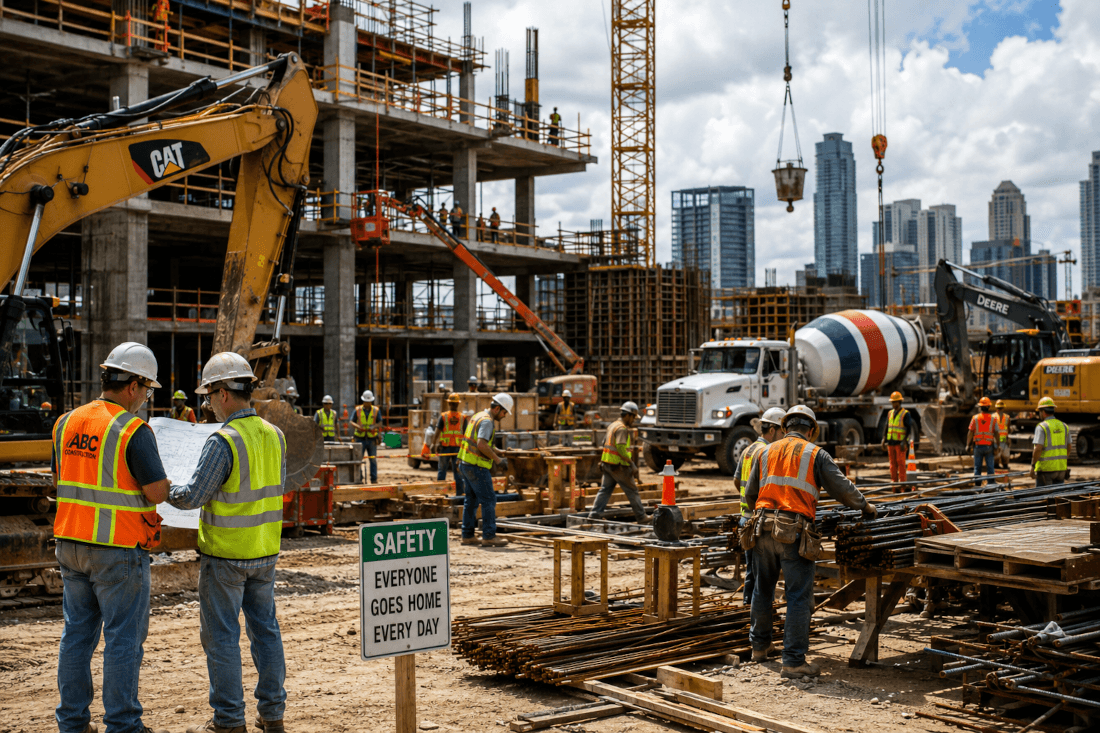
Modern worksites are constant hubs of energy where dozens of trades clash to build something new. From the heavy machinery to the intricate wiring, every person on that ground relies on a system of mutual trust and professional competence.
When an incident occurs, that trust shatters and leaves an injured laborer searching for answers in a pile of paperwork. The initial rush of adrenaline and fear makes it difficult to see where the actual breakdown in the chain of command began.
Determining liability hinges on the ability to pinpoint specific failures in construction site safety protocols during the shift. These rules aren't suggestions but mandatory requirements designed to prevent the very chaos that leads to a life changing event for a local family.
The Chaotic Web of Multiple Contractors
The organizational chart of a major project often looks like a tangled web of different entities. A general contractor might oversee five different sub-contractors who each bring their own equipment and unique crews to the same small and crowded footprint.
This density creates a problematic dynamic where no one wants to take ownership of a hazardous condition. When a fall or a crush injury happens, the companies involved immediately start pointing fingers at each other to avoid the financial fallout.
Sifting through these contractual relationships is a necessary part of the investigation process for any injured person. It takes a disciplined look at the specific agreements to find out who actually had the authority to control the area and prevent the harm.
The Real Cost of Prioritizing Deadlines
Projects run on tight schedules where every hour of delay costs a developer or a contractor a massive amount of money. This financial pressure can lead to a culture where speed is rewarded more than the careful implementation of basic protection measures.
Management might skip a mandatory morning walkthrough or ignore a broken piece of equipment just to stay on schedule. These choices create an environment where a disaster isn't just possible but becomes a statistical certainty as the weeks of work pile up.
Oversight should be the top priority for any supervisor on a high stakes job site in the city. When those in charge decide that the timeline is more important than the people, they should be held accountable for the resulting medical bills and pain.
Moving Beyond Standard Workers Comp Claims
Standard workers' compensation provides a safety net for medical bills and lost wages but it rarely covers the total impact. This system was built to limit litigation against employers while providing a guaranteed recovery for the injured laborer regardless of the fault.
Legal teams often look beyond the employer to find third parties that may have contributed to the event. This might include the manufacturer of a defective ladder or a property owner who failed to warn about a pre-existing structural flaw at the location.
These lawsuits allow for a more comprehensive recovery that includes compensation for pain and long term suffering. Identifying every possible entity involved in the project ensures that a single injury doesn't end a person's financial future while they are trying to heal.
The Role of Digital Evidence and Site Logs
The digital footprint of a construction site provides a clear window into what the supervisors knew and when they knew it. Daily logs, site photos, and internal emails often contain warnings about hazardous conditions that were noticed by the crew but never fixed.
Safety managers are required to keep accurate records of any problems they find during their inspections. If a supervisor saw a missing guardrail on Tuesday and didn't fix it by Wednesday, that record becomes the most powerful piece of evidence in a case.
Modern technology makes it much harder for negligent companies to hide their mistakes or pretend they didn't see the danger. These logs serve as a permanent memory of the site's condition that can't be altered by the defense during a future trial.
Preserving the Truth Before the Scene Changes
Evidence on a construction site is incredibly fragile because the work never stops and the scene changes every single day. A hole in the floor might be covered with plywood or a broken scaffold might be repaired just hours after an accident.
Laborers should move quickly to document the reality of the scene through pictures and names of those standing nearby. These early actions provide the foundation for a legal strategy that protects your rights as the project moves into its next busy phase.
Waiting even a few days to start the investigation can lead to lost opportunities and a muddy story about the facts. Proactive steps taken in the immediate aftermath ensure that the truth is preserved and that those responsible are eventually forced to make things right.