The View Worth Negotiating: How Window Quality Shapes Urban Rental Value
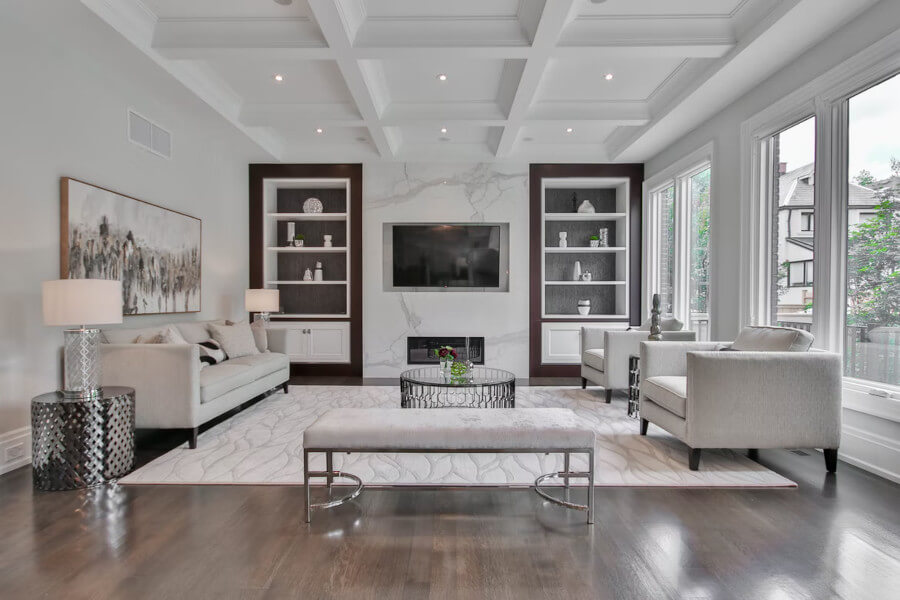
Apartment hunters scrolling through endless listings rarely pause to evaluate fenestration quality, yet energy-efficient windows replacement and modern windows replacement upgrades fundamentally transform rental experiences in ways that floor plans and finishes cannot match. The difference between apartments with original 1980s windows versus those featuring contemporary high-performance glazing manifests daily through utility costs, street noise intrusion, interior comfort, and that intangible quality making spaces feel like home rather than temporary housing.
Think of windows as the membrane between urban chaos and domestic sanctuary. In dense residential neighborhoods where buildings stand mere feet apart, where traffic never truly sleeps, and where temperature extremes test both HVAC systems and human patience, window performance determines whether apartments deliver the peaceful refuge that urban living theoretically promises. The architectural elements defining premium spaces extend far beyond granite countertops and stainless appliances into the invisible infrastructure controlling what enters and exits living spaces.
The Acoustic Sanctuary Factor
Urban dwellers adapt to constant ambient noise until experiencing genuine acoustic isolation, at which point the previous tolerance reveals itself as chronic low-level stress. Modern multi-pane windows with laminated glass and properly sealed frames reduce sound transmission dramatically compared to single-pane or poorly maintained older installations.
The quality-of-life improvement extends beyond obvious scenarios like sleeping through garbage collection or ambulance sirens. Subtle reductions in traffic hum, neighboring conversations, and street activity create mental space allowing actual relaxation and focus that constant background noise subtly undermines. Remote workers conducting video calls, students studying for exams, or anyone seeking occasional quiet within urban environments benefits enormously from effective acoustic isolation.
This acoustic performance proves particularly valuable in mixed-use neighborhoods where ground-floor retail, restaurants, and nightlife create vibrant street scenes that turn problematic at 2 AM when bass from nearby venues penetrates thin window barriers. Apartments with superior acoustic isolation command premium rents precisely because they deliver urban convenience without forcing occupants to endure every aspect of that urban soundtrack.
The Climate Control Economics
The windows throughout an apartment determine HVAC efficiency more dramatically than most renters realize. Poor sealing and inadequate insulation essentially leave money flowing directly outdoors regardless of how efficient the heating and cooling systems themselves might be. Summer air conditioning battles solar heat gain through inadequate glazing while winter heating confronts cold air infiltration around poorly sealed frames.
These thermal deficiencies translate directly into utility costs that compound monthly throughout occupancy. The energy investment perspective reveals how window quality affects affordability beyond base rent figures. Two identical apartments might list at similar prices, but the unit with superior windows could cost $50 to $100 less monthly in utilities, creating genuine economic differentiation invisible in listing specifications.
Forward-thinking renters evaluate total housing costs including projected utilities rather than fixating purely on monthly rent. This comprehensive calculation often reveals that slightly higher rent for units with quality windows generates net savings compared to cheaper apartments with thermal inefficiency increasing utility expenses indefinitely.
The Natural Light Maximization
Urban apartments often feature challenging orientations, limited exposures, or obstructed views where maximizing available natural light becomes essential for livability. Window technology dramatically affects how effectively limited daylight penetrates interior spaces. Low-E coatings and properly designed glazing packages allow visible light transmission while blocking infrared heat, brightening interiors without creating greenhouse effects during summer months.
The psychological and health benefits of natural light exposure within residential spaces cannot be overstated. Circadian rhythm regulation, mood enhancement, and reduced reliance on artificial lighting all flow from effectively harnessing available daylight. Apartments with windows optimized for light transmission feel significantly more spacious and welcoming than those with older windows that subtly darken interiors regardless of exterior conditions.
The Maintenance-Free Appeal
Renters particularly benefit from modern window designs eliminating the maintenance obligations older installations demanded. Tilt-in sashes enabling cleaning both surfaces from inside apartments transform the semi-annual ordeal of exterior glass cleaning into manageable routine maintenance. This convenience proves especially valuable in multi-story buildings where exterior access requires either dangerous leaning or expensive window cleaning services.
Contemporary materials also eliminate the painting, caulking, and weatherstripping replacement that older wood windows inevitably demanded. For renters, this maintenance-free characteristic means never confronting landlords about deteriorating window conditions or enduring drafty, poorly functioning windows while waiting for property management to schedule repairs.
The Condensation and Mold Prevention
Single-pane windows and poorly insulated frames create cold interior surfaces where condensation forms during temperature differentials between indoor and outdoor environments. This moisture accumulation doesn't just obscure views, it creates conditions fostering mold growth around frames and on adjacent walls. The health implications and aesthetic degradation make condensation-prone windows genuine liability for indoor air quality.
Modern insulated glazing maintains interior glass temperatures closer to room temperature, preventing the condensation that older windows inevitably generated. This performance characteristic proves particularly valuable in humid climates or apartments with limited ventilation where moisture management challenges already exist before adding condensation from thermal bridging through inadequate windows.
The Lease Negotiation Leverage
Understanding window quality and its impact on living costs provides tangible negotiation leverage during lease discussions. Apartments with obviously dated, poorly performing windows justify requests for reduced rent reflecting the elevated utility costs and reduced comfort those inadequate installations create. Quantifying these impacts with specific energy cost projections transforms vague quality concerns into concrete economic arguments.
Conversely, units featuring recent window upgrades merit the premium pricing they often command. Recognizing this value allows educated renters to prioritize properties offering genuine long-term savings and comfort over superficial amenities that photograph well but contribute minimally to daily quality of life.
The Long-Term Comfort Investment
Renters planning multi-year occupancies benefit dramatically from prioritizing window quality over cosmetic features that lose appeal quickly. The daily experience of comfortable temperatures, reduced noise intrusion, and adequate natural light compounds over months and years of occupancy in ways that trendy finishes or luxury appliances cannot match.
This long-term thinking aligns rental decisions with actual livability priorities rather than initial visual impressions. The apartment feeling perpetually drafty, transmitting every street sound, and requiring excessive climate control loses appeal rapidly regardless of its attractive kitchen backsplash or exposed brick accent walls.
Urban apartment living demands thoughtful evaluation of the invisible infrastructure determining daily comfort and long-term affordability. Windows represent that crucial interface between urban environment and domestic sanctuary, making their quality essential consideration for anyone seeking rental spaces supporting genuine quality of life rather than merely providing temporary shelter.
Published 12/26/25