How Window and Siding Upgrades Impact Property Values in Whitehall, PA
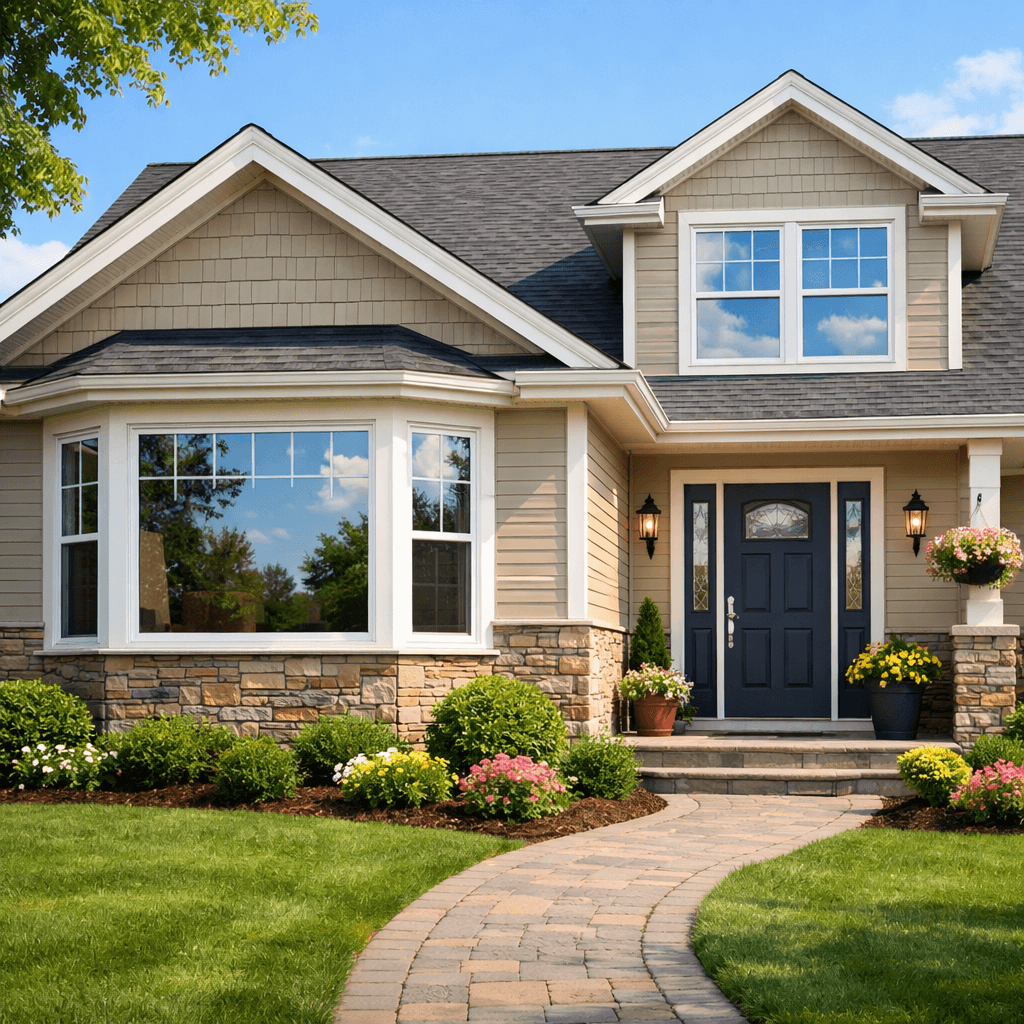
Property owners in Whitehall, PA face a competitive real estate market where strategic home improvements can make the difference between a property that languishes and one that commands premium offers. Among the most impactful upgrades are those that potential buyers notice immediately: windows, siding, entry doors, and flooring. These aren't merely cosmetic changes—they represent fundamental improvements to a home's energy performance, security, and long-term durability.
The calculus is straightforward for investors and homeowners alike. Modern windows reduce heating and cooling costs while improving comfort. Updated siding protects the structure while transforming curb appeal. Quality doors enhance security and create memorable first impressions. Together, these improvements can yield returns that significantly exceed their initial investment, particularly in markets where buyers prioritize move-in-ready homes with lower operating costs.
Why Window Replacement Delivers Measurable Returns
Window replacement ranks among the most financially sound home improvements available to Whitehall property owners. The benefits extend well beyond aesthetics, touching on energy performance, comfort, and resale value in ways that buyers increasingly prioritize.
Energy efficiency represents the most quantifiable advantage.
- Thermal Performance: Modern multi-pane windows with low-E coatings and gas fills create effective barriers against heat transfer, maintaining consistent interior temperatures regardless of outdoor conditions.
- Noise Reduction: Quality windows significantly dampen exterior noise, a feature particularly valuable in neighborhoods near commercial areas or major roads.
- UV Protection: Advanced glazing technologies block harmful ultraviolet rays that fade furnishings, flooring, and artwork while still allowing natural light.
- Condensation Control: Properly installed modern windows eliminate the moisture buildup that leads to mold, mildew, and frame deterioration.
The visual impact shouldn't be underestimated either. Replacing dated, poorly functioning windows transforms a home's exterior appearance and interior ambiance. Natural light flows more freely through larger glass areas, while cleaner sightlines create connections between indoor and outdoor spaces that buyers find appealing.
Coordinating Windows and Doors for Cohesive Design
Approaching window and door replacement as a unified project rather than separate improvements yields both practical and aesthetic advantages. Coordinated materials, finishes, and hardware create visual continuity that signals quality and attention to detail—attributes buyers notice and value.
The practical benefits center on performance consistency. When windows and doors share similar construction quality and weatherization standards, the building envelope performs as an integrated system rather than a collection of individual components. This coordination improves energy efficiency, reduces air infiltration, and creates more uniform interior comfort.
- Security Enhancement: Modern entry systems incorporate multi-point locking mechanisms, reinforced frames, and impact-resistant glazing that work together to create formidable barriers against forced entry.
- Weather Resistance: Coordinated weatherstripping systems and threshold designs prevent water intrusion and air leakage more effectively than mismatched components.
- Warranty Coverage: Single-source procurement often provides comprehensive warranty protection covering all components, simplifying future service needs.
From a design perspective, matching window and door styles creates architectural coherence. Similar grille patterns, glass types, and hardware finishes tie the exterior together visually. This attention to detail distinguishes professionally renovated properties from those with piecemeal improvements.
Suppliers offering coordinated window and door packages with unified warranty coverage include Tom Adams Windows & Carpets, Pella, and options through Marvin's dealer network. Confirming whether 'single-source' means one manufacturer across all products—or simply one installer handling multiple brands—clarifies what warranty simplification you're actually getting.
Maintaining Window Screens for Function and Longevity
Window screens represent a modest component of the overall window system, yet their condition significantly impacts both functionality and appearance. Damaged or poorly fitting screens undermine the benefits of quality windows, preventing natural ventilation and creating visual detraction that buyers notice during property showings.
The functional role of screens extends beyond simple insect exclusion. They filter airborne debris, provide privacy while maintaining visibility, and reduce solar heat gain when windows are open. In spring and fall, when Whitehall's climate allows comfortable natural ventilation, properly functioning screens enable homeowners to reduce HVAC usage while maintaining indoor air quality.
- Material Considerations: Fiberglass mesh offers the best combination of visibility, durability, and cost, while aluminum provides superior strength for high-traffic areas. Specialty screens address specific needs like enhanced solar control or pet resistance.
- Frame Integrity: Screen frames must maintain square geometry and tight corners to seal properly against window openings. Warped or damaged frames allow insect entry regardless of mesh condition.
- Tension and Fit: Properly installed screen mesh maintains consistent tension without sagging or pulling away from frames, ensuring effective coverage and professional appearance.
Regular inspection catches problems before they escalate. Small tears can be patched, but extensive damage typically requires full screen replacement. Frames can often be re-screened rather than replaced entirely, providing cost-effective restoration. For homeowners uncertain about screen condition or repair options, local window service providers can assess whether repair or replacement makes more sense based on the extent of damage and the age of existing screens.
Entry Door Selection: First Impressions and Security
Entry doors occupy a unique position in home improvement decisions, serving simultaneously as security barriers, design statements, and energy control points. The right door enhances curb appeal while providing decades of reliable performance; the wrong choice creates ongoing frustration and potential security vulnerabilities.
Material selection fundamentally shapes door performance and maintenance requirements. Each option brings distinct characteristics that suit different priorities and budgets:
- Steel: Delivers maximum security and energy efficiency at moderate cost. Dent-resistant models with composite cores provide excellent insulation while resisting forced entry. Requires periodic refinishing in harsh climates but offers exceptional value.
- Fiberglass: Combines steel's energy performance with wood's aesthetic versatility. Accepts stains that replicate wood grain or paint in any color. Resists warping, rotting, and denting while requiring minimal maintenance. Premium pricing reflects superior longevity.
- Wood: Provides unmatched natural beauty and traditional craftsmanship. Solid wood or engineered wood cores offer good insulation when properly weatherstripped. Requires regular maintenance but can be refinished indefinitely. Best suited to covered entries with weather protection.
Design elements extend beyond material choice. Glass configurations dramatically impact both aesthetics and function. Full-lite doors maximize natural light and visibility but reduce privacy and energy efficiency. Decorative glass with obscure patterns balances light transmission with privacy. Sidelites and transoms expand glass area while maintaining solid door security.
Hardware selection influences both security and style. Multi-point locking systems engage the door at multiple points along the frame, distributing force and resisting kick-in attempts far better than single-point locks. Handleset designs range from traditional to contemporary, allowing coordination with the home's overall aesthetic.
Published 1/27/26