How Do Sliding Barn Doors Affect Privacy and Acoustics
The sliding barn doors could be one of the most trending design choices in homes today. Many homeowners are attracted to sliding barn doors because of their rustic appeal and space-saving characteristics. But as with anything in life, and certainly the built environment, they may have a significant impact, particularly regarding privacy and acoustics. Stepping inside those doors is all it takes to realise how the design features can impact privacy and acoustics.
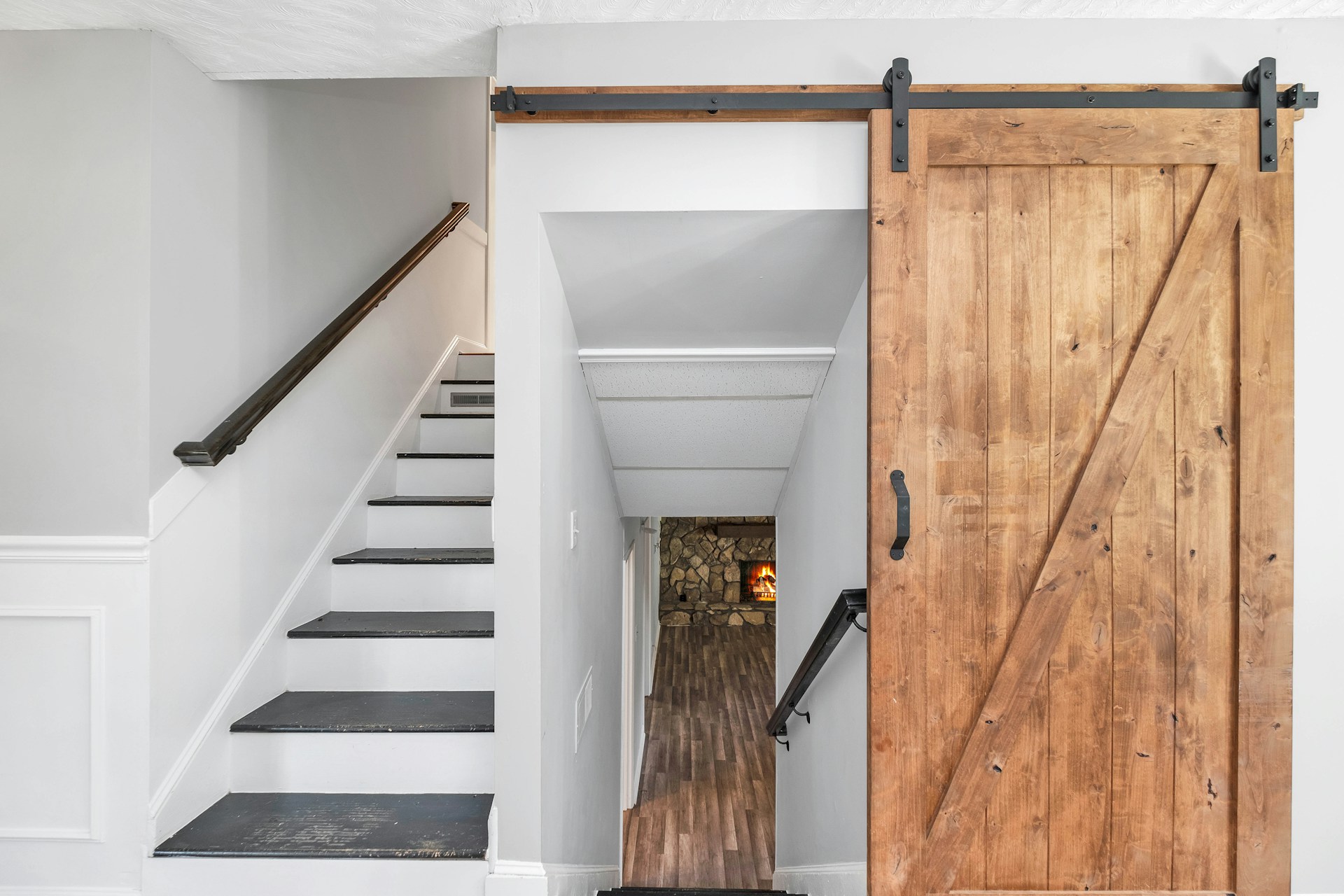
Visual Privacy Considerations
While that may be a wonderful look, sliding barn doors can also lead to worries regarding visual privacy. These doors may hang slightly away from the wall, leaving small gaps. These areas, however, can give sight lines to adjacent rooms. Standard swing doors, however, close more tightly within the frame, leaving less room for you to see.
With sliding doors, though, they can leave a narrow gap down the side. That quality is why they are not as effective at blocking sightlines as traditional choices. Homeowners exploring sliding barn door NZ often discover how these designs balance rustic charm with practical considerations like privacy and sound control.
Sound Control and Noise Reduction
Another important point regarding this type of door is acoustic separation. Here are some characteristics of sliding barn doors that may concern you. Sliding barn doors usually do not make a tight seal against the adjacent wall or frame. This breaks the seal, allowing sound to travel more between spaces. This, in turn, allows voices, music, and other noises to travel more easily. On the other hand, swing doors that are solid-core generally offer better soundproofing.
Material Choices and Their Impact
The kind of materials used in sliding barn doors affects the privacy and sound level. In general, solid wood panels will outperform hollow or lightweight ones. Heavy doors are generally better sound absorbers. Glass or metal doors let in more sound and light, affecting protection and acoustics. For anyone considering quiet and solitude, the surface selection becomes important.
Door Mounting and Installation Factors
Mounting relates to how your sliding barn door is hung and how much privacy you need. The quality of installation determines the number of gaps visible between the wall and the door. Wider panels or offering side trims would help cut down those openings. Careful setup equals better coverage and more comfort. High-quality hardware also makes sure the door opens easily, all while sealing as tightly as it can to the side wall.
Compared to Traditional Doors
When it comes to providing privacy and controlling sound, swinging doors and pocket doors often outperform sliding barn doors. On the other hand, hinged doors usually shut snugly within a frame, allowing little to no room for sound or visual interference. You can also choose pocket doors, which slide into a space in the wall and can provide a higher degree of privacy. While sliding barn doors are stylish to look at, they are not likely to perform as well at blocking sight and sound as these options.
Room Suitability and Appropriate Placement
So, when do sliding barn doors work best in a house? Bedrooms and bathrooms typically require a higher level of privacy and reduced sound. In such regions, a conventional door might, however, be ideal. Sliding barn doors tend to work particularly well for closets, pantries, or laundry rooms that don't need as much privacy. Choosing the perfect location boosts comfort and accommodates the needs of those living in the house.
Enhancing Privacy and Acoustics
Fortunately, there are several different options you have when it comes to closing barn doors better and improving their sound and privacy. You can use weather stripping or a seal on the edges to cover any cracks and minimise sound travel. A tight-fitting floor guide doesn't just keep the doors in place; it also minimises light and sound leakage. Their performance is enhanced by using thicker panels, layered finishes, or acoustic treatments.
Design Choices and Their Effects
If the design of the door isn't up to scratch, it won't do its job. Doors that overlap the frame on all four sides provide better protection. When no glass inserts are used, or the slats are open, designs also increase privacy and sound reduction. For these reasons, solid, simple styles usually trump complex decorative ones. With gentle attention turned towards form and function, the finished piece will be enjoyed as much through visualisation as through practical use.
Conclusion
Barn doors are stylish and space-saving but may not always be perfect for privacy or noise deadening. Careful material selection, precise installation, and clever design can enhance their performance. These considerations can help homeowners enjoy the beauty of barn doors while addressing needs for comfort and quiet. You can always end up making the right choices and getting a pleasing result for any sort of indoor space.