Why Door Alignment Problems Often Lead to Bigger Home Repairs
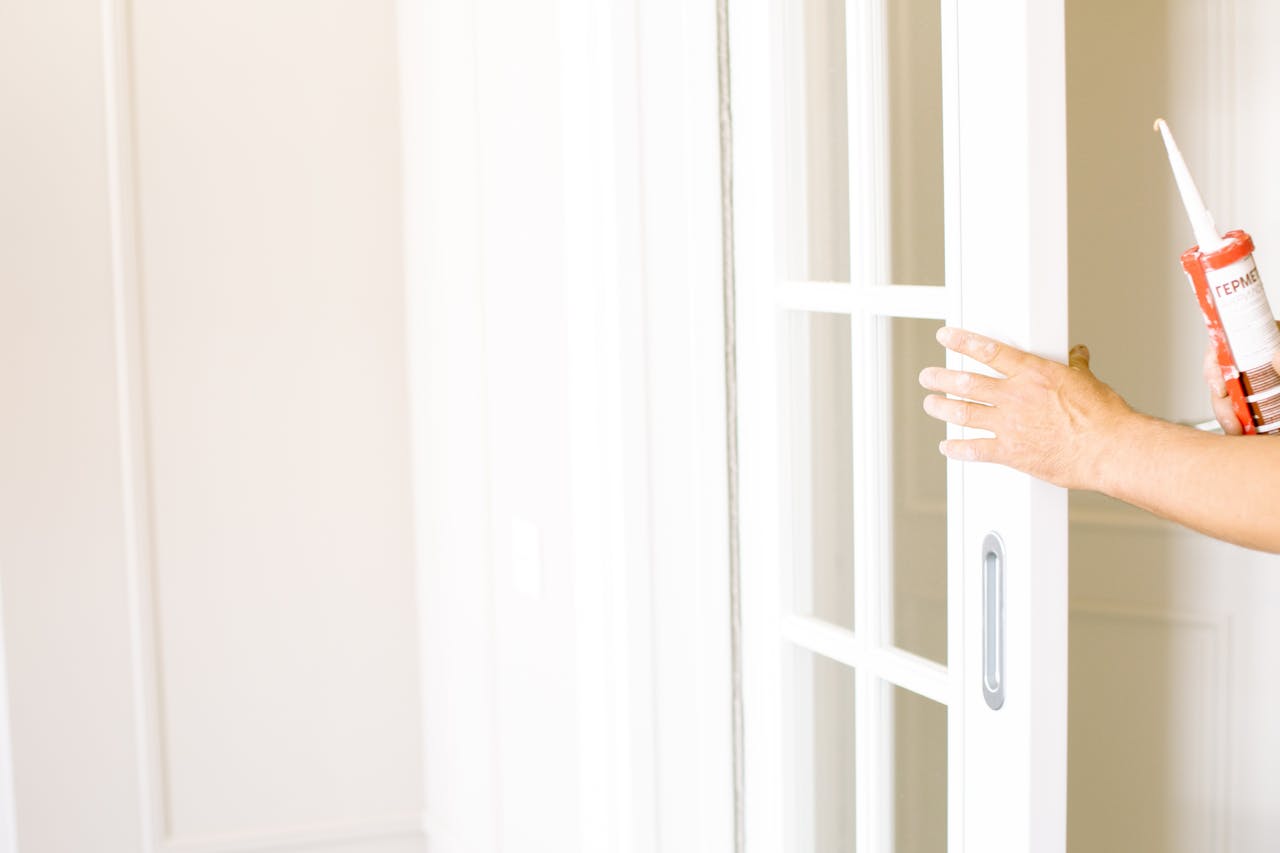
Many homeowners ignore small door problems for months or even years. A door that sticks slightly during humid weather or requires extra force to close rarely feels urgent. In reality, door alignment issues are often one of the earliest visible signs that something inside the home is beginning to shift, settle, or deteriorate.
Professional handyman specialists frequently explain that interior and exterior doors can reveal hidden structural, moisture, or framing problems long before major damage becomes obvious. What seems like a simple inconvenience may eventually lead to damaged flooring, cracked drywall, broken trim, or even compromised door security.
Understanding why door alignment changes happen — and when they should be inspected — can help homeowners prevent much larger repair expenses later.
Why Doors Lose Alignment Over Time
Doors depend on precise spacing between the frame, hinges, latch, and flooring. Even small changes in wall movement or humidity can affect how smoothly a door operates.
Several common conditions contribute to alignment problems:
-
Seasonal humidity changes
-
House settling
-
Loose hinge fasteners
-
Improper original installation
-
Moisture damage inside walls
-
Expansion of wooden framing materials
Older homes are especially vulnerable because framing materials naturally shift over time. Even modern properties can develop alignment problems when moisture accumulates around windows, roofs, or plumbing systems.
Experienced home repair handyman professionals often inspect surrounding structures before adjusting the door itself. In many cases, the door is only reacting to deeper issues inside the wall or floor system.
Interior Doors Can Reveal Hidden Moisture Problems
One overlooked warning sign is sudden door resistance near bathrooms, laundry rooms, or kitchens. Excess humidity or slow leaks behind walls may cause wooden framing to expand gradually, pushing the door frame slightly out of square.
Homeowners sometimes sand the edge of the door to solve sticking temporarily, but this approach rarely addresses the actual cause. If moisture continues spreading behind the wall, the problem usually returns within months.
Professional technicians frequently check for:
-
Soft drywall near frames
-
Small floor elevation changes
-
Trim separation around doors
-
Musty odors near hinges
-
Hairline cracks above door corners
These subtle indicators often appear before major water damage becomes visible.
Exterior Door Problems Can Affect Security and Energy Efficiency
Front and back doors require accurate alignment not only for smooth operation but also for insulation and security. A slightly uneven gap around the frame can allow air drafts, moisture intrusion, and increased energy loss throughout the year.
Misaligned exterior doors may also prevent deadbolts from engaging fully. Many homeowners assume the lock itself is defective when the real issue is movement in the frame or foundation.
Specialists providing emergency handyman assistance are often called after doors suddenly stop locking correctly during seasonal weather shifts. In colder climates especially, repeated freezing and expansion cycles can gradually distort frames and hardware connections.
Over time, poor sealing around exterior doors may contribute to:
-
Higher utility bills
-
Water intrusion near thresholds
-
Mold growth around trim
-
Premature flooring damage
-
Rusted hardware components
Why Professional Repairs Matter More Than Temporary Fixes
DIY door adjustments sometimes improve operation temporarily, but recurring alignment problems usually indicate that additional inspection is needed.
Experienced technicians evaluate more than hinges and handles. They typically inspect:
-
Frame stability
-
Floor leveling
-
Moisture exposure
-
Structural movement
-
Hardware wear
-
Wall condition around the opening
Many homeowners researching long-term property maintenance eventually come across resources like https://ironhandmlt.com while looking into practical repair solutions for recurring structural and door-related issues.
A professional repair may involve reinforcing framing, correcting moisture exposure, replacing damaged trim, adjusting thresholds, or stabilizing hardware instead of simply trimming the door panel itself.
Preventative Maintenance Helps Avoid Expensive Repairs
Door alignment problems rarely improve without intervention. Minor sticking eventually places additional stress on hinges, handles, and locking systems. Over time, repeated force can crack trim, loosen screws, or damage surrounding drywall.
Several preventative steps can help reduce long-term problems:
-
Tighten loose hinges regularly
-
Watch for new wall cracks near doors
-
Monitor humidity levels indoors
-
Inspect thresholds for water intrusion
-
Address plumbing leaks quickly
-
Avoid slamming misaligned doors repeatedly
Routine inspections become especially important in older homes where structural settling and material fatigue are more common.
Final Thoughts
Doors are often treated as isolated cosmetic issues, but they frequently reveal deeper problems developing inside a home. Changes in alignment may indicate moisture exposure, structural shifting, worn framing, or hidden deterioration that continues progressing over time.
Addressing these warning signs early can help homeowners avoid more serious repairs involving flooring, drywall, insulation, or exterior framing. In many situations, a proper inspection costs far less than waiting until visible structural damage appears.
For homeowners trying to maintain long-term property condition, paying attention to small operational changes — even something as simple as a sticking door — can prevent much larger repair problems later.