A Guide to Choosing Steel for Outdoor Railings & Guardrails
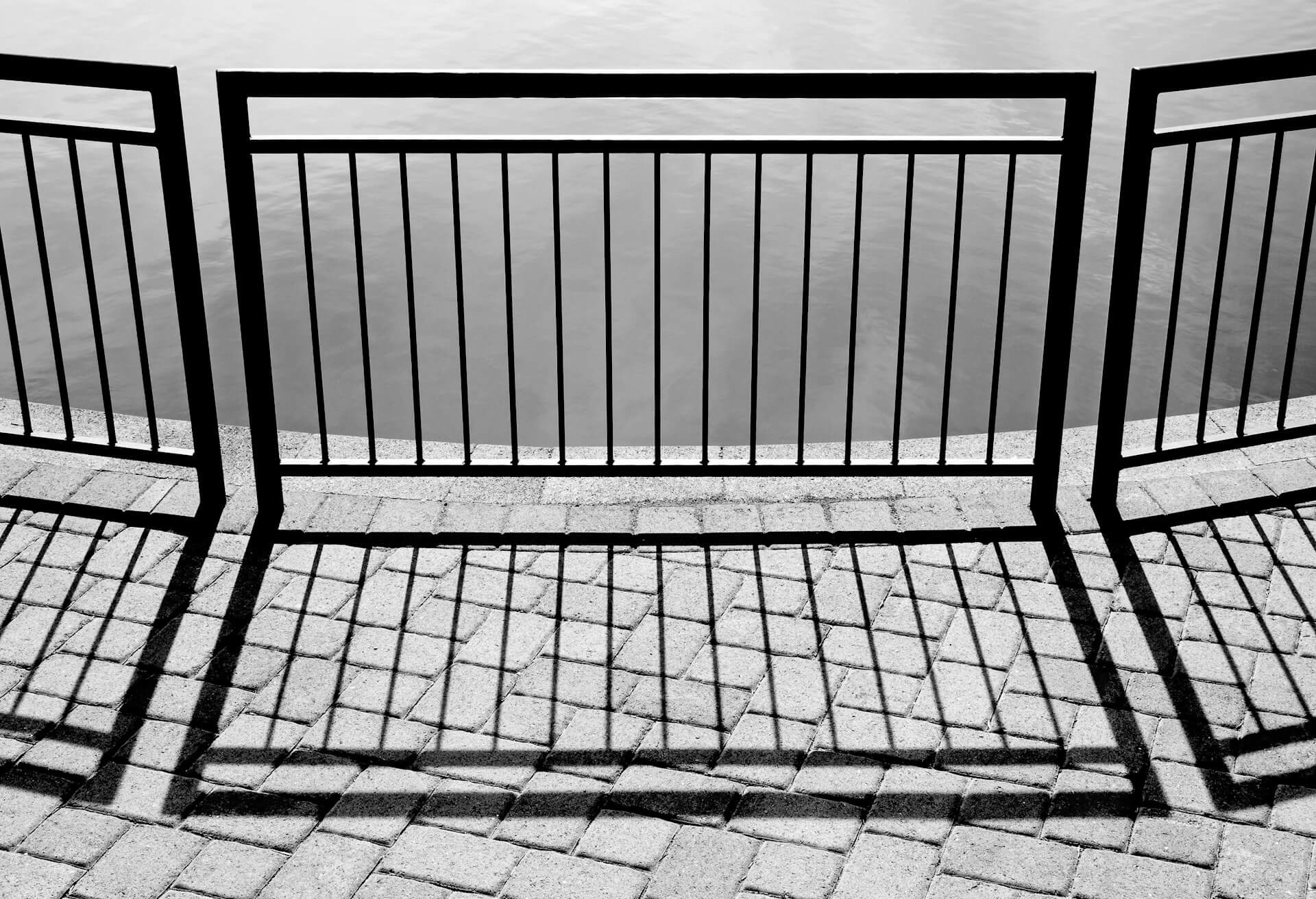
Outdoor railings and guardrails do a simple job that carries a lot of responsibility. They protect people from drops, separate pedestrians from traffic, mark boundaries and provide support in busy public spaces. Because they live outside all year round, they also need to withstand rain, frost, heat, pollution and, in many parts of the UK, salty coastal air. That makes material choice one of the most important early decisions in any railing or guardrail project.
Steel remains the most common option for outdoor barriers because it offers strength, flexibility in design and excellent value. But "steel" covers a wide range of products and finishes. Choosing the right one is about matching strength, corrosion resistance, appearance and budget to the environment you are installing in. This guide walks through the key steel choices and how to pick the right one for your project.
Start with the environment and use case
Before you think about grades or finishes, be clear on where the railing will sit and what it needs to handle.
If the barrier is purely for pedestrian support, such as a handrail along a path, the main concerns are durability and corrosion resistance. If the barrier is there to stop vehicles encroaching onto walkways or to protect drop edges, impact resistance becomes far more important. Likewise, a coastal promenade needs different protection from corrosion than a sheltered courtyard.
A quick way to frame the decision is to ask:
-
Is this a decorative railing, a safety barrier or both?
-
How exposed is the site to weather or salt?
-
Will the railing face impacts from vehicles or equipment?
-
How much maintenance access will be realistic?
-
Does the finish need to match surrounding architecture?
Once you have those answers, the rest becomes much clearer.
Mild steel suits most projects when protected properly
Mild steel is still the workhorse of outdoor railing projects. It is strong, easy to fabricate and cost effective. Fabricators can cut, bend and weld it into almost any form, whether that is vertical picket railings, tubular guardrails or bespoke architectural designs.
A mild steel round bar is commonly used for outdoor railings because it delivers excellent load bearing strength while keeping the look clean and simple. Round bar also suits a wide range of detailing, from traditional spear top railings to modern horizontal infill designs.
The weakness of mild steel is corrosion. Left untreated outside, it will rust quickly. That does not mean it is unsuitable for outdoor use, it just means the finish is part of the material choice. In practice, mild steel railings should always be protected by one of the main corrosion control methods below.
Best for: most outdoor railings where the right protective finish is applied and long term value matters.
Galvanised steel is the safest bet for tough exposure
Hot dip galvanising is one of the most reliable ways to protect mild steel outdoors. The steel is dipped into molten zinc, forming a bonded coating around the entire surface. This protects the steel from moisture and oxygen, which are the drivers of rust.
Galvanised railings are ideal for highly exposed sites because the coating protects even internal corners and joints that paint can miss. Galvanising also performs well in the long term. Scratches or small chips tend to resist spreading corrosion because the zinc offers sacrificial protection.
A galvanised finish can be left as is, giving a matte silver grey industrial look, or powder coated afterwards for colour and extra durability. This is often called a duplex finish and is increasingly common in public realm projects.
Best for: railings in open, wet or high exposure environments, including coastal areas, parks and roadside barriers.
Powder coated steel works when appearance matters
Powder coating adds a coloured polymer layer to steel, baked on to form a tough finish. It is widely used because it combines good corrosion resistance with a clean, modern look. Powder coating also allows almost any colour choice, which makes it useful when railings need to match branding or architectural palettes.
Powder coating works well on mild steel, but it performs best on steel that is galvanised first. If applied directly to untreated mild steel, the coating can hide early corrosion until it starts bubbling through. With galvanising underneath, powder coating becomes a long life option that needs minimal upkeep.
Best for: public facing railings where colour, finish quality and long term durability matter.
Stainless steel pays off in premium or low maintenance sites
Stainless steel is the premium outdoor choice. Its built in chromium content forms a passive protective layer that resists rust without coating. That makes it ideal where maintenance is difficult or where the railing is a visible architectural feature.
Stainless steel offers a bright, clean appearance that suits modern buildings, transport hubs and high end commercial sites. It also stands up well to long term weathering and does not need painting or recoating.
The trade off is cost. Stainless steel can be significantly more expensive than mild steel, and fabrication is slightly more specialised. Still, in locations where repainting or recoating would be disruptive or costly, stainless can pay for itself over time.
Best for: high visibility projects, coastal environments and sites where minimal maintenance is essential.
Choose the right grade, not just the right finish
If you are specifying mild steel for outdoor railings, a common structural grade in the UK is S275 or S355 depending on load requirements. The higher the number, the higher the yield strength, which matters for vehicle guardrails or heavy impact zones.
For stainless steel, the most common grades are 304 and 316. Grade 304 works for most outdoor settings, but grade 316 is better for marine or coastal areas because it handles chloride exposure far more effectively.
If you are not sure, a good rule is:
-
Use 304 for inland, urban or sheltered outdoor sites.
-
Use 316 for coastal, marine or chemically exposed sites.
Plan for maintenance like a real world constraint
Even the best material choice can fail if maintenance is ignored. Outdoor railings live a long time, often in places where maintenance budgets are low and access is awkward. That is why upfront finish choices matter so much.
If the railing is in a public park or on a roadway, will someone realistically repaint it every few years? If not, galvanising or duplex coating is the safer call. If it is in a prestige setting and needs a flawless look long term, stainless or high spec powder coating makes sense.
Plan for the environment you will actually have, not the one you wish you had.
A simple way to pick your steel
To bring it all together, here is a straightforward way to choose.
- Choose mild steel with galvanising if you need the best strength to cost ratio and long term outdoor durability.
- Choose galvanised plus powder coated steel if you want outdoor durability plus a clean coloured finish.
- Choose stainless steel if the site is highly corrosive, highly visible or maintenance needs to be near zero.
In many projects, mild steel is still the right answer, provided the protective finish is chosen correctly. It offers unbeatable flexibility and value, and when it is galvanised or duplex coated, it performs for decades outdoors.
The rail deal
Outdoor railings and guardrails are not the place for guesswork. The right steel choice protects people, preserves appearance and keeps long term costs under control. The good news is that steel gives you plenty of reliable options. Start with the environment, match the grade to the loads, and treat corrosion protection as part of the specification, not an afterthought. Do that and your railings will stay safe, solid and sharp looking for years.
Published 11/28/25