Buying or Building: Which Outdoor Storage Solution is Best for You?
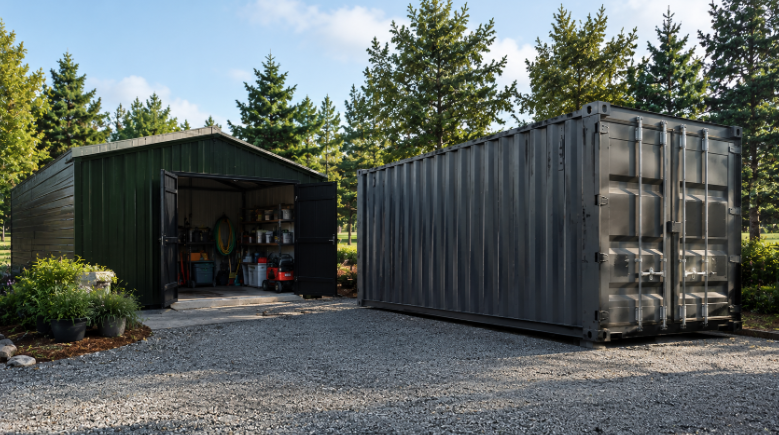
Choosing the right outdoor storage solution is an important decision for homeowners, businesses, and property managers. Whether you need space for tools, equipment, seasonal items, or inventory, the best option depends on your budget, available space, and long-term goals. Many people start with shipping containers for sale because they are a solid, turnkey solution that can be installed quickly, avoiding the long construction period of traditional structures.
Importance of Outdoor Storage
Outdoor storage keeps your valuables safe from weather, theft, and daily wear. A well-designed storage solution also helps to organize equipment, reduce clutter, and improve access. Not all properties have the same requirements, though. Some owners want a temporary solution that can be moved later, while others want a permanent structure that blends in with existing buildings.
Before you make your choice, think about some key things:
- The intended use of the storage space
- Local zoning regulations and availability of land
- Initial investment and long-term maintenance costs
- Security needs
- Flexibility and growth needs for the future
Knowing these points makes it easier to compare buying an existing storage option versus building a custom one.
Benefits of Purchasing a Pre-Built Storage Solution
The purchase of a ready-made storage option, especially shipping containers, has become increasingly popular for residential and commercial use.
Quick Start
One of the best benefits is speed. A storage container can typically be delivered and set up on your property within a few days. No long building schedule, great for when you need storage fast!
Great Durability
Shipping containers are built to withstand harsh ocean conditions while carrying heavy cargo. Their steel construction means they can withstand:
- Torrential rain
- Strong winds
- Snow and temperature variability
- Daily use and tear
They are very durable at this level and can be used across a wide range of climates with minimal adjustment.
Increased Security
Steel walls and reinforced locking mechanisms provide strong protection against theft and unauthorized access. Many owners increase security by adding lock boxes, alarms, or surveillance cameras.
Predictability of Cost
Usually, when you buy a container, it's just a matter of purchase price and delivery. There are many unexpected expenses in construction projects, such as labor shortages, material price increases, and project delays.
Mobility
The containers can often be moved to another part of the property or transported to a different location altogether if your storage needs change.
Why Build a Custom Storage Building?
Convenient to buy, but a custom storage facility has some advantages that might be better in some situations.
Total Design Freedom
Through custom construction, owners can design every aspect of the building, including:
- Design
- Height of ceiling
- Doorway placement
- Window positions
- Insulation for interior finishes
This flexibility is particularly advantageous when specialized equipment or unique storage requirements must be accommodated.
Improved Architectural Integration
Create a custom structure that matches the design, roofing materials, and exterior finishes of an existing home or commercial property. This will give the property a more cohesive look and boost its value.
More Spacious Interiors
Shipping containers are standard sizes, but custom buildings can be designed to fit pretty much any dimension. This makes them more suited to large workshops, garages, or agricultural storage facilities.
Utility Integration
Permanent buildings are usually more readily fitted with:
- Electrical wiring
- Plumbing
- Heating appliances
- Cooling systems
- Shelving and built-in climate control
These features can add significant comfort and functionality when the space is regularly used.
Cost Comparison
The budget is often the deciding factor.
Buying a shipping container typically has a lower upfront cost than constructing a new storage building. Construction project costs include foundations, framing, roofing, labor, permits, inspections, and finishing materials.
But the overall cost will be subject to a variety of variables:
- Size
- Site preparation
- Local wage rates
- Material cost and optional extras
For temporary or medium-term storage needs, purchase is often the more economical choice. For a very specialized, permanent facility, construction may have greater long-term value.
Maintenance Needs
Also, consider maintenance before making your final decision.
Shipping containers generally need:
- Occasional rust inspection
- Exterior painting as required
- Lubricating your door
- Cleaning roofs
Additional maintenance is often needed in traditional storage buildings:
- Roof repair
- Treatment of wood
- Replacing roof siding
- Pest inspections and foundation inspections
The actual maintenance schedule is a function of climate, materials, and quality of construction.
Environmental Issues
Sustainability is becoming an increasingly important consideration in construction decisions.
Reusing shipping containers extends the useful life of existing steel structures and reduces the need for new building materials. Many container owners also incorporate environmentally friendly upgrades, such as:
- Photovoltaic panels
- Rainwater harvesting systems
- Energy-saving insulation
- LED lights
Custom buildings can also be designed with sustainable materials and energy-efficient systems, but they generally require more raw materials during construction.
Additional resources on sustainable building practices can be found on the websites of organizations such as the U.S. Environmental Protection Agency (EPA) and the U.S. Department of Energy.
Things to Consider Before Choosing
Before choosing the best outdoor storage option, ask yourself these questions:
- How long do I need the storage for?
- Will my storage needs increase in the future?
- Do you need electric or plumbing?
- Does mobility matter?
- What's the total budget I have?
- Are there any local building codes or permits?
- How important is the appearance of the building?
Asking these questions helps you narrow your choices and avoid unexpected costs in the future.
Which One Is Best?
There is no single answer that fits all, as each property owner has different priorities.
If you need a cheap, fast, and portable storage solution that is also reasonably secure, the best bet is often to buy a ready-made one. This is perfect for storing equipment, business inventory, construction materials, or seasonal items around the house.
Building a custom structure may be a better investment if you are looking for a permanent structure, special interior layouts, sleek architectural integration, or extensive utility installation.
Ultimately, it's a matter of weighing immediate needs against plans. By thoughtfully evaluating the costs, maintenance needs, flexibility, and intended use, you can feel confident that the outdoor storage solution you invest in will serve you well for many years to come. If you want to go beyond using container construction for storage, check out the guide 4-Bedroom Container Home Designs: Layouts, Costs & Inspiration for ideas on larger residential builds. A little planning and smart choices can help you find an option that delivers long-term value, convenience, and peace of mind.