How to Lease Your First Boston Retail Space
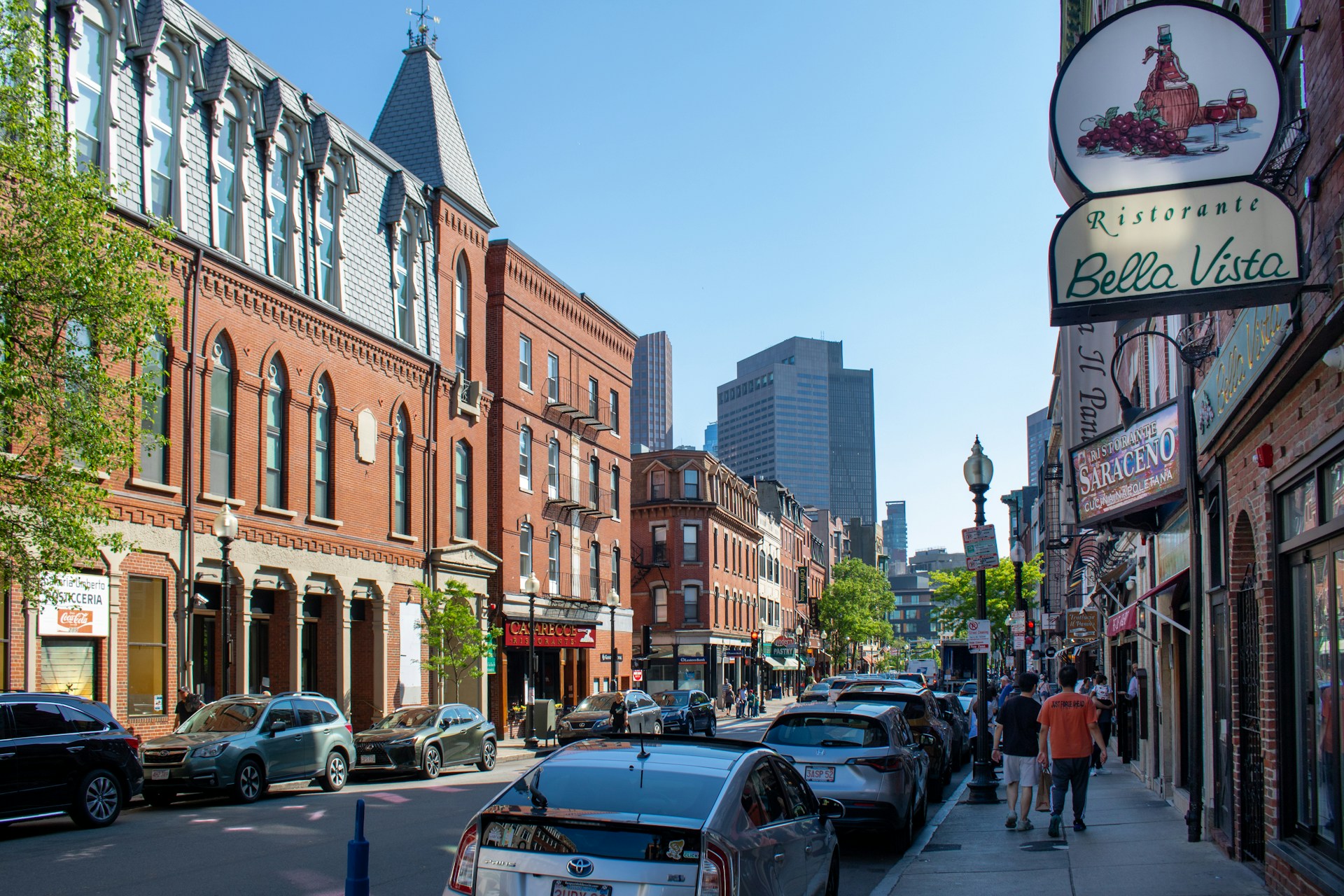
Have you ever spotted a thriving shop in Boston and thought, How did they manage to land a space like that? The truth is that successful first-time tenants don't just get lucky. They understand the leasing process long before they pick up the keys.
If you're preparing to open your own storefront, you're in the right place. This guide walks you through choosing a location, planning your buildout, and decoding lease terms so you can move forward with confidence and avoid the missteps that slow new businesses down.
Choosing a Boston Space That Works
Finding your first storefront is exciting, but the wrong location can slow your launch. Boston has tight zoning rules, and each neighborhood has unique foot traffic patterns that directly affect your daily sales. It helps to look beyond a space's aesthetics and focus on whether the site actually supports your long-term plans.
What to Look For When Touring Spaces
When you're exploring different options, keep a few essentials in mind. These points can shape your opening budget and your customer experience.
- Nearby transit access
- Consistent foot traffic
- A layout that won't require heavy structural changes
Budgeting for Your Buildout
Opening a retail or café space usually requires some level of renovation. Even small adjustments like plumbing changes or minor kitchen upgrades can stretch your budget. It's important to review the landlord's tenant improvement allowance so you know whether your buildout plans align with what they're willing to contribute.
Your timeline also depends on how quickly contractors can start work and how long reviews take. The process moves more smoothly when you gather bids early and map out each phase so you aren't rushed when permits or inspections come up.
Lease Terms You Should Understand
Once you find a space you like, the Letter of Intent becomes a key milestone. It outlines the rent, basic rules, and early commitments for both sides.
Many first-time tenants bring in commercial real estate contract law experts at this stage to help translate the language and identify provisions that may affect how they operate. This support helps you protect your interests before the lease becomes final.
Clauses That Can Affect Your Business
Several parts of a lease can change your day-to-day operations. Understanding them helps you avoid issues down the road.
- Use restrictions that specify what you can sell
- Exclusive rights that prevent direct competitors in the same center
- Personal guarantees that link your own finances to the lease
Permits, Insurance, and Your Opening Day
Even after the excitement of signing your lease, the real countdown to opening day has just begun. Boston requires a mix of permits based on your business type, and each one comes with its own review timeline. Inspections can pop up throughout the process, so staying organized makes a big difference.
Landlords also want updated insurance certificates before any buildout work begins, which can slow things down if you're not prepared. Lining up these requirements early keeps your schedule on track and helps you open your doors without last-minute surprises.
Getting Ready to Start Your Lease Journey
Leasing your first Boston retail space becomes much easier once you understand how location choices, buildout planning, and key lease terms all fit together. With that clarity, each step feels more manageable and far less overwhelming.
As you continue your search and work through the process, keep using what you've learned here to stay organized and confident. A solid plan helps you move toward opening day with fewer surprises and a clearer path forward.