How Robot Vacuum Cleaners Are Changing Home Cleaning
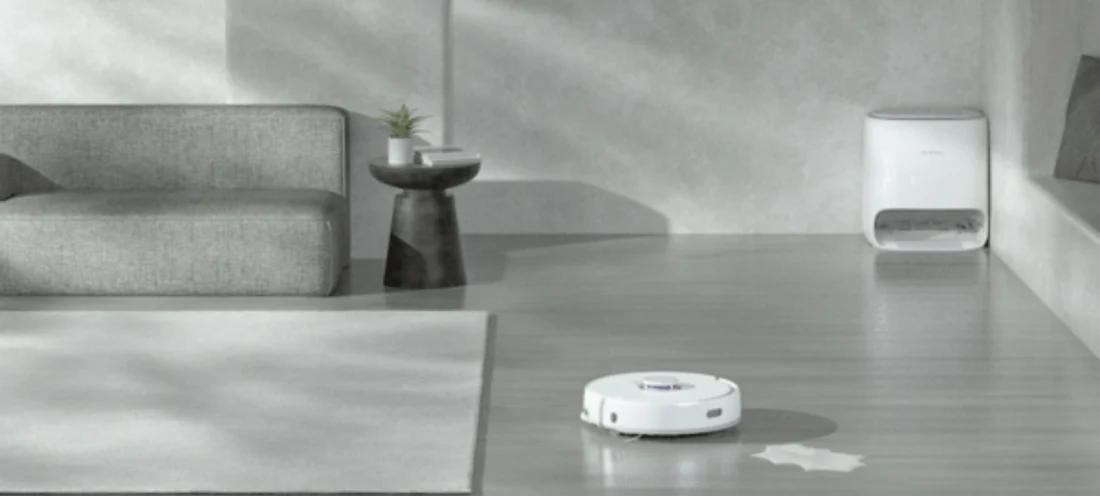
Smart technology has changed the way people manage their homes, and one of the most useful innovations is the rise of robot vacuum cleaners. These intelligent cleaning machines are designed to make household maintenance easier by handling daily floor cleaning automatically. From busy professionals to large families and pet owners, more people are choosing robotic cleaning devices for convenience and efficiency.
Unlike traditional vacuum machines, robot vacuum cleaners operate with minimal human involvement. They move around rooms independently using advanced sensors, cameras, and mapping systems. These devices can detect obstacles, avoid stairs, and return to their charging stations once cleaning is complete. Many modern models also support mobile apps and voice assistants, allowing users to control cleaning schedules remotely.
How Robot Vacuum Cleaners Operate?
Modern robot vacuum cleaners use advanced navigation systems to clean homes effectively. Older robotic vacuums often moved randomly, but today's models create detailed digital maps of rooms to improve cleaning accuracy. Technologies such as laser mapping, AI navigation, and smart sensors help the devices move efficiently while avoiding furniture and obstacles.
Many robotic vacuums can identify different floor types and automatically adjust suction power. Carpets may require stronger suction, while hard floors need a gentler cleaning mode. This smart adjustment improves cleaning performance and saves battery power at the same time.
Some high-end robot vacuum cleaners also include self-emptying systems. After cleaning, the robot automatically transfers collected dust into a larger storage bin at the charging dock. This reduces the need for frequent manual emptying and makes maintenance much easier for homeowners.
Why Robot Vacuum Cleaners Are Growing in Popularity?
One major reason for the popularity of robot vacuum cleaners is convenience. People no longer need to spend long hours vacuuming floors manually. Instead, robotic vacuums can clean homes automatically while owners focus on work, relaxation, or other responsibilities.
These devices are especially effective for maintaining everyday cleanliness. Dust, crumbs, and pet hair are removed regularly before they accumulate. As a result, homes stay cleaner with less effort. Many robot vacuums also include advanced filtration systems that help reduce allergens and improve indoor air quality.
Homes with pets benefit greatly from robotic cleaning systems. Pet hair can quickly collect on carpets and furniture, but robot vacuums are designed to handle this problem efficiently. Anti-tangle brush systems and powerful suction help collect hair without clogging the machine.
Another growing trend is the combination of vacuuming and mopping in a single device. Many robot vacuum cleaners can now handle both dry debris and wet cleaning tasks, making them more versatile for modern households.
Advanced Features in Modern Robot Vacuum Cleaners
Technology continues to improve in the robotic cleaning industry. Today's robot vacuum cleaners include features that provide smarter and more efficient cleaning experiences.
Artificial intelligence has become one of the most important innovations. Some robotic vacuums can recognize heavily dirty areas and automatically increase cleaning intensity. Others can detect objects such as cables, shoes, or pet bowls and avoid them during operation.
Edge-cleaning technology is another useful advancement. Earlier robotic vacuums often struggled to clean corners and wall edges properly. Modern models now use specialized side brushes and improved airflow systems to clean difficult areas more effectively.
Battery performance has also improved significantly. Many robot vacuum cleaners can now clean for extended periods before needing a recharge. Certain models automatically return to their charging stations and then continue cleaning once the battery is restored.
Smartphone connectivity has become a standard feature in many premium robotic vacuums. Users can create cleaning schedules, define restricted areas, monitor cleaning progress, and customize settings through mobile applications.
Innovation in the Robot Vacuum Industry
The robot vacuum industry continues to develop rapidly as manufacturers compete to create smarter and more powerful cleaning solutions. New models are focusing on stronger suction, improved navigation, and greater automation.
Some advanced robotic vacuums now use cameras and AI technology to recognize stains and dirt levels on floors. The machine can then apply additional cleaning passes to heavily soiled areas automatically. This allows for deeper and more efficient cleaning without user involvement.
Modern robotic cleaning devices are also becoming more compact and flexible. Slim designs help the vacuum clean under furniture, beds, and tight spaces that are difficult to reach with traditional vacuum cleaners.
Noise reduction technology is another area of improvement. Many modern robot vacuum cleaners operate quietly, making them suitable for use during work hours, nighttime, or while family members are relaxing at home.
As smart home systems become more common, robot vacuum cleaners are increasingly integrated with voice assistants and connected home ecosystems. Users can start or stop cleaning sessions using simple voice commands, making household cleaning even more convenient.
Important Factors to Consider Before Buying
Choosing the right robot vacuum cleaner depends on several important factors. Home size, flooring type, furniture layout, and lifestyle all influence which model will work best.
For homes with carpets, strong suction power is essential for effective dirt removal. Hard-floor homes may benefit more from robotic vacuums with mopping functions. Battery life is another important feature, especially for larger spaces where longer cleaning sessions are required.
Navigation quality should also be considered carefully. Robot vacuum cleaners with advanced mapping systems generally clean more efficiently and avoid obstacles more successfully than basic models.
Maintenance requirements are another important factor. Some robotic vacuums require regular brush cleaning and dustbin emptying, while premium models offer self-cleaning and self-emptying capabilities that reduce manual effort.
Budget also plays a major role in the buying decision. Entry-level robot vacuum cleaners provide basic automatic cleaning, while premium models include advanced AI features, stronger suction, improved navigation, and smart home integration.
The Future of Robot Vacuum Cleaners
The future of robot vacuum cleaners appears extremely promising as technology continues to advance. Artificial intelligence, machine learning, and smart automation are expected to make robotic cleaning systems even more intelligent and efficient.
Future robotic vacuums may include enhanced object recognition, improved room adaptation, and more advanced cleaning capabilities. Some companies are already developing systems that can handle more complex household tasks beyond simple floor cleaning.
As prices become more affordable and technology improves, robot vacuum cleaners are expected to become a standard household appliance in homes around the world. Their ability to save time, reduce manual effort, and maintain cleaner living spaces makes them an increasingly valuable part of modern home life.
Robot vacuum cleaners are no longer considered luxury gadgets. They have evolved into practical cleaning tools that provide convenience, smart functionality, and reliable performance for everyday households.