The Apartment Is Empty. That Does Not Mean It Is Clean.
A lot of move-in disappointment shows up only after you get the keys.
The old tenant is gone, the rooms echo a little, and the apartment can pass for clean until you start opening things. The refrigerator, the bathroom drawers, the window tracks, the vents, even the carpet under your socks all tell a different story. The place is not always filthy in an obvious way. It just still has someone else in it.
That is the trick empty rentals pull. Bare does not mean clean.
What most landlords call turnover cleaning is usually a handoff clean, not a real reset. Trash is out, the visible stuff is handled, and the unit is presentable for showings and keys. That is a different job from going after what the last tenant left behind over months or years of ordinary living.
If you get even one day between key pickup and furniture arrival, use it. Once the boxes come in, the same work gets slower and a lot more annoying.
What you actually inherit
Most renters do not inherit one giant mess. They inherit a collection of overlooked surfaces.
Inside cabinets, there is often a dry film of dust and crumbs tucked into the back corners. Drawer bottoms can have that faint gritty feel that only shows up when you run your hand over them. Window tracks collect dead bugs and blackened dust. Vent covers keep feeding lint back into the room.
The kitchen usually carries the most history. Residue survives under refrigerator shelves and in crisper channels. Range hoods hold grease. The narrow strip beside the stove collects what nobody wants to fish out. Behind the refrigerator there may be a line of dust and hair nobody bothered to reach. Bathrooms do the same thing more quietly, soap in the grout lines, yellowed caulk around the tub, dust sitting on the fan cover.
That usually does not mean your landlord is trying to fool you. It means the cleaner had a different assignment.
Carpet keeps the most history
Most renters feel the carpet first, even when they cannot explain why.
You did not pick it, and it is still the surface holding the most from the person before you, tracked-in soil, food, pet traffic, spilled drinks, body oil, dust from the street, whatever sank down into the base of the pile over time. A quick vacuum helps with the top layer and not much below it.
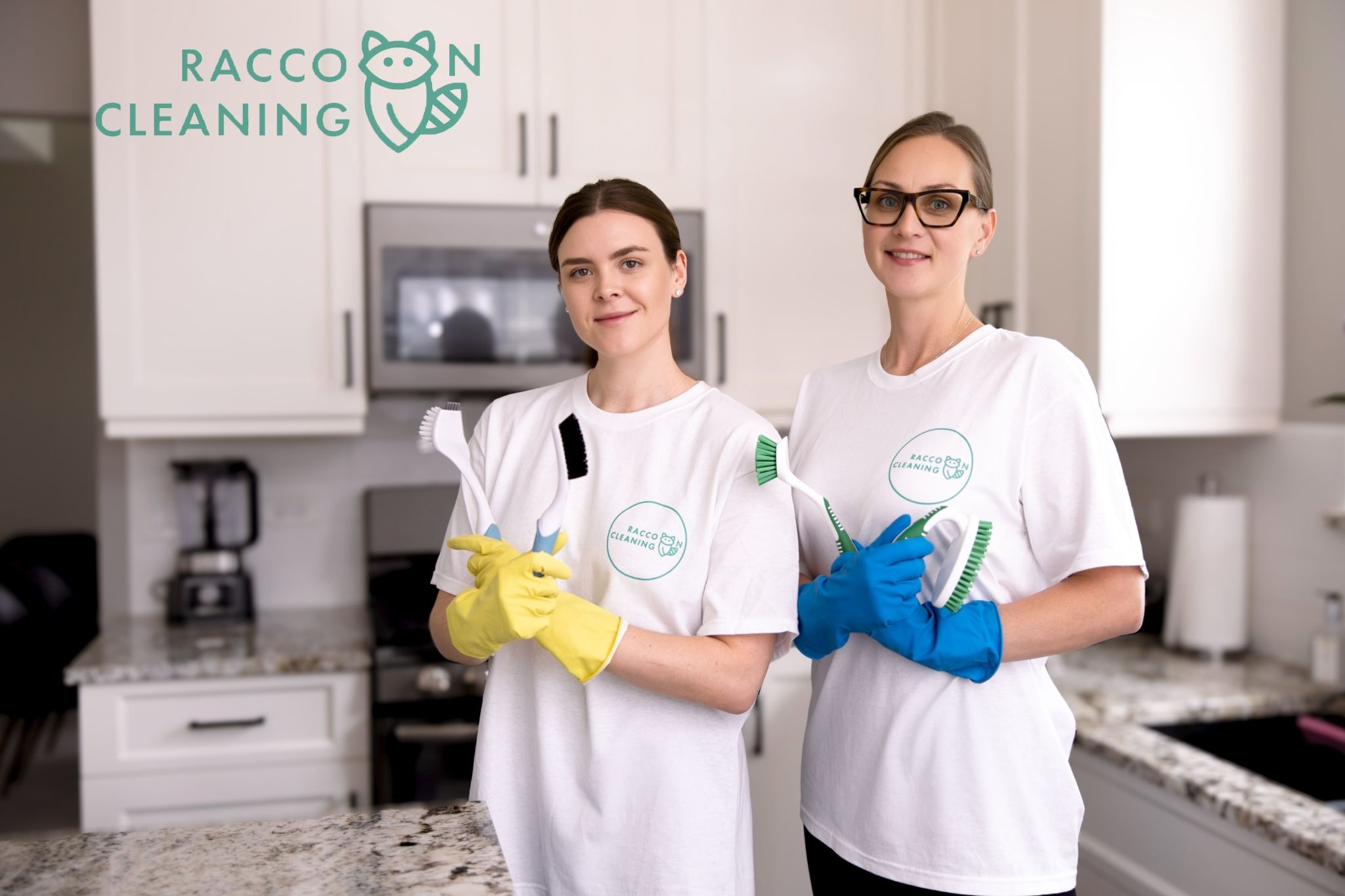
That is why extraction comes up so often in real move-in prep. Teams like Raccoon Cleaning Services see this constantly in the work they do around the Chicago suburbs. Renters walk into an empty unit, assume the flooring has already been handled, and then figure out pretty quickly that surface cleaning and deep carpet work are not the same thing.
A proper carpet cleaning pass is not about making the room look nicer for an hour. It is about pulling out what a vacuum leaves sitting lower in the pile. If the carpet still has life, that can change the feel of the whole room.
Smell explains the part that does not make sense
A lot of renters do not say, “This apartment smells like the last tenant.” They just say it feels off.
That reaction is usually real. Smell does more than most people think. A room can look acceptable and still feel stale because the source is not on the obvious surfaces. It may be in the carpet backing. It may be in the vents. It may be in a closet that stayed shut through the last month of the previous tenancy.
That is why odor is a better clue than appearance in some rooms. If the bedroom carpet smells a little sour when the windows are closed, believe that. If the living room seems fine until the air kicks on, pay attention to that too. Those signals usually lead somewhere specific.
Some things are not yours to fix
New renters waste money trying to correct damage they did not cause. Some surfaces will clean up. Some will not. Crushed carpet pile may still look worn after real cleaning. Old stains in tile joints may never come all the way out. Scratches in the floor are not a mopping problem. Yellowed caulk is not always a sign you did not scrub hard enough.
When you hit that line, stop trying to rescue it and document it instead. Walk the apartment with your phone before the furniture arrives and photograph the carpet, the inside of the oven and refrigerator, the cabinets, the tub edge, the baseboards, the window tracks, and the floors near the walls. A year later, those photos are what separate “this was here when I arrived” from “you caused this.”
The best order is simple
Do not turn this into an all-day perfection project. Just do it in the order that saves trouble. Dry work first, shelves, drawers, vents, tracks. If the carpet needs real work, do that early because it needs time to dry. After that, handle the inside of cabinets and appliances, then the bathroom, then the hard floors last.
A basic house cleaning service can help with the mostly surface-labor parts, cabinet interiors, shelves, bathroom wipe-downs, appliance cleaning. Carpet and ventilation are different. That is where ordinary household tools stop being very useful.
What to do yourself, and what to hand off
You can absolutely handle part of this on your own in one evening. Wiping inside drawers, cleaning cabinet shelves, scrubbing the inside of the refrigerator, and doing the photo pass are all realistic jobs for a renter with a few supplies and some patience.
Where people usually hit a wall is with carpet odor, deep residue in the pile, and dust coming back through the vents. That is just where equipment starts to matter more than effort.
An empty apartment is a brief window. You can see everything, reach everything, and document everything before your own life covers it up. Once the couch is in and the boxes are stacked in the hall, the same job gets much more annoying.
So if the unit feels only “mostly fine” when you get the keys, trust that instinct. Empty is not the same as clean, and day one is the easiest day you will ever have to do something about it.