Don't Risk Fines: How to Get EPA Lead Paint Certified and Protect Your Crew Today
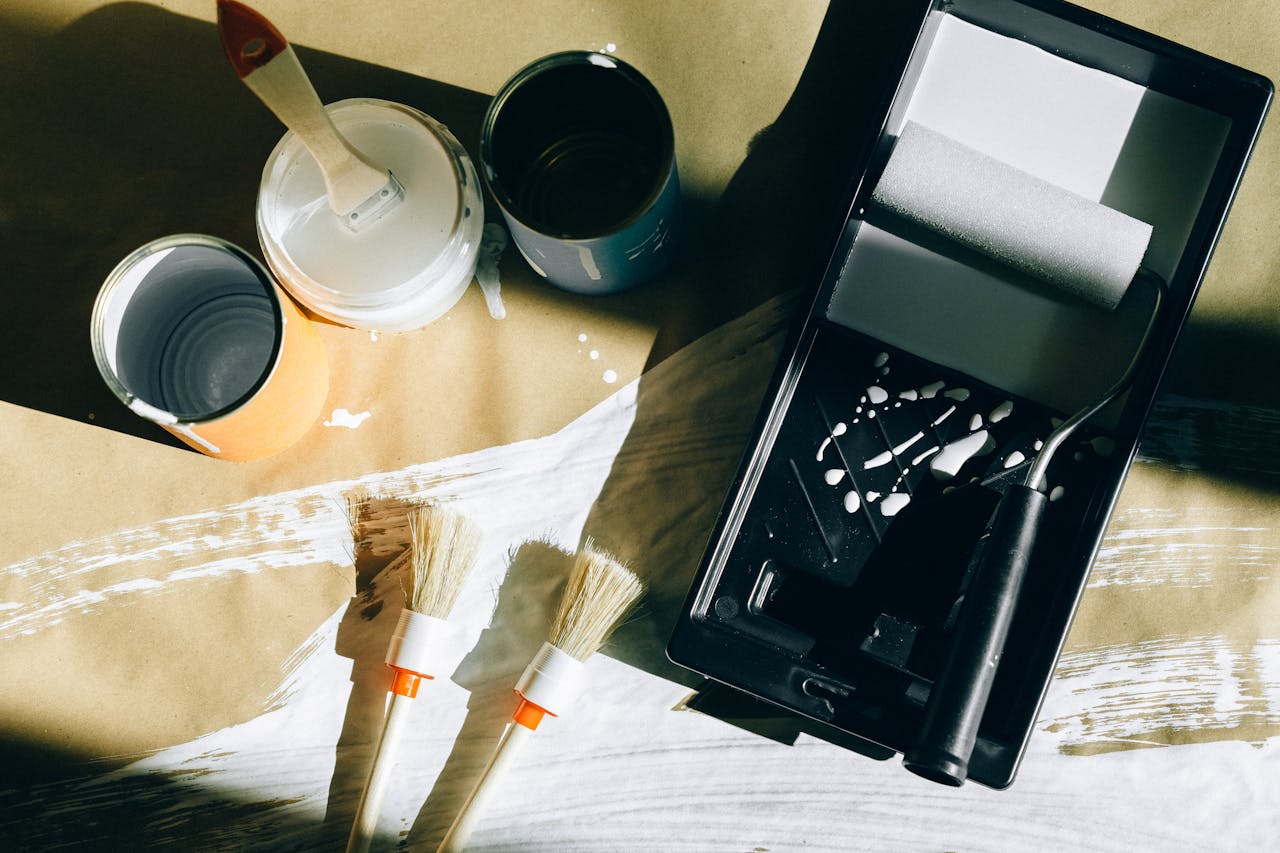
If you're working on homes or buildings built before 1978, EPA lead paint certification is not something you can afford to ignore. Lead-based paint is still present in millions of older properties, and disturbing it during renovations can release hazardous dust into the air. This puts not only your crew at risk but also the occupants of the property. The Environmental Protection Agency enforces strict guidelines under the Renovation, Repair, and Painting (RRP) Rule, making certification a legal requirement for contractors performing this type of work. Ignoring these rules can lead to heavy fines, project shutdowns, and long-term damage to your business reputation, which is why staying compliant is more important than ever.
Understanding the Dangers of Lead Exposure
Lead exposure is often overlooked because it isn't immediately visible, but the long-term health effects can be severe. When lead paint is sanded, cut, or demolished, it creates fine dust particles that can be inhaled or ingested. Over time, this can lead to serious health issues such as neurological damage, kidney problems, and developmental delays in children. For workers who are consistently exposed, the risks multiply. Without proper containment and cleanup procedures, even a small renovation job can contaminate an entire space. This is why proper training is essential. Certification ensures your crew understands how to safely handle lead-based materials and reduce the risk of exposure on every job site.
Steps to Get EPA Lead Paint Certified
Getting certified is a straightforward process that can be completed faster than most contractors expect. First, your business must apply for firm certification through the Environmental Protection Agency, which legally allows you to perform work involving lead-based paint. Next, at least one member of your team must complete an approved training course to become a certified renovator. This course covers critical areas such as identifying lead hazards, setting up containment barriers, and performing thorough cleanups. Once certified, that individual can guide and train other workers on-site, ensuring everyone follows proper procedures. Keeping your certification active by renewing it when required ensures your business remains compliant and ready for any inspection.
How Certification Protects Your Business and Crew
Becoming certified does more than just keep you compliant, it strengthens your business from the inside out. A trained crew is a safer crew, and fewer risks on the job site mean fewer liabilities for your company. Clients are also more likely to trust and hire contractors who can demonstrate compliance with federal safety standards. This gives you a competitive edge in a crowded market. In addition, avoiding fines and penalties protects your bottom line and keeps your projects running smoothly. Ultimately, investing in EPA lead paint certification is about building a safer, more professional, and more reliable business that stands out for all the right reasons.
In the end, staying compliant with lead safety regulations is one of the smartest decisions you can make for both your crew and your business. If you're ready to take the next step, check out Lead Classes to get certified quickly and confidently. By investing in proper training today, you're not only avoiding costly fines but also building a safer, more trusted operation that clients will continue to rely on.